


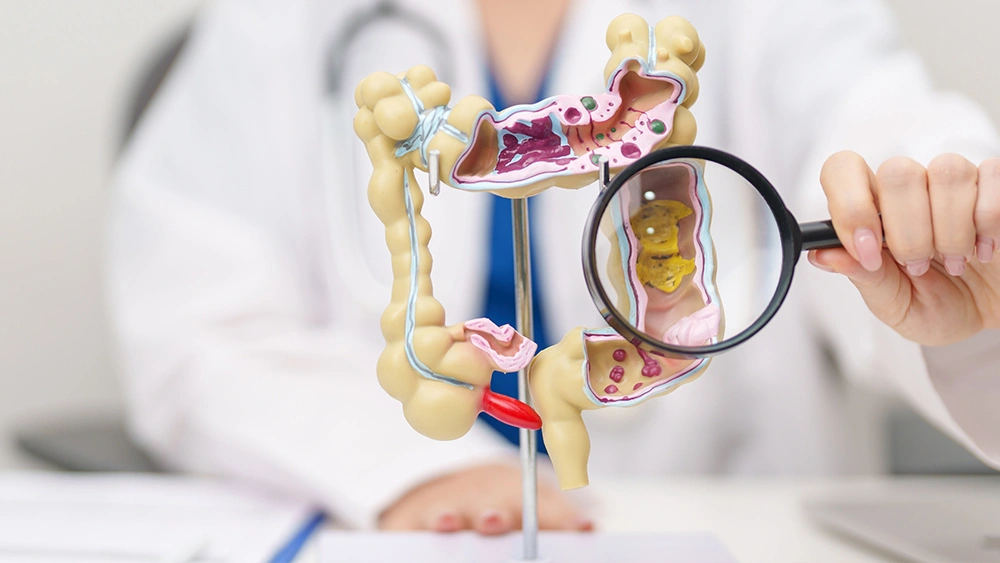
Gallbladder Surgery in Singapore
Dr Chong Chee Keong
Breast, Colorectal and General Surgeon
MBBS (Singapore), FRCS (Edinburgh), FRCS (Glasgow), FAMS (Singapore)
Specialist Accreditation in Intensive Care Medicine
Specialists Accreditation Board
Gallbladder conditions can cause abdominal pain, digestive symptoms and complications that interfere with daily life. When these problems become recurrent or more serious, gallbladder surgery may be recommended to provide lasting treatment.
What Is the Gallbladder & What Does It Do?
The gallbladder is a small, pear-shaped organ located beneath the liver. Its main function is to store and concentrate bile, a digestive fluid produced by the liver that helps the body break down fats.
When you eat, the gallbladder releases bile through the bile ducts into the small intestine to support digestion. While the gallbladder has a role in this process, it is not an essential organ and the body can continue to digest food without it if surgical removal is necessary.
What Are Some Reasons You May Need Gallbladder Surgery?
Gallbladder surgery is most commonly recommended when gallstones or other gallbladder conditions are causing symptoms or complications. Although gallstones are often the immediate cause of these problems, treatment usually involves removing the gallbladder rather than the stones alone. This is because gallstones can form again, potentially leading to repeated complications.
Your gallbladder specialist will commonly assess the following risks and determine whether gallbladder removal should be recommended:
Recurrent or Symptomatic Gallstones
If gallstones repeatedly cause abdominal pain, nausea or other symptoms, your specialist may recommend gallbladder removal to prevent further episodes and reduce the risk of complications.
Gallbladder Inflammation
Gallstones can block the opening of the gallbladder and cause inflammation, known as cholecystitis. If inflammation is severe or occurs repeatedly, gallbladder removal may be recommended to prevent further attacks and complications such as infection.
Gallstones in the Bile Duct
Gallstones can leave the gallbladder and become lodged in the bile duct, where they may obstruct the flow of bile and cause jaundice, infection or other complications. After the blockage is treated, gallbladder removal may be recommended to reduce the risk of further stones entering the bile duct.
Gallstone-Related Pancreatitis
If a gallstone blocks the opening shared by the bile and pancreatic ducts, it can trigger inflammation of the pancreas, known as pancreatitis. Once the acute episode has been managed, gallbladder removal may be recommended to reduce the risk of another gallstone causing pancreatitis.
Looking for specialist care for gallbladder conditions?
At Maven Surgery, Dr Chong Chee Keong provides comprehensive care for gallstones and gallbladder diseases, from accurate diagnosis and symptom assessment to surgical removal when necessary. Every treatment plan is tailored to your symptoms and individual health needs to prevent recurrent attacks and complications.
What Does Cholecystectomy (Gallbladder Surgery) Involve?
A cholecystectomy involves removing the entire gallbladder while preserving the main bile ducts that carry bile from the liver to the small intestine. The procedure is performed under general anaesthesia.
In most cases, the surgeon operates through several small incisions in the abdomen using a camera and specialised surgical instruments. The gallbladder is separated from the cystic duct, blood supply and liver before being removed through one of the incisions.
The exact technique can vary according to the surgical approach used.
Types of Gallbladder Surgery
Most gallbladder removals are performed using laparoscopic (keyhole) surgery. However, different approaches are available if required.
Laparoscopic Cholecystectomy
Laparoscopic cholecystectomy, also known as keyhole surgery, is the standard approach for most patients. Several small incisions are made in the abdomen, allowing the surgeon to insert a camera and surgical instruments to remove the gallbladder.
As the incisions are smaller than those used in open surgery, patients generally experience less post-operative pain and a faster recovery.
Open Cholecystectomy
Open cholecystectomy removes the gallbladder through a larger incision in the upper abdomen. It may be required when keyhole surgery cannot be performed safely, such as in cases involving severe inflammation or significant scar tissue.
Sometimes a procedure that begins laparoscopically may need to be converted to open surgery if the surgeon determines that continuing with keyhole surgery would not be safe.
Preparing for Gallbladder Surgery
Before gallbladder surgery, your surgeon will review your symptoms, medical history, current medications and previous test results. Additional blood tests or imaging may be arranged if needed to confirm the condition and plan the operation.
You will receive instructions on when to stop eating and drinking before surgery. Certain medications, particularly blood-thinning medicines, may also need to be temporarily adjusted. Your surgeon will advise you on these changes rather than having you stop any medication on your own.
As cholecystectomy is performed under general anaesthesia, you should also arrange for someone to accompany you home if you are discharged on the same day.
Recovery After Gallbladder Surgery
Recovery varies between laparoscopic and open surgery. After laparoscopic cholecystectomy, many patients can return home on the same day or after an overnight stay. Open surgery generally requires a longer hospital stay and recovery period.
Some abdominal soreness, bloating and discomfort around the incisions are expected during the early stages of recovery. Pain relief can be provided, and patients are usually encouraged to start walking soon after surgery to support circulation and recovery.
You can gradually return to your usual diet and daily activities as you recover. Strenuous exercise and heavy lifting should be avoided until your surgeon advises that it is safe. Follow-up appointments are used to check wound healing and address any symptoms or concerns after surgery.
Are There Risks to Gallbladder Surgery?
Gallbladder removal is a commonly performed procedure and most patients recover without significant complications. Before surgery, your surgical team will assess your overall health, test results and individual risk factors to plan the procedure safely and take appropriate precautions.
- Bleeding or infection: Bleeding can occur during or after surgery, while infection can develop around the surgical wounds.
- Bile leakage: Bile can occasionally leak from the ducts after the gallbladder has been removed and may require further treatment.
- Bile duct injury: There is a small risk of injury to the main bile ducts or nearby structures during surgery.
- Blood clots: As with other operations, blood clots can develop during recovery. Preventive measures such as early movement may be recommended to reduce this risk.
- Anaesthetic complications: General anaesthesia carries potential risks, which are assessed by the medical team before surgery.
Your surgical team will take steps throughout your care to minimise these risks, from careful pre-operative assessment and surgical planning to appropriate techniques during the procedure. After surgery, your recovery will be monitored and you will be advised on wound care, activity and symptoms that may require further attention.
Gallbladder Surgery and Specialist Care with Dr Chong Chee Keong
When gallstones cause repeated symptoms, inflammation or complications, removing the gallbladder may provide a more definitive solution and prevent further episodes. A surgical assessment can help determine whether cholecystectomy is appropriate for your condition.
At Maven Surgery, care is led by Dr Chong Chee Keong, a breast, colorectal and general surgeon with over 20 years of surgical experience. Dr Chong assesses patients with gallbladder conditions to determine whether surgery is necessary and the appropriate surgical approach. His care includes pre-operative assessment, gallbladder surgery and post-operative follow-up, with an emphasis on careful surgical planning and clear communication throughout treatment.
If you have recurrent gallstones, gallbladder inflammation or other complications and have been advised to consider surgery, arrange a consultation with Dr Chong to discuss your condition and treatment options.
Frequently Asked Questions (FAQs) About Gallbladder Surgery
Is gallbladder surgery necessary if my gallstones are not causing symptoms?
Will my diet need to change after gallbladder removal?
Is gallbladder surgery covered by MediSave or health insurance?
What are the risks of delaying or not undergoing gallbladder surgery?
Meet Our Colorectal Surgeon in Singapore
Dr Chong Chee Keong
Breast, Colorectal and General Surgeon
MBBS (Singapore), FRCS (Edinburgh), FRCS (Glasgow), FAMS (Singapore)
Specialist Accreditation in Intensive Care Medicine
Specialists Accreditation Board
Dr Chong Chee Keong is a general surgeon who has over 20 years of surgical experience, including the management of gallbladder conditions as part of his general-surgery practice. He provides surgical care for patients with symptomatic gallstones, gallbladder inflammation and related complications that may require gallbladder removal.
His approach combines careful surgical planning with clear communication, helping patients understand why surgery has been recommended and what to expect from treatment. Where gallbladder removal is required, Dr Chong considers the appropriate surgical approach based on each patient’s condition, with care extending through surgery and subsequent recovery.
“Your Partner in Every Step of Recovery and Beyond”
For appointments and enquiries, contact us via form below or call us at (+65) 6355 5285

Mount Elizabeth Novena Specialist Centre
38 Irrawaddy Road #06-33,Singapore 329563
Parkway East Medical Centre
319 Joo Chiat Place #02-05,Singapore 427989
Farrer Park Medical Centre
1 Farrer Park Station Rd #15-13,Singapore 217562
Tel : (+65) 6355 5285
Whatsapp : (+65) 6355 5285
Operating Hours: Monday to Friday: 9:00 AM to 5:00 PM Saturday: 9:00 AM to 1:00 PM Closed on Sundays and Public Holidays