

Colonic Polyps Treatment in Singapore
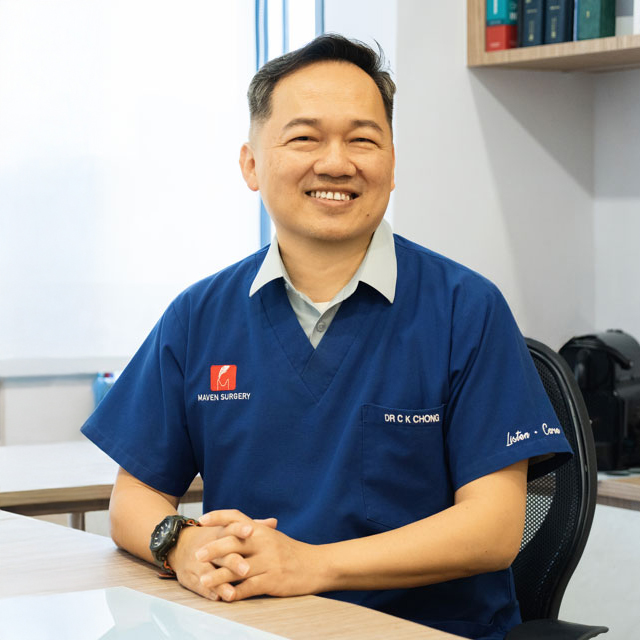
Dr Chong Chee Keong
Breast, Colorectal and General Surgeon
MBBS (Singapore), FRCS (Edinburgh), FRCS (Glasgow), FAMS (Singapore)
Specialist Accreditation in Intensive Care Medicine
Specialists Accreditation Board
Colonic polyps are commonly found during routine colorectal screening or investigations for bowel symptoms. Although many do not cause immediate discomfort, some may require treatment to prevent future complications. Understanding how they are assessed and managed can help you make informed decisions about your colorectal health.
What Are Colonic Polyps?
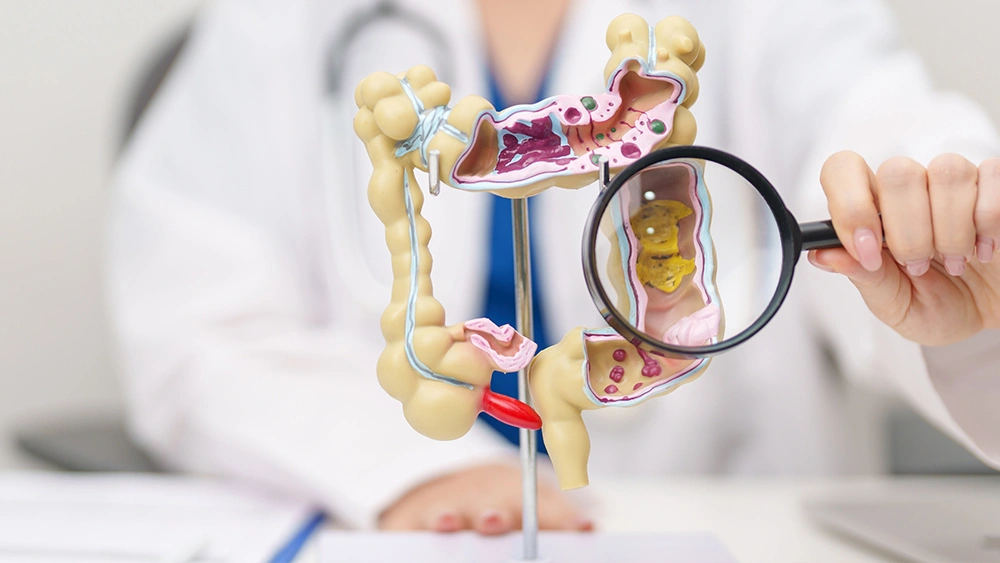
Colonic polyps are abnormal growths that develop on the inner lining of the large intestine (colon) or rectum. They are commonly referred to as colon polyps, colonic polyps or colorectal polyps, and these terms are generally used interchangeably.
Not all polyps become cancerous. Many remain benign throughout a person's lifetime, while others may gradually develop into colorectal cancer over several years. The likelihood of this occurring depends on factors such as the type, size and microscopic features of the polyp. Since it is not always possible to determine whether a polyp is harmless by appearance alone, polyps are usually removed once discovered, so they can be examined in a laboratory.
Common types of colonic polyps include:
- Adenomatous polyps (adenomas): These develop from the glandular cells lining the colon and are the most common type of pre-cancerous polyp. They have the greatest potential to develop into colorectal cancer if left untreated.
- Serrated polyps: These have a saw-toothed appearance under the microscope and are more commonly found in the upper part of the colon.
- Hyperplastic and inflammatory polyps: Inflammatory polyps develop as a result of long-term inflammation in the bowel and are commonly associated with inflammatory bowel disease rather than cancer. These are generally considered lower risk.
What Can Cause Colonic Polyps?
Although the exact cause of colonic polyps is not always known, they are thought to develop when changes occur in the cells lining the colon or rectum, causing them to grow abnormally. Certain factors are known to increase the risk of polyp development, including:
- Increasing age, particularly after the age of 45
- A personal or family history of colonic polyps or colorectal cancer
- Inherited conditions such as familial adenomatous polyposis (FAP) or Lynch syndrome
- Inflammatory bowel diseases, including ulcerative colitis and Crohn's disease affecting the colon
- Obesity, smoking and excessive alcohol consumption
- A diet high in processed or red meat and low in fibre
- Type 2 diabetes, particularly when poorly controlled
Although having one or more risk factors does not necessarily mean you will develop colonic polyps, regular colorectal screening is particularly important for individuals at higher risk. Detecting and removing polyps early can significantly reduce the likelihood of colorectal cancer developing in the future.
How Are Colonic Polyps Diagnosed?
Many colonic polyps do not cause any symptoms and are often discovered during routine colorectal screening or investigations for unrelated bowel concerns, such as during colonoscopies. They are often removed during the same procedure.
When symptoms do occur, they may include:
- Rectal bleeding or blood in the stool
- Persistent changes in bowel habits
- Mucus in the stool
- Iron deficiency anaemia
- Abdominal discomfort or bloating
These symptoms are not specific to colonic polyps and can also occur with other colorectal conditions. If they persist, further assessment is recommended.
Because many polyps develop silently, screening plays an important role in detecting them before they become more serious.
Have you recently experienced these symptoms?
Early assessment can help determine whether polyps are present. At our clinic, we offer comprehensive assessment for patients with bowel symptoms, helping you understand whether further investigation or treatment is needed.
Treatment Methods for Colonic Polyps
In many cases, diagnosing and treating a colonic polyp can be accomplished during the same colonoscopy. If a polyp is identified, it can often be removed immediately using specialised endoscopic instruments, avoiding the need for a separate procedure. The most appropriate removal technique depends on the size, shape and location of the polyp, as well as whether there are features suggesting a higher risk of cancer.
Endoscopic removal
Most colonic polyps can be removed during the same colonoscopy in which they are discovered. Smaller polyps are usually removed with a polypectomy, where a specialised wire loop is used to safely remove the growth.
For larger or flatter polyps, more advanced techniques such as endoscopic mucosal resection (EMR) or endoscopic submucosal dissection (ESD) may be recommended. These techniques allow larger or more complex polyps to be removed while preserving the surrounding bowel, reducing the need for surgery in many patients.
Surgery
Although most colonic polyps can be removed endoscopically, surgery may be recommended if the polyp is too large to be removed safely during a colonoscopy, cannot be completely removed using endoscopic techniques or has features suggesting an increased risk of cancer. During your consultation, your colorectal surgeon will explain why surgery is recommended and discuss the most appropriate treatment approach for your condition.
Looking for specialist care for colonic polyps?
At Maven Surgery, Dr Chong Chee Keong provides comprehensive care for colonic polyps, from diagnosis and endoscopic removal to surgery and long-term surveillance when required. Every treatment plan is tailored to the severity of your polyps and your individual risk factors.
What Happens After Colonic Polyps Are Removed?
Removing a colonic polyp is an important step in reducing the risk of colorectal cancer, but treatment does not always end with the procedure. Your follow-up care will be guided by the biopsy results and your individual risk of developing future polyps.
Biopsy Results
After removal, the polyp is examined under a microscope to determine its type and whether any pre-cancerous or cancerous changes are present. These findings help determine whether the polyp has been completely treated or if additional treatment or surgery is required.
Ongoing Monitoring
Even after successful polyp removal, some patients remain at increased risk of developing new polyps. Based on the number, size and type of polyps removed, your colorectal surgeon will recommend an appropriate follow-up colonoscopy schedule to monitor your bowel health and detect any new polyps as early as possible.
Maintaining Your Long-Term Colorectal Health
Regular colorectal screening remains one of the most effective ways to detect and remove new polyps before they develop into colorectal cancer. Your surgeon may also recommend lifestyle measures, such as maintaining a healthy weight, eating a fibre-rich diet, limiting processed and red meat, avoiding smoking and moderating alcohol intake, to support your long-term colorectal health.
Colonic Polyps Treatment by Dr Chong Chee Keong
Regular colorectal screening plays an important role in detecting colonic polyps before they have the opportunity to develop into colorectal cancer. When polyps are identified, timely assessment and appropriate treatment can help prevent future complications while supporting your long-term colorectal health.
At Maven Surgery, Colorectal and General Surgeon Dr Chong Chee Keong provides comprehensive care for patients with colonic polyps, supporting them through diagnosis, colonoscopy, endoscopic polyp removal, surgery when required and long-term follow-up. Every treatment plan is tailored to the type of polyp, biopsy findings and your individual risk factors.
If you have been diagnosed with colonic polyps or are experiencing persistent bowel symptoms, contact us today to arrange a consultation.
Meet Our Colorectal Surgeon in Singapore
Dr Chong Chee Keong
Breast, Colorectal and General Surgeon
MBBS (Singapore), FRCS (Edinburgh), FRCS (Glasgow), FAMS (Singapore)
Specialist Accreditation in Intensive Care Medicine
Specialists Accreditation Board
Dr Chong Chee Keong brings over two decades of experience in the diagnosis and management of colorectal conditions, including the assessment and treatment of colonic polyps. He is experienced in colonoscopy, endoscopic polyp removal and colorectal surgery, allowing him to recommend the most appropriate treatment based on the size, type and characteristics of each polyp. With a strong emphasis on early detection, personalised treatment planning and long-term surveillance, Dr Chong is committed to helping patients reduce their risk of colorectal cancer while supporting them throughout every stage of their care.
“Your Partner in Every Step of Recovery and Beyond”
For appointments and enquiries, contact us via form below or call us at (+65) 6355 5285

Mount Elizabeth Novena Specialist Centre
38 Irrawaddy Road #06-33,Singapore 329563
Parkway East Medical Centre
319 Joo Chiat Place #02-05,Singapore 427989
Farrer Park Medical Centre
1 Farrer Park Station Rd #15-13,Singapore 217562
Tel : (+65) 6355 5285
Whatsapp : (+65) 6355 5285
Operating Hours: Monday to Friday: 9:00 AM to 5:00 PM Saturday: 9:00 AM to 1:00 PM Closed on Sundays and Public Holidays