

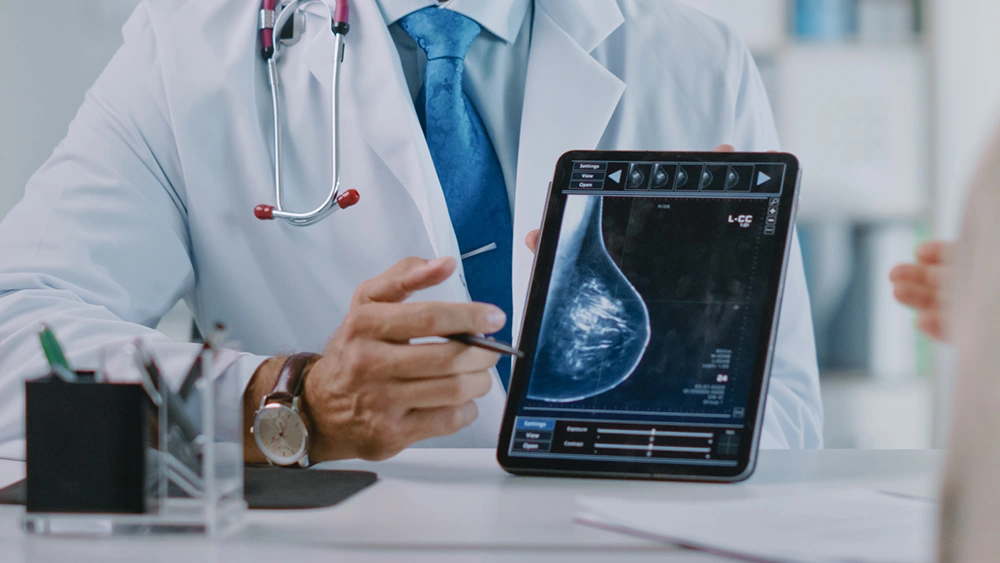
Breast Conserving Surgery (Lumpectomy) in Singapore
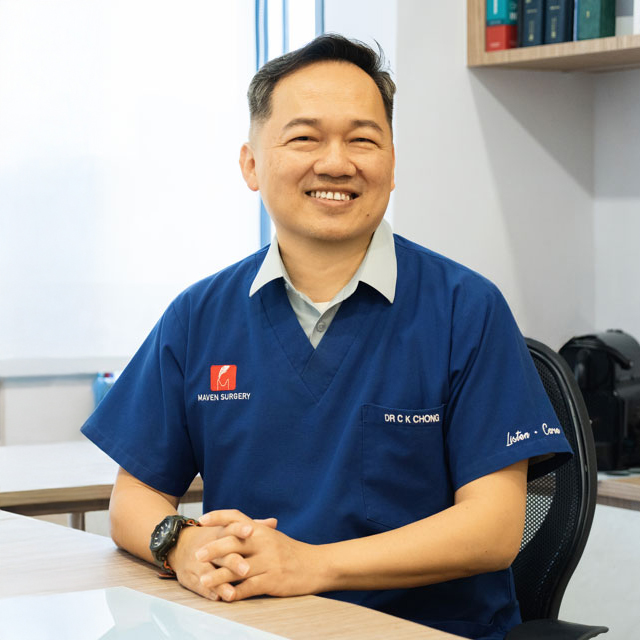
Dr Chong Chee Keong
Breast, Colorectal and General Surgeon
MBBS (Singapore), FRCS (Edinburgh), FRCS (Glasgow), FAMS (Singapore)
Specialist Accreditation in Intensive Care Medicine
Specialists Accreditation Board
For many women, the possibility of losing a breast to cancer can feel emotionally overwhelming, affecting confidence, body image and the sense of familiarity with their own appearance. Breast-conserving surgery (lumpectomy) seeks to offer an alternative approach that preserves as much of the natural breast shape and appearance as medically appropriate.
At Maven Surgery, Dr Chong Chee Keong provides personalised breast-conserving surgery planning tailored to the size and location of the cancer, the suitability of breast preservation and the patient’s treatment priorities. As a breast, colorectal and general surgeon experienced in breast cancer management, Dr Chong focuses on achieving effective cancer removal while carefully considering cosmetic outcomes, surgical precision and long-term recovery.
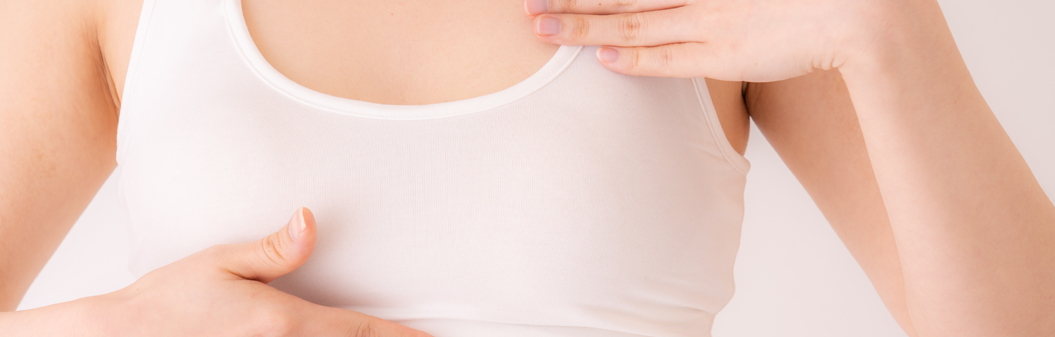
What Is Breast-Conserving Surgery (Lumpectomy)?
Unlike a mastectomy, which involves removing the entire breast, breast-conserving surgery (lumpectomy) is a breast cancer treatment procedure performed to remove a breast tumour together with a margin of surrounding healthy tissue while preserving most of the breast.
This approach aims to treat the cancer effectively while minimising changes to the breast’s natural appearance and contour.
A lumpectomy is commonly considered for patients with early-stage breast cancer or smaller tumours that are confined to one area of the breast. In many cases, this approach is combined with radiotherapy after surgery to reduce the risk of cancer recurrence within the remaining breast tissue.
When Do Specialists Recommend a Lumpectomy?
A lumpectomy may be considered for patients under certain circumstances:
- The breast cancer is detected at an early stage
- There is no extensive cancer involvement across multiple areas of the breast
- The tumour is small relative to the size of the breast
- Clear surgical margins can likely be achieved while preserving breast appearance
- The patient is suitable for follow-up radiation therapy after surgery
- The patient prefers a breast-conserving approach after discussing treatment options and expected outcomes with the specialist
Undergoing breast cancer surgery can feel emotionally and medically complex. Knowing whether a lumpectomy is suitable for your condition may help you make a more confident and informed treatment decision.
Book a Consultation TodayCosmetic Outcomes After a Lumpectomy
The appearance of the breast after a lumpectomy can vary between patients depending on the extent of surgery performed and the body’s natural healing response. Understanding these possible outcomes can help patients develop more realistic expectations before treatment.
Changes in Shape, Contour and Symmetry
Because only the cancerous tissue and a margin of surrounding tissue are removed during a lumpectomy, many patients are able to preserve much of their natural breast shape and appearance. However, some degree of change to breast contour, symmetry or firmness may still occur after surgery, particularly if a larger volume of tissue needs to be removed.
The extent of visible change often depends on factors such as the size of the tumour relative to the breast, the location of the cancer within the breast and the amount of tissue removed to achieve clear surgical margins. Patients with smaller breasts may sometimes notice contour differences more easily after tissue removal, while tumours located in more visible areas of the breast may affect cosmetic appearance differently.
Post-Procedural Scarring and Changes
Changes may also continue to develop gradually during the healing process and after follow-up radiation therapy. Some patients experience temporary swelling, firmness or subtle volume loss around the surgical site as the breast tissue heals. Surgical scars are expected after a lumpectomy, although they generally become less noticeable over time as healing progresses.
When cosmetic changes are more significant, reconstructive or corrective procedures may sometimes be considered to improve breast symmetry or contour. These options depend on the extent of the surgery performed, the remaining breast tissue and the patient’s individual treatment goals and preferences.
Potential Risks and Complications of a Lumpectomy
As with any surgical procedure, a lumpectomy carries certain risks and potential complications, although serious complications are uncommon when surgery is carefully planned and performed.
General surgical risks may include:
- Bleeding
- Infection
- Pain or discomfort
- Swelling and bruising around the surgical site
Some complications are more specific to breast-conserving surgery, including:
- Fluid collection within the surgical cavity (seroma)
- Changes in breast shape or symmetry
- Scar tissue formation or firmness within the breast
- Changes in skin or nipple sensation
In some cases, further surgery may be required if cancer cells are detected too close to the edge of the removed tissue. This is known as a positive or incomplete surgical margin, and an additional procedure may be recommended to achieve clearer margins.
Although lumpectomy combined with radiation therapy is an effective treatment option for many patients, ongoing follow-up remains important due to the long-term risk of breast cancer recurrence within the remaining breast tissue.
What Happens During a Lumpectomy Procedure?
Many lumpectomy procedures are performed as day surgery, although some patients may require a short inpatient stay depending on the extent of surgery and recovery progress.
Understanding the steps involved in breast conservation surgery can help you feel more informed and prepared for what to expect.
Step 1: Anaesthesia and Preparation
Before the lumpectomy begins, general anaesthesia is administered so the patient remains asleep and comfortable throughout the procedure. Once anaesthesia has taken effect, the breast area is cleaned and prepared for surgery while the surgical team positions the patient carefully for the operation.
Step 2: Surgical Incision
Once the surgical area has been prepared, a carefully planned incision is made over or near the affected part of the breast. The placement of the incision is determined based on the location of the tumour and the need to preserve the natural breast contour where possible.
Step 3: Tumour and Margin Removal
The tumour is then removed together with a surrounding margin of healthy breast tissue. This additional tissue removal helps lower the likelihood of cancer cells remaining within the breast while preserving as much unaffected tissue as medically appropriate.
Step 4: Margin Assessment
After the tissue has been removed, it is examined to determine whether the surgical margins are sufficiently clear of cancer cells. If necessary, additional tissue may sometimes be removed to achieve more complete cancer clearance.
Step 5: Lymph Node Assessment
For certain patients, nearby lymph nodes may also be assessed during the procedure to evaluate whether cancer cells have spread beyond the breast tissue. This is commonly performed through a sentinel lymph node biopsy and helps guide further staging and treatment decisions.
Step 6: Wound Closure and Recovery
Once the procedure is completed, the breast tissue is repositioned where needed before the incision is closed with sutures and covered with dressings. Patients are then monitored in the recovery area as the effects of anaesthesia wear off.
Post-Operative Care: Tips for a Smooth and Safe Recovery
Most patients are able to return home within the same day or after a short observation period. There are several post-operative care measures that patients can take to support healing, reduce discomfort and lower the risk of complications during recovery.
- Wound care: Patients are usually advised to keep the surgical area clean and dry while following the wound care instructions provided after the procedure. Mild swelling, bruising and tenderness around the breast are common during the early stages of healing.
- Pain management and activity restrictions: Discomfort after a lumpectomy is often manageable with prescribed or recommended pain medication. Light movement is generally encouraged during recovery, although strenuous exercise, heavy lifting and repetitive upper-body activity may need to be avoided temporarily.
- Monitoring signs of complications: Patients should actively look out for symptoms such as increasing redness, worsening swelling, persistent bleeding, fever, fluid discharge or worsening pain around the surgical site, as these may require medical review.
- Follow-up care and radiation therapy: Follow-up appointments are important for reviewing wound healing, pathology findings and recovery progress. Radiation therapy is also commonly recommended after breast-conserving surgery to reduce the risk of cancer recurrence within the remaining breast tissue.
Many patients are able to return to normal daily activities within 1–2 weeks, although healing time varies depending on the extent of surgery performed and whether lymph node procedures were also carried out.
Preserving Breast Appearance with Personalised Cancer Surgery
When carefully planned, a lumpectomy can provide effective cancer treatment while reducing some of the physical and emotional impact associated with more extensive breast removal surgery. This approach aims to place the patient first, helping them to move through breast cancer treatment while preserving a greater sense of familiarity, confidence and quality of life wherever medically appropriate.
At Maven Surgery, our breast care clinic in Singapore, lumpectomy surgery is carefully carried out by Dr Chong Chee Keong, a general surgeon experienced in the surgical management of breast cancer and complex breast conditions. Dr Chong adopts a personalised and carefully planned approach to lumpectomy, taking into account cancer clearance, cosmetic considerations and each patient’s individual treatment priorities when recommending surgical options.
If you have been diagnosed with breast cancer and would like to understand whether breast-conserving surgery may be suitable for your condition, arrange a consultation with us to discuss your treatment options and next steps.
Frequently Asked Questions About Lumpectomy
Is a lumpectomy considered major surgery?
How long does a lumpectomy procedure take?
Will my breast look noticeably different after a lumpectomy?
Will I need radiation therapy after a lumpectomy?
Can breast lumps return after a lumpectomy?
Our Lumpectomy Specialist in Singapore
Dr Chong Chee Keong
Breast, Colorectal and General Surgeon
MBBS (Singapore), FRCS (Edinburgh), FRCS (Glasgow), FAMS (Singapore)
Specialist Accreditation in Intensive Care Medicine
Specialists Accreditation Board
Dr Chong is a senior consultant surgeon with extensive experience in breast cancer care, guiding patients from diagnosis and surgery to follow-up. As Medical Director at Maven Surgery, he is known for combining technical expertise with clear and compassionate communication. With over two decades of practice, Dr Chong has regularly been involved in breast conservation surgery and related procedures, bringing a strong surgical foundation and a commitment to patient-centred care. He understands the value that patients place in their appearance and self-image, and strives to carry out procedures that help conserve as much of the breast as possible.
“Your Partner in Every Step of Recovery and Beyond”
For appointments and enquiries, contact us via form below or call us at (+65) 6355 5285
Mount Elizabeth Novena Specialist Centre
38 Irrawaddy Road #06-33,Singapore 329563
Parkway East Medical Centre
319 Joo Chiat Place #02-05,Singapore 427989
Farrer Park Medical Centre
1 Farrer Park Station Rd #15-13,Singapore 217562
Tel : (+65) 6355 5285
Whatsapp : (+65) 6355 5285
Operating Hours: Monday to Friday: 9:00 AM to 5:00 PM Saturday: 9:00 AM to 1:00 PM Closed on Sundays and Public Holidays