


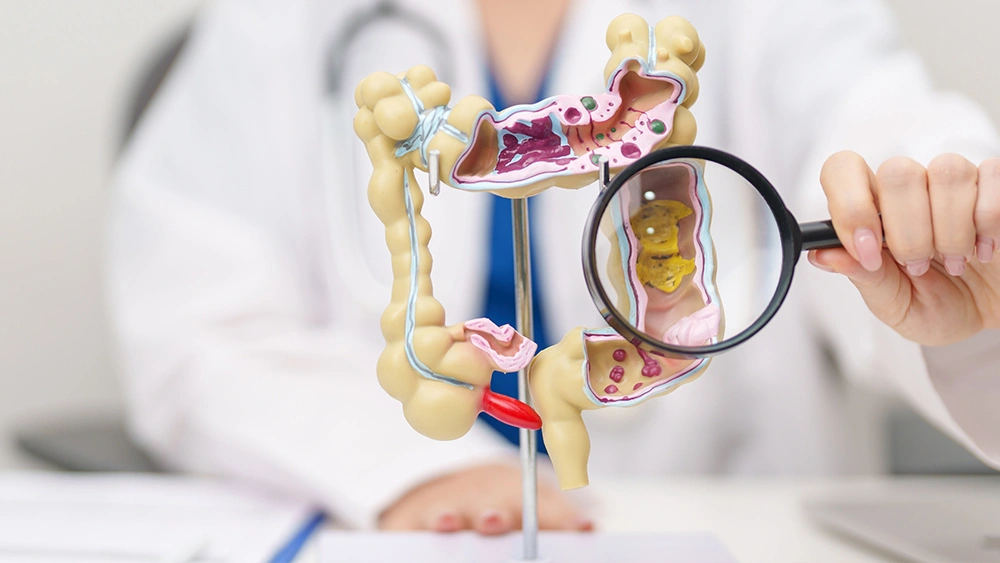
Anal Fissure Surgery in Singapore
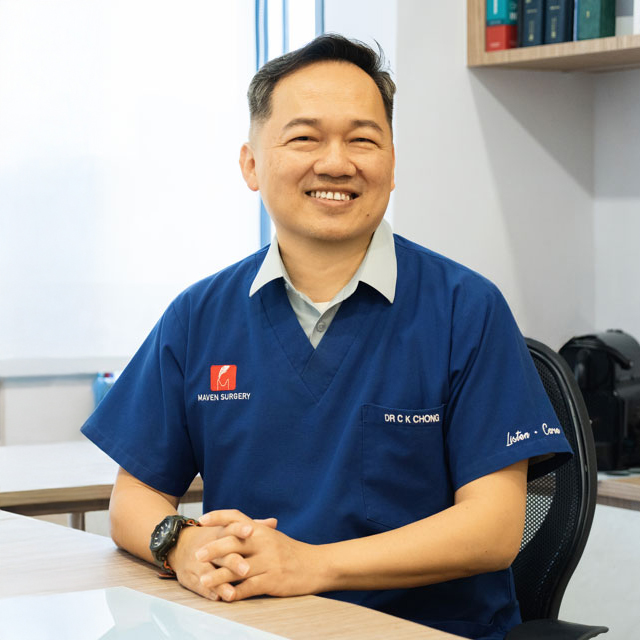
Dr Chong Chee Keong
Breast, Colorectal and General Surgeon
MBBS (Singapore), FRCS (Edinburgh), FRCS (Glasgow), FAMS (Singapore)
Specialist Accreditation in Intensive Care Medicine
Specialists Accreditation Board
Persistent anal fissures can make everyday activities such as bowel movements painful and distressing. While many acute fissures heal with conservative treatment, some become persistent and continue to cause discomfort despite medication and lifestyle changes. In these cases, surgery may be recommended to relieve symptoms, promote healing and reduce the risk of recurrence.
At Maven Surgery, Dr Chong Chee Keong provides personalised assessment and treatment to determine the most appropriate management for your condition.
What Is an Anal Fissure?
An anal fissure is a tear in the thin lining of the anal canal, usually caused by trauma during bowel movements. Common symptoms include sharp pain during or after passing stools, bright red bleeding on the toilet paper or stool and discomfort that may persist for several hours. Anal fissures are often associated with constipation and passing hard stools, although chronic diarrhoea, childbirth and increased tension in the anal sphincter muscles can also contribute to their development.
How Is an Anal Fissure Diagnosed?
An anal fissure can often be diagnosed based on your symptoms and a gentle examination of the anal area. Your colorectal surgeon will ask about your bowel habits, how long your symptoms have been present and whether you have experienced similar episodes before.
Common signs and symptoms of an anal fissure include:
- Sharp pain during or immediately after passing a bowel movement
- Bright red blood on the toilet paper or the surface of the stool
- A burning or aching sensation that may persist for several hours after a bowel movement
- A visible tear or small lump of skin near the anus in some chronic cases
A careful examination is usually enough to confirm the diagnosis and determine whether the fissure is acute or chronic. If the fissure is difficult to assess because of severe pain, or if your symptoms suggest another condition such as haemorrhoids, inflammatory bowel disease or colorectal cancer, further investigations such as a colonoscopy may be recommended.
Have you been experiencing these symptoms?
If you've been living with ongoing anal pain or bleeding, it's understandable to feel hesitant about seeking help. However, these symptoms are common and can often be treated effectively by a specialist.
How Is an Anal Fissure Treated?
Treatment depends on whether the fissure is acute or chronic, as well as how well it responds to conservative management. Most acute anal fissures heal without surgery, while persistent or recurrent fissures may require a surgical procedure.
Non-surgical treatment
Most acute anal fissures can be managed without surgery. The primary goals are to relieve pain, reduce spasm of the anal sphincter muscles and allow the tear to heal naturally. Treatment may include:
- Dietary and lifestyle changes: Increasing fibre intake, drinking plenty of water and avoiding straining during bowel movements can help produce softer stools and reduce further irritation to the fissure.
- Sitz baths: Sitting in warm water several times a day, particularly after bowel movements, may help relax the anal muscles, relieve discomfort and promote healing.
- Topical medications: Medicated creams or ointments may be prescribed to relax the anal sphincter, improve blood flow to the fissure and reduce pain during healing.
- Oral medications: Stool softeners, fibre supplements or pain relief may be recommended to make bowel movements more comfortable and reduce further injury to the fissure.
Surgical treatment
Surgery is generally considered when an anal fissure becomes chronic or fails to heal despite several weeks of appropriate non-surgical treatment. The aim is to relieve the underlying muscle spasm that prevents the fissure from healing while providing long-term symptom relief.
Lateral internal sphincterotomy (LIS) is the most commonly performed operation for chronic anal fissures. During the procedure, a small portion of the internal anal sphincter muscle is carefully divided to reduce muscle tension and improve blood flow to the affected area. This creates a better environment for the fissure to heal and helps reduce pain during bowel movements. The procedure is typically performed as day surgery, allowing most patients to return home on the same day and resume their normal activities gradually as they recover.
What to Expect During Anal Fissure Surgery?
If surgery is recommended, knowing what to expect before, during and after the procedure can help you feel more prepared. Your colorectal surgeon will guide you through each stage of treatment and answer any questions before your operation.
Before Surgery
Before surgery, you will attend a pre-operative consultation to review your medical history, current medications and overall health. Your surgeon will explain the procedure, discuss the expected benefits and potential risks, and provide instructions on fasting and preparing for the day of surgery.
During Surgery
Anal fissure surgery is usually performed as a day procedure under general anaesthesia. The operation itself is relatively short, and you will be monitored closely throughout before being transferred to the recovery area once the procedure is complete.
After Surgery
Most patients are able to return home on the same day. It is normal to experience mild discomfort during the early stages of recovery, although this usually improves over the following days. Your surgeon will provide guidance on pain management, wound care, bowel habits and follow-up appointments to support your recovery.
Wondering which type of treatment is the right option for you?
At our clinic, Dr Chong Chee Keong provides discreet, compassionate care in a comfortable setting, taking the time to understand your concerns and recommend the most appropriate treatment for your condition.
Are There Risks or Complications to Anal Fissure Surgery?
Lateral internal sphincterotomy is a commonly performed procedure with a high success rate, but like all surgery, it carries some potential risks. Your colorectal surgeon will discuss these with you before the procedure and take steps to minimise the likelihood of complications. These may include:
- Bleeding: Mild bleeding after surgery is common and usually settles on its own. More significant bleeding is uncommon.
- Infection: Although rare, infection can occur at the surgical site and may require additional treatment.
- Temporary changes in bowel control: Some patients may experience temporary difficulty controlling gas or mild leakage of stool while the area heals. This usually improves over time.
- Delayed healing or recurrence: While most fissures heal successfully after surgery, a small number may take longer to heal or recur, particularly if underlying bowel habits are not addressed.
Finding Treatment and Relief for Anal Fissures
Living with an anal fissure does not have to become your new normal. Whether your symptoms are recent or have persisted despite conservative treatment, seeking an early specialist assessment can help identify the underlying cause and determine the most appropriate treatment for lasting relief.
At Maven Surgery, Colorectal and General Surgeon Dr Chong Chee Keong provides comprehensive care for anal fissures. He will assess your condition, explain your treatment options and develop a personalised management plan to help you recover comfortably and confidently. Through this approach, Dr Chong supports patients through every stage of their treatment journey, from diagnosis and conservative management to surgery and recovery where appropriate.
If you have persistent anal pain, bleeding during bowel movements or an anal fissure that has not healed, contact us today to arrange a consultation.
Meet Our Colorectal Surgeon in Singapore
Dr Chong Chee Keong
Breast, Colorectal and General Surgeon
MBBS (Singapore), FRCS (Edinburgh), FRCS (Glasgow), FAMS (Singapore)
Specialist Accreditation in Intensive Care Medicine
Specialists Accreditation Board
Dr Chong Chee Keong brings over two decades of experience in the diagnosis and treatment of colorectal conditions, ranging from common benign disorders to complex colorectal diseases. He provides comprehensive care for patients with anal fissures, recommending conservative treatment whenever appropriate and surgery only when it offers the best chance of lasting relief. Known for his thoughtful and measured approach, Dr Chong places a strong emphasis on clear communication, personalised care and supporting patients throughout every stage of diagnosis, treatment and recovery.
“Your Partner in Every Step of Recovery and Beyond”
For appointments and enquiries, contact us via form below or call us at (+65) 6355 5285

Mount Elizabeth Novena Specialist Centre
38 Irrawaddy Road #06-33,Singapore 329563
Parkway East Medical Centre
319 Joo Chiat Place #02-05,Singapore 427989
Farrer Park Medical Centre
1 Farrer Park Station Rd #15-13,Singapore 217562
Tel : (+65) 6355 5285
Whatsapp : (+65) 6355 5285
Operating Hours: Monday to Friday: 9:00 AM to 5:00 PM Saturday: 9:00 AM to 1:00 PM Closed on Sundays and Public Holidays