

Tumour and Cancer Surgery in Singapore
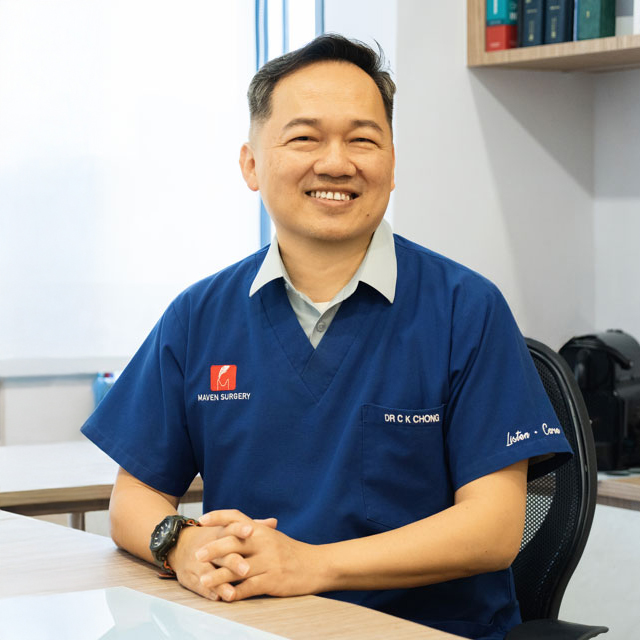
Dr Chong Chee Keong
Breast, Colorectal and General Surgeon
MBBS (Singapore), FRCS (Edinburgh), FRCS (Glasgow), FAMS (Singapore)
Specialist Accreditation in Intensive Care Medicine
Specialists Accreditation Board
When a tumour is discovered, cancer is often one of the first concerns that comes to mind. However, a tumour does not immediately mean that cancer is present. Understanding what the growth represents is an important first step before deciding what, if any, treatment is needed.
Specialist evaluation can provide greater clarity on the nature of the tumour and the next steps, including whether further investigation, monitoring or surgical treatment is appropriate.
What Is a Tumour?
A tumour is an abnormal growth of cells that forms a lump or mass within the body. Tumours can develop in organs, glands, soft tissues and other structures and may be either benign or malignant.
Benign tumours are non-cancerous and do not spread to distant parts of the body. However, some may still require treatment if they grow, cause symptoms or affect nearby structures.
Malignant tumours are cancerous and can invade surrounding tissues or spread to other parts of the body. Treatment is determined by the type, location and extent of the cancer.
When May a Tumour Need to Be Removed?
Finding a tumour does not automatically mean that surgery is necessary. Your surgeon will assess the nature of the tumour, its location and the problems it is causing before recommending removal.
Suspected or Confirmed Cancer
Surgery may be recommended when investigations indicate that a tumour is cancerous or there is sufficient concern that it could be malignant. Depending on the cancer, removing the tumour may form an important part of treatment.
Growth or Changes in the Tumour
A tumour that increases in size or develops concerning changes may require further investigation or removal, even if it was previously being monitored.
Symptoms or Pressure on Nearby Structures
Benign tumours can still cause problems because of their size or location. Surgery may be considered if a tumour causes pain, obstruction, bleeding or pressure on surrounding organs and tissues.
Further Diagnosis
In some cases, removing part or all of a tumour allows the tissue to be examined in greater detail. This can help establish a definitive diagnosis and guide any further treatment required.
How Are Tumours Assessed Before Surgery?
Before recommending surgery, your surgeon will assess a tumour to understand its location, size, characteristics and impact on the surrounding region. This also helps determine whether surgery is necessary and how the procedure should be planned.
- Physical examination: Where the tumour can be seen or felt, your doctor may assess its size, location and other physical characteristics.
- Imaging: Tests such as ultrasound, CT or MRI scans may be used to examine the tumour and surrounding tissues in greater detail.
- Biopsy: A sample of tissue may be collected and examined to determine whether the cells are benign, cancerous or otherwise abnormal.
- Additional tests: Blood tests or other investigations may be required depending on the location of the tumour and suspected diagnosis.
These findings are considered together when determining whether tumour removal is appropriate and the extent of surgery required.
If you notice a new or changing growth, early assessment can help determine its nature and whether further investigation is needed.
Speak with our specialist for an evaluation and advice on the appropriate next steps.
What Does Tumour and Cancer Surgery Involve?
Tumour surgery involves removing the growth while preserving as much healthy tissue as possible. The extent of surgery varies depending on the type, size and location of the tumour.
For some benign tumours, removing the growth itself may be sufficient. For cancerous tumours, the surgeon may also remove a small amount of healthy tissue around the cancer to help ensure that no cancer cells are left behind. In some cases, nearby lymph nodes or affected tissue may also need to be removed.
The tissue removed during surgery is usually sent for laboratory testing. The results can provide more information about the tumour and help doctors decide whether any further treatment is needed.
Types of Tumour and Cancer Surgery
Your cancer specialist will recommend a surgical approach based on where the tumour is located, its size and how much tissue needs to be removed.
Local Excision
Local excision removes the tumour and a small amount of tissue around it. This may be suitable for more isolated tumours that can be removed without a more extensive operation.
Wide Local Excision
For certain cancers, the tumour is removed together with a wider margin of healthy tissue. This helps reduce the likelihood of cancer cells remaining while preserving as much unaffected tissue as possible.
Minimally Invasive Surgery
Some tumours can be removed using keyhole surgery through several small incisions. This can reduce the size of surgical wounds and support a faster recovery compared with open surgery when the approach is suitable.
More Extensive Cancer Surgery
Some cancers require removal of part or all of the affected organ. Nearby lymph nodes or other tissue may also need to be removed if there is concern that the cancer has spread beyond the original tumour.
How Surgery Fits into Cancer Treatment
For some early-stage cancers, surgery is used to remove the cancer while it remains confined to its original location, before it has spread to other parts of the body. Depending on the cancer, this may provide the best opportunity for complete removal and long-term disease control.
However, cancer cells are not always limited to the tumour that can be seen or removed. If there is a risk that cancer cells have spread beyond the original tumour, other treatments may be needed to target cancer elsewhere in the body or reduce the chance of it returning.
This is why surgery may be combined with treatments such as chemotherapy, radiotherapy, hormonal therapy or targeted therapy. These treatments can be given before surgery to improve the chances of successful removal or afterwards to address remaining cancer cells and reduce the risk of recurrence.
Your surgeon and other cancer specialists will consider the type and stage of cancer, surgical findings and laboratory results when planning how surgery fits into your overall treatment.
Preparing for Tumour Removal Surgery
Before surgery, your surgeon will confirm the details of the procedure and review the results of your scans, biopsy and other tests. This allows the surgical team to plan the procedure and prepare for the surgery date.
You will typically be given instructions covering:
- Medications: Your surgeon will review your regular medications and advise if any need to be adjusted or temporarily stopped before surgery.
- Fasting: You will be told when to stop eating and drinking before the operation, particularly if general anaesthesia is required.
- Pre-operative tests: Blood tests and other checks may be performed to ensure you are ready for surgery.
- Hospital arrangements: You will be advised about admission, your expected hospital stay and whether you will need someone to accompany you home.
If you are receiving other cancer treatments, your surgeon will take these into account when preparing for surgery, and ensure the timing of the operation fits into your overall treatment plan.
Recovery After Tumour or Cancer Surgery
After surgery, your surgical team will monitor your wound, pain levels and general recovery. Pain relief will be provided as needed, and you will usually be encouraged to start moving as soon as possible, to support circulation and prevent stiffness.
During the initial recovery period, you will receive guidance on:
- Wound care: You will be shown how to keep the surgical area clean and what signs of infection or poor healing to look out for.
- Activity: Walking and light activities can usually be introduced gradually. Heavy lifting and strenuous exercise should be avoided while the surgical area heals.
- Diet: You may need to adjust what you eat during the early stages of recovery, particularly after surgery involving the digestive system.
- Returning to work: Smaller operations may allow you to return to work relatively quickly, while major cancer surgery can require several weeks of recovery. Your surgeon will let you know when it is safe to return based on how you are healing and the type of work you do.
The removed tumour will also be examined in the laboratory. At your follow-up appointment, your surgeon will check your recovery, discuss the results with you and explain whether any further treatment or monitoring is needed.
Are There Risks to Tumour and Cancer Surgery?
Tumour removal and cancer surgery are carefully planned procedures, and many patients recover without significant complications. Before surgery, your surgical team will review your overall health, test results and individual risk factors so that potential concerns can be identified and appropriate precautions taken.
Potential risks include:
- Bleeding: Bleeding can occur after surgery and may occasionally require further treatment.
- Infection: An infection can develop around the surgical wound and may require antibiotics or additional wound care.
- Blood clots: Reduced movement after surgery can increase the risk of blood clots. Patients are generally encouraged to start walking when it is safe, with additional preventive measures used where needed.
- Effects on nearby tissue or organs: Depending on where the tumour is located, surgery may affect nearby nerves, blood vessels or organs.
- Anaesthetic complications: General anaesthesia carries potential risks, which the medical team will assess before the operation.
Your surgical team will take steps throughout your care to minimise these risks, from careful pre-operative assessment and surgical planning to appropriate techniques during the operation. After surgery, your recovery will be monitored and you will be advised on wound care, activity and any symptoms that should be brought to your surgeon’s attention.
Specialist Care for Tumour and Cancer Surgery with Dr Chong Chee Keong
Whether a tumour requires surgery is an important decision that should be based on a clear understanding of the diagnosis and the role surgery can play in treatment. Where removal is recommended, appropriate surgical planning can help balance effective treatment with preserving healthy tissue wherever possible.
At Maven Surgery, Dr Chong Chee Keong provides surgical care for patients with tumours and cancers, from evaluation and surgical treatment through to follow-up. His approach focuses on careful planning, clear communication and ensuring patients understand how surgery fits into their wider care.
If you have been diagnosed with a tumour or advised to consider surgical removal, contact us today to discuss your diagnosis and next steps.
Frequently Asked Questions (FAQs) About Tumour Surgery
Can a tumour be removed before knowing whether it is cancerous?
Can a benign tumour still grow back after removal?
How long does it take to receive results after tumour removal?
Does removing a cancerous tumour mean the cancer is cured?
Will I need chemotherapy or radiotherapy after cancer surgery?
Our Cancer Surgeon in Singapore
Dr Chong Chee Keong
Breast, Colorectal and General Surgeon
MBBS (Singapore), FRCS (Edinburgh), FRCS (Glasgow), FAMS (Singapore)
Specialist Accreditation in Intensive Care Medicine
Specialists Accreditation Board
Dr Chong Chee Keong is a general surgeon with over 20 years of surgical experience. His practice includes the surgical management of tumours and cancers, with particular experience in breast and colorectal conditions.
Dr Chong takes an individualised approach to cancer surgery, balancing the need for effective tumour removal with consideration for the patient's overall well-being and recovery. He places particular emphasis on thoughtful surgical decision-making and clear, straightforward communication, helping patients understand their options and feel informed throughout their care.
“Your Partner in Every Step of Recovery and Beyond”
For appointments and enquiries, contact us via form below or call us at (+65) 6355 5285
Mount Elizabeth Novena Specialist Centre
38 Irrawaddy Road #06-33,Singapore 329563
Parkway East Medical Centre
319 Joo Chiat Place #02-05,Singapore 427989
Farrer Park Medical Centre
1 Farrer Park Station Rd #15-13,Singapore 217562
Tel : (+65) 6355 5285
Whatsapp : (+65) 6355 5285
Operating Hours: Monday to Friday: 9:00 AM to 5:00 PM Saturday: 9:00 AM to 1:00 PM Closed on Sundays and Public Holidays