


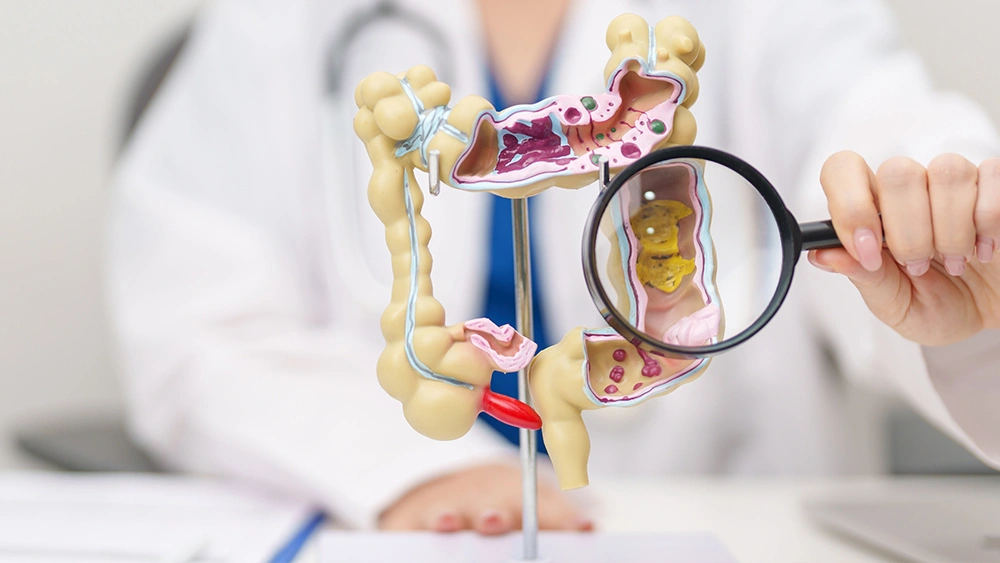
Piles (Haemorrhoids) Treatment in Singapore
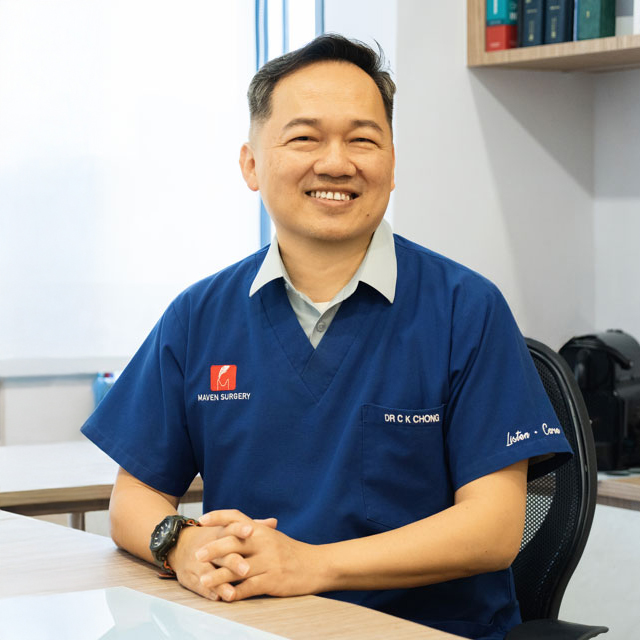
Dr Chong Chee Keong
Breast, Colorectal and General Surgeon
MBBS (Singapore), FRCS (Edinburgh), FRCS (Glasgow), FAMS (Singapore)
Specialist Accreditation in Intensive Care Medicine
Specialists Accreditation Board
Many people live with piles for months or even years before seeking medical attention. What may begin as occasional bleeding, itching or discomfort during bowel movements can gradually become more frequent, making it uncomfortable to sit, exercise or carry out everyday activities. Although piles are common and often treatable, persistent or worsening symptoms should not be ignored, as they can affect your quality of life and may sometimes be mistaken for other colorectal conditions.
Whether your symptoms can be managed with conservative treatment or require surgery depends on the severity of your condition. A thorough assessment helps determine the most appropriate treatment to relieve symptoms and reduce the risk of recurrence.
What are Piles (Haemorrhoids)?
Piles, also known as haemorrhoids, are swollen and enlarged blood vessels in or around the anus and lower rectum. They are a common condition that can affect adults of all ages, although they become more common with age and during pregnancy.
Not all piles cause symptoms. Some remain small and go unnoticed, while others may lead to discomfort, itching, bleeding or protrusion during bowel movements. Depending on their location, piles are classified as either internal or external, and the severity of symptoms can vary from person to person.
Although piles are rarely serious, persistent or worsening symptoms should be assessed by a colorectal surgeon to confirm the diagnosis and determine the most appropriate treatment.
What are the Symptoms of Piles (Haemorrhoids)?
The symptoms of piles depend on their size, location and severity. While some people experience only mild irritation, others may develop symptoms that interfere with everyday activities.
Common symptoms include:
- Bright red bleeding during or after passing stools
- A lump around the anus that may be felt or seen
- Pain or discomfort, particularly when sitting or during bowel movements
- Itching or irritation around the anus
- Mucus discharge or difficulty keeping the anal area clean
- A feeling of incomplete bowel emptying or fullness after passing stools
Seek medical attention if you experience persistent rectal bleeding, severe pain or a lump that suddenly becomes swollen and very painful. These symptoms may indicate a thrombosed haemorrhoid or another condition requiring prompt assessment.
an early assessment can help confirm the cause of your symptoms and
determine the most appropriate treatment.
What are the Causes and Risk Factors of Piles (Haemorrhoids)?
Piles develop when increased pressure causes the veins in the lower rectum and anus to become swollen and enlarged. This pressure may result from repeated straining or other factors that place stress on the blood vessels in the anal canal.
Common causes and risk factors include:
- Chronic constipation and straining during bowel movements
- Prolonged sitting on the toilet
- Chronic diarrhoea
- Pregnancy and childbirth
- Obesity
- Ageing, which can weaken the supporting tissues around the anal canal
- Frequent heavy lifting
- A low-fibre diet that contributes to hard stools
Having one or more of these risk factors does not necessarily mean you will develop piles. However, making lifestyle changes, such as increasing dietary fibre, staying well hydrated and avoiding prolonged straining, may help reduce your risk or prevent symptoms from worsening.
What Are the Different Types of Piles (Haemorrhoids)?
Piles are classified according to their location. Understanding the type of haemorrhoid helps your colorectal surgeon determine the most appropriate treatment based on your symptoms and the severity of your condition.
External Haemorrhoids
External haemorrhoids develop beneath the skin around the anus. They may cause pain, itching, swelling or discomfort, particularly if a blood clot (thrombosis) forms within the haemorrhoid. Some people also notice a tender lump around the anus.Internal Haemorrhoids
Internal haemorrhoids develop inside the rectum and are usually not visible from the outside. They often cause painless bleeding during bowel movements and may enlarge over time. As they progress, internal haemorrhoids can prolapse through the anus, leading to symptoms such as discomfort, mucus discharge, irritation and difficulty maintaining hygiene.How Are Piles (Haemorrhoids) Classified?
Internal haemorrhoids are classified into four grades according to the degree of prolapse. The grade helps determine the severity of the condition and guides treatment recommendations.
Grade 1
The haemorrhoid remains inside the anal canal and does not prolapse. Symptoms may include painless bleeding or mild discomfort during bowel movements.Grade 2
The haemorrhoid prolapses during bowel movements or straining but returns inside on its own afterwards.Grade 3
The haemorrhoid prolapses during bowel movements or physical activity and must be gently pushed back into the anal canal manually.Grade 4
The haemorrhoid remains permanently prolapsed and cannot be pushed back inside. Grade 4 haemorrhoids are more likely to cause pain, swelling, bleeding and complications, and surgery is often recommended.
haemorrhoids that may be treated conservatively to more advanced cases
requiring surgery. A consultation can help determine the most appropriate treatment based on your symptoms and condition.
How Are Piles Diagnosed?
Diagnosing piles begins with a consultation and physical examination. Your colorectal surgeon will ask about your symptoms, including bleeding, pain, itching, prolapse and changes in your bowel habits. This helps determine whether your symptoms are caused by haemorrhoids or another colorectal condition.
The assessment may include:
- Visual examination to assess external haemorrhoids or prolapsed internal haemorrhoids.
- Digital rectal examination (DRE) to examine the anal canal and lower rectum.
- Anoscopy or proctoscopy, using a small instrument to examine internal haemorrhoids.
- Colonoscopy may be recommended for selected patients with persistent rectal bleeding, changes in bowel habits or other symptoms requiring further investigation.
A thorough assessment helps determine the type and grade of your haemorrhoids and guides the most appropriate treatment plan.
What Are the Treatment Options for Piles?
Treatment depends on the type and grade of your haemorrhoids, the severity of your symptoms and how much they affect your daily life. While many patients respond well to conservative measures or office-based procedures, surgery may be recommended for larger, prolapsed or recurrent haemorrhoids.
Non-Surgical Treatments
Not all haemorrhoids require surgery. For many patients, symptoms can be effectively managed with non-surgical treatments that relieve discomfort, reduce swelling and improve quality of life.
- Oral Medications and Topical Treatments: Mild haemorrhoids may be managed with medications that help relieve pain, itching and inflammation. Stool softeners may also be recommended to reduce straining during bowel movements.
- Rubber Band Ligation: Rubber band ligation is a minimally invasive procedure used to treat selected internal haemorrhoids. A small rubber band is placed around the haemorrhoid to cut off its blood supply, causing it to shrink and fall off naturally over time.
- Injection Treatment (Sclerotherapy): Sclerotherapy involves injecting a solution into the haemorrhoid to cause it to shrink. It is commonly used for smaller internal haemorrhoids or for patients who are not suitable candidates for other procedures.
- Haemorrhoidal Artery Ligation (HAL) or Transanal Haemorrhoidal Dearterialisation (THD): Ultrasound guidance is used to locate and tie off arteries supplying the haemorrhoids. When prolapse is present, the tissue may also be lifted and secured with sutures.
Surgical Treatments
Surgery may be recommended when haemorrhoids are large, prolapsed, recurrent or do not improve with non-surgical treatment.
- Conventional Haemorrhoidectomy: The haemorrhoids are surgically removed using traditional techniques. This remains an effective treatment for more advanced haemorrhoids.
- Closed Haemorrhoidectomy: After removing the haemorrhoids, the surgical wound is closed with sutures. This technique involves closing the surgical wound with sutures and may be used in selected patients.
- Stapled Haemorrhoidopexy: A circular stapling device is used to reposition prolapsed internal haemorrhoids while reducing their blood supply. This procedure is suitable for selected patients with prolapsing internal haemorrhoids.
- LigaSure Haemorrhoidectomy: LigaSure uses an energy-based vessel-sealing device to seal blood vessels while haemorrhoidal tissue is removed. It may help reduce blood loss during the procedure.
What to Expect Before, During and After Piles Surgery
Understanding what happens before, during and after piles surgery can help you prepare for your procedure and recovery. While every treatment plan is tailored to your condition and the surgical technique used, most patients follow a similar treatment pathway.
Before Surgery
Before your procedure, you will undergo a pre-operative assessment to ensure you are fit for surgery. This may include blood tests and a review of your medical history and current medications.
Your surgeon will advise whether any medications, such as blood thinners, need to be temporarily adjusted before surgery. You will also receive instructions on fasting and whether bowel preparation is required, depending on the planned procedure.During Surgery
Piles surgery is commonly performed under general or spinal anaesthesia, depending on the procedure and the patient's medical needs.
The procedure performed will depend on the type and severity of your haemorrhoids. Whether your haemorrhoids are removed, repositioned or treated using a minimally invasive technique, your surgeon will recommend the most appropriate approach based on your condition.
The procedure commonly takes around 30 to 60 minutes, although the duration varies depending on the technique used and the complexity of the condition.After Surgery
After the procedure, you will be monitored in the recovery area until the effects of the anaesthesia have worn off. Many patients are able to return home on the same day, while others may require a short hospital stay depending on the procedure performed.
It is normal to experience some discomfort, mild bleeding and swelling during the early stages of recovery. Pain relief medication and detailed aftercare instructions will be provided, and most patients are encouraged to resume light activities gradually while avoiding heavy lifting until advised by their surgeon. Follow-up appointments allow your recovery to be monitored and any concerns to be addressed.
guide you through your treatment options and help you decide whether
surgery is appropriate. From your initial consultation through recovery, you'll receive personalised care at every stage.
What Are the Risks of Piles Surgery?
Piles surgery is a commonly performed procedure and is generally safe when performed by an experienced colorectal surgeon. However, like all surgical procedures, it carries some risks. Your surgeon will explain these during your consultation and discuss how they relate to your individual condition.
Potential risks specific to piles surgery include:
- Bleeding
- Persistent pain after surgery
- Temporary difficulty passing urine
- Narrowing of the anal canal, known as anal stenosis (uncommon)
- Changes in bowel control, such as temporary leakage of stool or gas (uncommon)
- Recurrence of haemorrhoids
Following your surgeon's post-operative instructions and attending follow-up appointments can help support a smooth recovery and reduce the risk of complications.
Can Piles Be Prevented?
While it may not always be possible to prevent piles, healthy bowel habits and lifestyle changes can help reduce your risk of developing them or prevent existing haemorrhoids from worsening.
Measures that may help include:
- Eating a high-fibre diet to keep stools soft
- Drinking plenty of water throughout the day
- Exercising regularly to promote healthy bowel function
- Avoiding prolonged straining during bowel movements
- Not delaying the urge to pass stools
- Limiting the time spent sitting on the toilet
- Maintaining a healthy body weight
If you continue to experience symptoms despite these measures, or if bleeding, pain or prolapse persists, seek medical assessment. Early assessment can help confirm the cause of your symptoms and allow appropriate treatment before they become more troublesome.
Personalised Care for Piles (Haemorrhoids) with Dr Chong Chee Kong
Piles can range from a minor inconvenience to a condition that affects your comfort and quality of life. Seeking medical assessment early can help identify the cause of your symptoms and determine the most appropriate treatment before they become more severe.
Maven Surgery provides comprehensive assessment and treatment for patients with piles, offering both non-surgical and surgical options tailored to each individual's needs. Dr Chong Chee Kong is an experienced breast, colorectal and general surgeon who provides personalised assessment and management for all grades of haemorrhoids. He will recommend a treatment plan based on your symptoms, the severity of your condition and your individual needs. Schedule a consultation with Dr Chong and discuss your treatment options.
Frequently Asked Questions About Piles (Haemorrhoids)
How serious are piles?
Can piles go away on their own?
How long will it take for piles to heal?
What happens if haemorrhoids are left untreated?
What foods should I avoid if I have piles?
Can piles be permanently cured?
How much does piles surgery cost in Singapore?
Is piles surgery covered by MediSave?
Our Hernia Surgeon in
Singapore
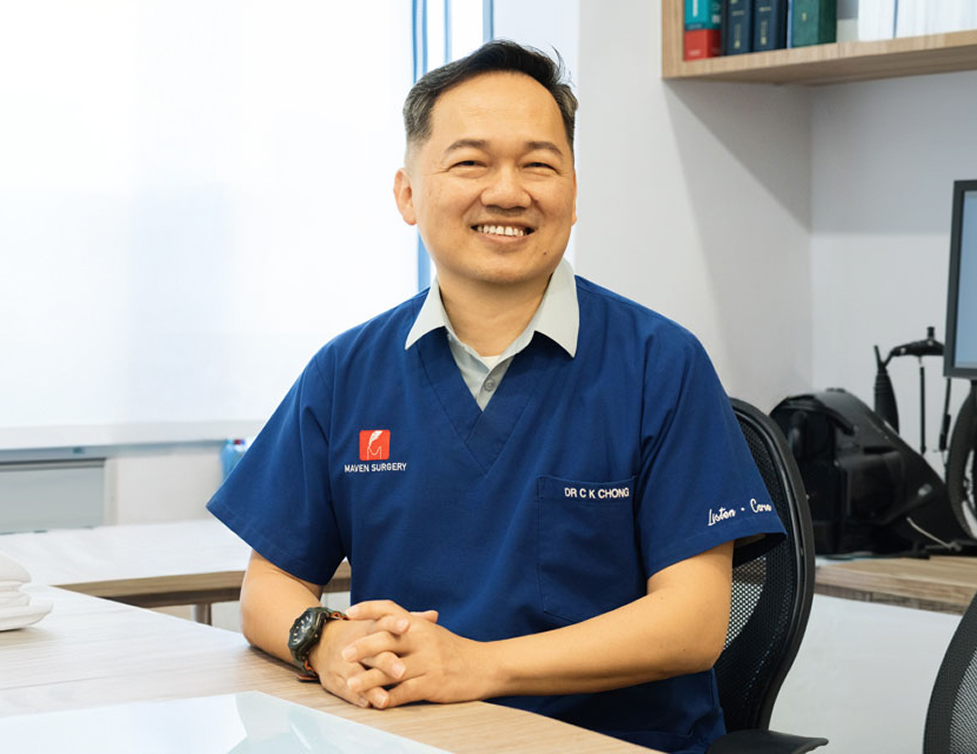
Dr Chong Chee Keong
Breast, Colorectal and General Surgeon
MBBS (Singapore), FRCS (Edinburgh), FRCS (Glasgow), FAMS (Singapore)
Specialist Accreditation in Intensive Care Medicine
Specialists Accreditation Board
Dr Chong has over two decades of experience in colorectal and general surgery, providing comprehensive care for patients with piles (haemorrhoids). He is experienced in both non-surgical and surgical treatment options, including minimally invasive techniques where appropriate, tailoring each treatment plan to the type and severity of the condition. Known for his clear communication and patient-centred approach, Dr Chong takes the time to explain every treatment option, helping patients make informed decisions and feel supported throughout their care.
“Your Partner in Every Step of Recovery and Beyond”
For appointments and enquiries, contact us via form below or call us at (+65) 6355 5285

Mount Elizabeth Novena Specialist Centre
38 Irrawaddy Road #06-33,Singapore 329563
Parkway East Medical Centre
319 Joo Chiat Place #02-05,Singapore 427989
Farrer Park Medical Centre
1 Farrer Park Station Rd #15-13,Singapore 217562
Tel : (+65) 6355 5285
Whatsapp : (+65) 6355 5285
Operating Hours: Monday to Friday: 9:00 AM to 5:00 PM Saturday: 9:00 AM to 1:00 PM Closed on Sundays and Public Holidays