Have you been experiencing the following?
- Rectal bleeding
- Changes in bowel habits
- Persistent abdominal pain
- Unexplained weight loss
If so, you may require a colorectal screening.


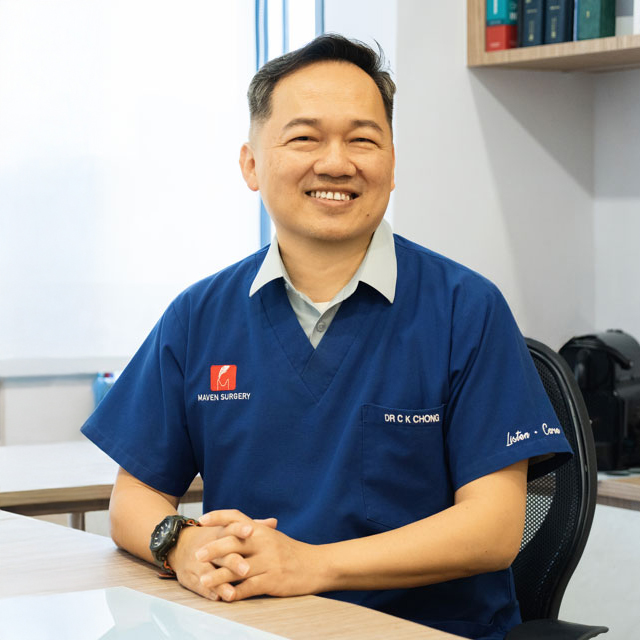
Dr Chong Chee Keong
Breast, Colorectal and General Surgeon
MBBS (Singapore), FRCS (Edinburgh), FRCS (Glasgow), FAMS (Singapore)
Specialist Accreditation in Intensive Care Medicine
Specialists Accreditation Board
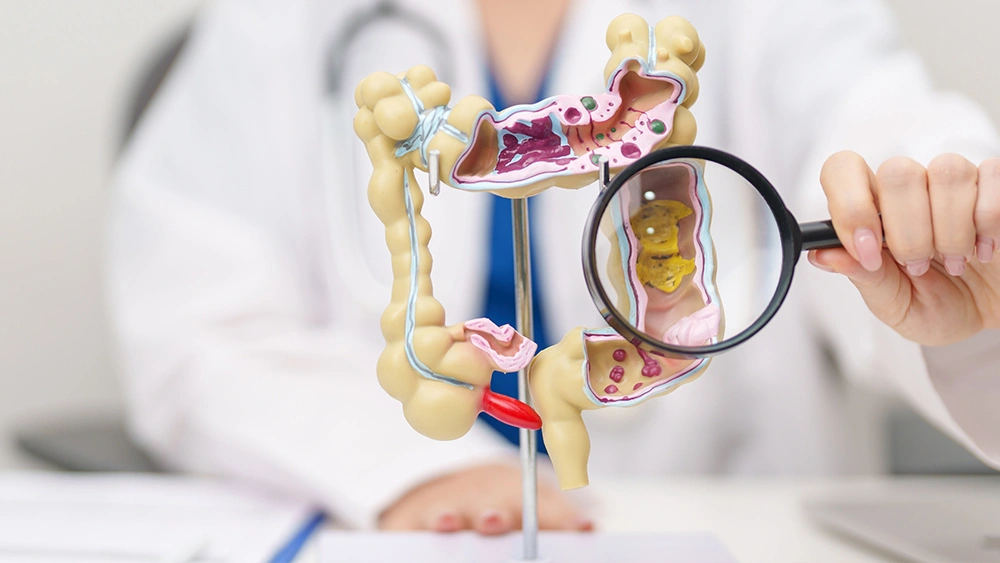
Colorectal cancer is the second most common cancer in Singapore, with close to 13,000 cases diagnosed between 2019 and 2023. Many of these cases develop from precancerous growths known as polyps, which may not cause noticeable symptoms in the early stages. A colonoscopy plays an important role in colorectal cancer screening by allowing doctors to examine the colon and rectum for abnormalities and remove suspicious polyps before they develop into cancer.
At Maven Surgery, Dr Chong Chee Keong provides colonoscopy screening and diagnostic evaluation tailored to each patient’s risk factors, symptoms and overall health needs. As a breast, colorectal and general surgeon with extensive experience in colorectal conditions, he focuses on early detection, accurate diagnosis and personalised care to support long-term colorectal health.
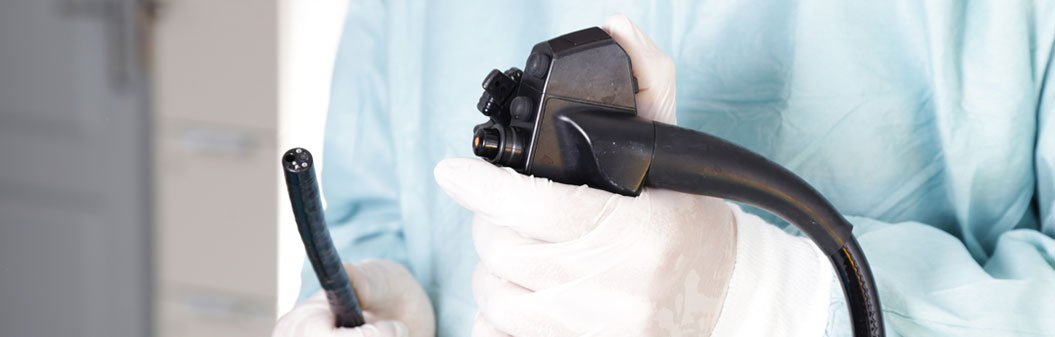
A colonoscopy is a procedure used to examine the inner lining of the colon and rectum for abnormalities such as polyps, inflammation, bleeding or signs of colorectal cancer. During the procedure, a thin flexible tube with a small camera at its tip, known as a colonoscope, is gently inserted through the rectum to allow detailed visual assessment of the large intestine.. This is typically done under sedation to help patients remain comfortable throughout the examination.
Colonoscopy is commonly performed for colorectal cancer screening, particularly in individuals with higher risk factors such as a family history of colorectal cancer or polyps. It may also be recommended for patients experiencing symptoms such as rectal bleeding, changes in bowel habits, unexplained abdominal pain or persistent bloating.
One of the key advantages of a colonoscopy is that it can both detect and treat certain abnormalities during the same procedure. If polyps are identified, they can often be removed immediately and sent for further testing. This helps reduce the risk of precancerous polyps developing into colorectal cancer over time.
For most adults with an average colorectal cancer risk, they should go for a colonoscopy screening at the age of 50. If no polyps or abnormalities are found, the next colonoscopy is usually recommended 10 years later.
Patients with higher colorectal cancer risk often need earlier and more frequent screening. This includes individuals with:
In these cases, screening may begin before the age of 50 and surveillance colonoscopies may be performed every few years depending on previous findings.
Have you been experiencing the following?
If so, you may require a colorectal screening.
In order for your doctor to clearly view the inside of your colon, you will need to take several steps to prepare yourself for this procedure. Your doctor will discuss this process with you and provide guidance during a preliminary consultation session.
Patients are usually advised to begin a low-fibre diet one to two days before the colonoscopy. Patients must avoid food such as vegetables, fruits, wholegrains and nuts, as these tend to leave high amounts of residue within the colon. They should also avoid food rich in natural or artificial dye, such as red of purple-coloured liquids, beetroot, or soft drinks. Instead, patients should consume:
On the day before the procedure, patients are generally switched to a clear liquid diet. This may include water, clear soups, plain tea or coffee and clear isotonic drinks.
A bowel preparation solution or laxative is prescribed to empty the colon before the colonoscopy. This is typically taken the evening before the procedure and sometimes repeated on the morning of the examination.
Frequent bowel movements and watery stools are expected during this process, as the goal is to clear the colon completely for better visualisation.
Certain medications may need to be adjusted before the procedure, particularly blood thinners, diabetic medications or supplements containing iron. Patients should inform their doctor about all medications and medical conditions beforehand so appropriate instructions can be given safely.
Patients are usually required to stop eating and drinking for several hours before the procedure, especially if sedation is planned. Fasting helps reduce the risk of complications during sedation, such as food or liquids entering the lungs while the patient is asleep. Patients will be given specific instructions on when to stop consuming solid foods and clear liquids before the colonoscopy appointment.
Once these measures have been taken, your specialist can proceed with the colonoscopy. Proper preparation is important, as missing or neglecting these steps could force the colonoscopy to be rescheduled due to improper conditions for imaging.
Colonoscopy screening is performed in a structured and carefully monitored manner. We utilise a step-by-step approach to ensure that patients are properly prepared, kept comfortable during the procedure and guided clearly through their results and follow-up care.
Upon arrival, patients will be admitted and prepared for the colonoscopy procedure. Our medical team will review the bowel preparation completed beforehand, confirm relevant medical history and provide final checks to ensure patients are fit to proceed safely with the colonoscopy.
Sedation or anaesthesia will then be administered to help patients remain comfortable throughout the procedure. Once sedated, a colonoscope is gently inserted through the rectum and guided through the large intestine. The camera attached to the colonoscope allows our doctor to examine the lining of the colon and rectum for polyps, inflammation, bleeding or signs of colorectal cancer. The procedure is typically completed in less than 1 hour.
If polyps or suspicious growths are identified during the colonoscopy, they can often be removed immediately through a procedure known as polypectomy. A specialised tool is threaded through the colonoscope, allowing your doctor to perform the procedure straight away. Removing these polyps is an important part of colorectal cancer prevention, as some polyps may become cancerous over time if left untreated. Tissue samples may also be collected for laboratory testing where necessary.
After the colonoscopy, patients are monitored in the recovery area while the effects of sedation wear off. Once stable, patients are usually discharged on the same day with post-procedure care instructions. Dr Chong will review the colonoscopy findings and advise whether further follow-up, surveillance colonoscopy or additional treatment is required based on the results.
Early detection and timely polyp removal can significantly reduce the risk of colorectal cancer. If you are due for colorectal cancer screening or have been experiencing digestive symptoms, a colonoscopy at Maven Surgery may be appropriate for you.
After the colonoscopy, most patients are able to return home on the same day, and normal eating and daily activities can gradually be resumed shortly after the procedure. It is common for patients to experience mild bloating, gas or abdominal discomfort for the next 24 hours. Patients are generally advised to rest for the remainder of the day and avoid driving or strenuous activity.
If colon polyps, inflammation or other colorectal abnormalities are identified during the colonoscopy, you will be guided clearly through the findings, and Dr Chong will address the recommended next steps and any follow-up care or surgical procedures required.
Colonoscopy remains one of the most effective tools for detecting colorectal abnormalities early and preventing colorectal cancer through timely polyp removal. Whether performed for routine screening, to evaluate symptoms or to identify recurring polyps, a colonoscopy allows for detailed assessment of the colon and supports earlier intervention when abnormalities are identified.
At Maven Surgery, our colorectal clinic in Singapore, colonoscopy screenings are performed by Dr Chong Chee Keong, a general surgeon experienced in the diagnosis and management of colorectal conditions. If you are experiencing persistent digestive symptoms, have one or more risk factors for colon cancer, or have reached the recommended age to begin screening, schedule a consultation with us today to discuss whether a colonoscopy may be appropriate for you.

Fast screening appointment
Comprehensive review
Affordablepricing
Dr Chong Chee Keong
Breast, Colorectal and General Surgeon
MBBS (Singapore), FRCS (Edinburgh), FRCS (Glasgow), FAMS (Singapore)
Specialist Accreditation in Intensive Care Medicine
Specialists Accreditation Board
Dr Chong has over two decades of experience in colorectal treatment, providing comprehensive care from diagnosis to surgery and post-operative recovery. He is skilled in advanced techniques for colorectal surgery, including minimally invasive approaches that reduce recovery time and improve outcomes. Known for his clear communication and patient-focused approach, Dr Chong ensures every patient understands their treatment plan and feels supported throughout their journey.
“Your Partner in Every Step of Recovery and Beyond”
For appointments and enquiries, contact us via form below or call us at (+65) 6355 5285
Mount Elizabeth Novena Specialist Centre
38 Irrawaddy Road #06-33,Singapore 329563
Parkway East Medical Centre
319 Joo Chiat Place #02-05,Singapore 427989
Farrer Park Medical Centre
1 Farrer Park Station Rd #15-13,Singapore 217562
Tel : (+65) 6355 5285
Whatsapp : (+65) 6355 5285
Operating Hours: Monday to Friday: 9:00 AM to 5:00 PM Saturday: 9:00 AM to 1:00 PM Closed on Sundays and Public Holidays