


Mammogram Screening in Singapore
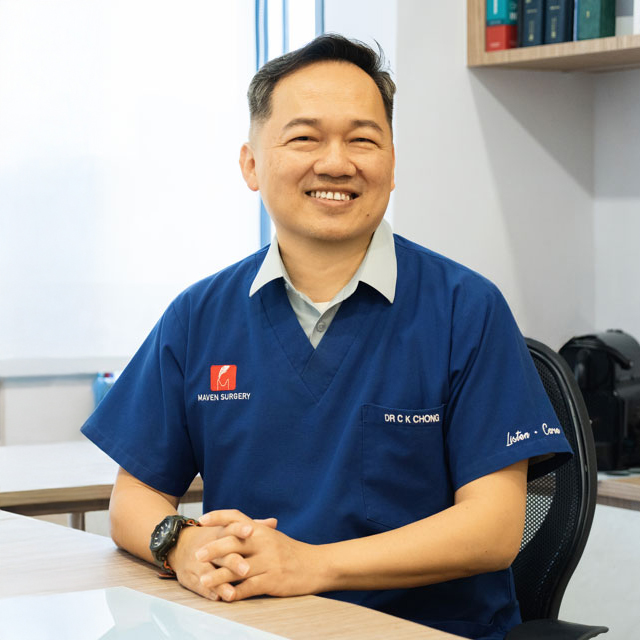
Dr Chong Chee Keong
Breast, Colorectal and General Surgeon
MBBS (Singapore), FRCS (Edinburgh), FRCS (Glasgow), FAMS (Singapore)
Specialist Accreditation in Intensive Care Medicine
Specialists Accreditation Board
Breast cancer is one of the most common cancers affecting women in Singapore, with more than 2,000 women diagnosed each year. In many cases, it develops without obvious symptoms in its early stages. This is why regular breast cancer screening plays an important role in identifying abnormalities before they become more advanced and treatment becomes more complicated.
At Maven Surgery, we provide breast cancer screening and diagnostic assessment tailored to each patient’s age, risk factors and breast health concerns. Dr Chong Chee Keong focuses on early detection, careful evaluation and personalised patient care to support long-term breast health.
What Is a Mammogram?
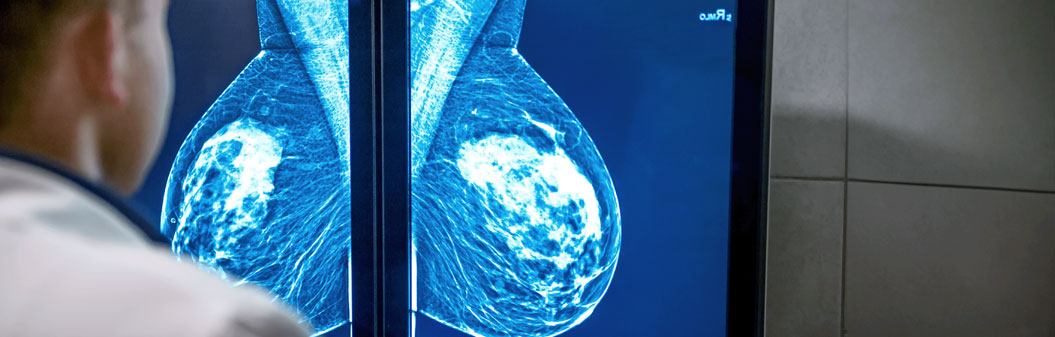
A mammogram is a specialised low-dose X-ray examination of the breast used to screen for and detect breast abnormalities. It is considered the primary screening tool for the early detection of breast cancer, particularly before symptoms or breast lumps become noticeable.
During a mammogram, detailed images of the breast tissue, known as mammograms, are taken to identify changes within the breast that may be too small to be felt during a physical examination. These may include small masses, calcifications or subtle tissue changes that could indicate early breast cancer or other breast conditions.
Who Should Schedule a Mammogram?
Different groups of women may benefit from mammogram screening at different stages of life. Factors such as age, breast cancer risk, previous breast findings and the presence of symptoms all play a role in determining when screening or further breast evaluation may be appropriate.
Women Aged 40–49
Women aged 40 –49 are generally encouraged to begin regular mammogram screening, particularly if they have additional breast cancer risk factors.
Women Aged 50 and Above
For women aged 50 and above, regular mammogram screening is strongly recommended, as the risk of breast cancer increases with age.
Women with Higher Breast Cancer Risk
Women with a strong family history of breast cancer, inherited genetic mutations or previous breast abnormalities may require earlier or more frequent screening. Maintaining regular mammogram intervals is important, as consistent screening improves the likelihood of detecting breast cancer at an earlier and more treatable stage.
Women Experiencing Unusual Symptoms
A mammogram may also be recommended for women experiencing breast symptoms that require further evaluation, including:
- Breast lumps or thickening
- Persistent breast pain
- Nipple discharge
- Skin dimpling or puckering
- Changes in breast shape or size
- Nipple inversion
- Redness or unusual skin changes over the breast
In general, mammograms are commonly performed every 1–2 years, but this interval may decrease for women with ongoing symptoms, risk factors or long-term breast health monitoring plans.
Early breast evaluation allows abnormalities to be investigated promptly and supports earlier treatment when necessary. If you are due for breast cancer screening or have noticed changes in your breasts, a mammogram may help detect abnormalities before they become more advanced.
Schedule an AppointmentIs Mammogram Screening Painful?
Mammograms are generally well-tolerated and not considered painful. However, some women may experience temporary discomfort or pressure during a mammogram, as the breast needs to be compressed between two plates while the X-ray images are taken. The level of discomfort varies from person to person, but the compression usually lasts only a few seconds for each image.
This compression is necessary because it helps spread out the breast tissue, producing clearer mammogram images and improving the detection of small abnormalities that may otherwise be difficult to identify. Proper compression also reduces movement during the scan and lowers the amount of radiation needed.
There are several ways to help make the experience more comfortable, including scheduling the mammogram when the breasts are less tender, avoiding screening close to menstruation and remaining as relaxed as possible during the procedure.
How Dense Breast Tissue Can Affect Mammogram Accuracy
Dense breast tissue refers to breasts that contain higher amounts of glandular and fibrous tissue compared to fatty tissue. Dense breasts are common and are not abnormal, but they can make mammogram interpretation more challenging.
For women with dense breast tissue, additional imaging such as breast ultrasound may sometimes be recommended alongside mammogram screening. Ultrasound uses sound waves rather than X-rays and can help evaluate breast tissue differently, particularly when assessing areas that may be less clearly seen on a mammogram.
How to Prepare for a Mammogram
Preparing for a mammogram is generally straightforward, with no fasting or preliminary medication required. However, following a few simple steps can help improve image quality and make the screening process more comfortable.
- Avoid deodorant, lotions or powders: Products applied around the breast or underarm area may appear on mammogram images and interfere with image interpretation.
- Wear a two-piece outfit: Wearing a separate top and bottom makes it easier to change for the mammogram, as only clothing from the upper body needs to be removed.
- Remove jewellery around the chest and neck area: Necklaces and chest-area accessories should be removed before the scan to prevent obstruction during imaging.
- Bring previous breast imaging results: Previous mammograms, breast ultrasounds or other breast imaging reports may help the specialist compare past and current findings more accurately.
Our Mammogram Screening Process
Mammogram screening is performed in a structured and carefully guided manner to support accurate breast imaging and patient comfort throughout the procedure.
Step 1: Registration and Preparation
Upon arrival, patients will be guided through registration and preparation before the mammogram begins. The radiographer may review relevant breast symptoms, previous breast imaging history and any recent breast concerns before the examination.
Step 2: Breast Positioning and Mammogram Imaging
During the mammogram, each breast is positioned carefully on the imaging platform while compression is applied briefly to obtain clear X-ray images. Several images are usually taken from different angles to allow detailed assessment of the breast tissue.
Although the compression may feel uncomfortable temporarily, it is necessary to improve image clarity and support the detection of small abnormalities.
Step 3: Completion of the Mammogram
The mammogram itself is usually completed within a short period of time, with the entire appointment commonly taking less than 30 minutes. Once the imaging is completed, patients are generally able to resume their usual daily activities immediately afterwards.
Understanding Your Results and Next Steps
After your mammogram screening, the images will be reviewed carefully by our specialist, Dr Chong, to assess for any abnormalities or changes within the breast tissue. In some cases, no further action may be required apart from continuing routine breast cancer screening at the recommended intervals.
If suspicious findings, breast abnormalities or areas requiring closer assessment are identified, additional investigations such as breast ultrasound, biopsy or further breast imaging may be recommended. Where treatment is required, patients will also be guided through the appropriate breast care and breast cancer treatment options available at our clinic.
Supporting Early Breast Cancer Detection Through Mammogram Screening
Mammogram screening remains one of the most important tools for detecting breast cancer early, often before noticeable symptoms or breast lumps develop. Regular breast screening supports earlier diagnosis, improves treatment outcomes and increases the likelihood of identifying breast abnormalities at a more manageable stage.
At Maven Surgery, our breast care clinic in Singapore, mammogram screenings and other assessments are led by Dr Chong Chee Keong, a general surgeon experienced in the evaluation and management of various breast conditions. If you are due for routine breast screening or have noticed unusual changes or symptoms, schedule a consultation with us today to discuss whether a mammogram may be appropriate for you.
Frequently Asked Questions About Mammograms
Is mammogram screening safe?
What happens if my mammogram shows an abnormality?
Can I get a mammogram if I have breast implants?
What is the difference between a mammogram and a breast ultrasound?
Do I still need a mammogram if I have no family history of breast cancer?

Fast screening appointment
Comprehensive review
Affordablepricing
Our Mammogram Screening Specialist in Singapore
Dr Chong Chee Keong
Breast, Colorectal and General Surgeon
MBBS (Singapore), FRCS (Edinburgh), FRCS (Glasgow), FAMS (Singapore)
Specialist Accreditation in Intensive Care Medicine
Specialists Accreditation Board
Dr Chong Chee Keong has extensive experience in breast health assessment and breast cancer care, with a strong focus on early detection and timely investigation of suspicious breast findings. His practice involves the evaluation and management of a wide range of breast conditions, including abnormal mammogram findings and breast cancer diagnosis.
Dr Chong places strong emphasis on personalised breast screening recommendations, careful interpretation of breast imaging findings and clear patient communication. He works closely with patients to guide them through further evaluation, follow-up imaging and treatment planning where necessary.
“Your Partner in Every Step of Recovery and Beyond”
For appointments and enquiries, contact us via form below or call us at (+65) 6355 5285
Mount Elizabeth Novena Specialist Centre
38 Irrawaddy Road #06-33,Singapore 329563
Parkway East Medical Centre
319 Joo Chiat Place #02-05,Singapore 427989
Farrer Park Medical Centre
1 Farrer Park Station Rd #15-13,Singapore 217562
Tel : (+65) 6355 5285
Whatsapp : (+65) 6355 5285
Operating Hours: Monday to Friday: 9:00 AM to 5:00 PM Saturday: 9:00 AM to 1:00 PM Closed on Sundays and Public Holidays