


Breast Cancer Screening in Singapore
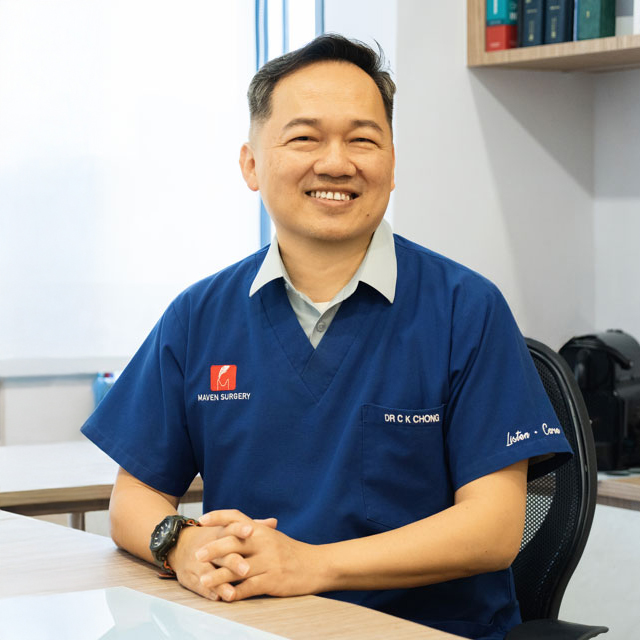
Dr Chong Chee Keong
Breast, Colorectal and General Surgeon
MBBS (Singapore), FRCS (Edinburgh), FRCS (Glasgow), FAMS (Singapore)
Specialist Accreditation in Intensive Care Medicine
Specialists Accreditation Board
Breast cancer is one of the most commonly diagnosed cancers in Singapore, but early detection through regular screening can make a meaningful difference in outcomes. As part of preventive care, screening helps identify changes at an early, more treatable stage.
At Maven Surgery, patients benefit from a structured, specialist-led screening process supported by modern diagnostic tools. From initial assessment to follow-up, our focus is on screening accuracy, clear communication and helping patients make confident, informed decisions about their breast health.
What Is Breast Cancer Screening and Why Is It Important?
Breast cancer screening refers to the use of medical tests to detect signs of breast cancer in individuals who do not yet show any symptoms. The goal is to identify abnormalities at an early stage, often before a lump can be felt or noticeable changes occur.
In many cases, early-stage breast cancer may not present with obvious symptoms, which is why routine screening is recommended even for individuals who feel well. Early detection is critical because breast cancer in its initial stages is typically more localised and easier to treat. This can lead to:
- Higher treatment success rates
- Lesser need for extensive surgical intervention
- Greater likelihood of breast-conserving approaches
- Improved long-term survival outcomes
Taking a proactive approach to breast screening can support early detection and improve treatment outcomes.
Book a Breast Cancer ScreeningWhen Should You Start Regular Breast Cancer Screening?
For women at average risk levels, regular screening is recommended from the age of 40 onwards.
However, certain groups of women have a higher risk of developing breast cancer and may benefit from starting screening earlier or undergoing more frequent monitoring.
You may be advised to consider early or more regular screening if you have:
- A family history of breast cancer
- A personal history of breast conditions or previous breast cancer
- Hormonal factors such as early menstruation or late menopause
- Denser breast tissue, which is associated with an increase in glandular and fibrous tissue
Breast cancer specialists are able to analyse these factors and determine the most suitable screening approach based on a patient’s clinical profile.
What Are the Common Types of Breast Cancer Screening Tests?
In order to provide a more complete assessment, we may utilise one or more breast cancer screening tests, each serving a specific role in detecting and evaluating abnormalities.
Mammogram
A mammogram is the primary screening tool for breast cancer and is widely recommended for routine screening. It uses low-dose X-rays to detect early changes in breast tissue, including small tumours or calcifications that may not be felt during a physical examination.
Mammograms are typically used for women aged 40 and above as part of routine screening. For younger individuals, screening or evaluation may be recommended based on symptoms, risk factors or clinical findings. However, mammogram sensitivity may be reduced in individuals with denser breast tissue, as abnormalities can be obscured, in which case ultrasound may be used to complement findings.
Ultrasound
Breast ultrasound screening uses sound waves to create detailed images of breast tissue and is often used as a supplementary test when further evaluation is needed.
It is useful for distinguishing between solid masses and fluid-filled cysts and does not involve radiation. While not typically used as a standalone screening tool, it plays an important role in improving diagnostic accuracy and clarifying findings from mammograms.
Not sure when to start breast screening or what your risk may be?
A specialist assessment can help guide the most appropriate approach for your needs.
Understanding Your Screening Results: What Happens Next?
After your screening, your results will be carefully reviewed to determine if any abnormalities are present and whether further evaluation is needed.
In many cases, results are normal. This means no suspicious findings were detected and you can continue with routine screening at the recommended intervals based on your age and risk profile.
If an abnormality is identified, it does not necessarily mean breast cancer is present. Many findings, such as cysts or benign changes, are non-cancerous. However, additional tests may be required to better understand the nature of the finding and confirm the presence of cancer cells.
Depending on the results, the next steps may include:
- Repeat imaging to obtain a clearer or more detailed view
- Additional imaging tests to further evaluate a specific area
- A biopsy, where a small sample is taken for laboratory analysis, if there is a need for a definitive diagnosis
Each case is assessed individually and any follow-up is guided by the imaging findings and your overall clinical profile. Your doctor will explain the results in clear terms, discuss what they mean and outline the most appropriate next steps.
A structured approach to screening helps ensure timely evaluation, minimise unnecessary procedures and provide reassurance at every stage.
Prioritise Breast Health with Early Screening at Maven Surgery
Breast conditions may not always present with obvious symptoms, which is why regular screening plays an important role in early detection and timely intervention. Whether you are attending a routine screening or have identified potential risk factors, a timely evaluation can help identify changes early and guide your next steps.
At Maven Surgery, screening is guided by careful evaluation, clinical precision and patient-focused care. Dr Chong Chee Keong, our breast cancer specialist, works closely with each patient to recommend appropriate screening strategies, explain findings clearly and ensure that any follow-up is managed with confidence and clarity.
Contact us today to book an appointment and receive a personalised breast screening plan tailored to your unique needs.
Frequently Asked Questions About Breast Cancer Screening
Can a breast ultrasound replace a mammogram?
How soon will I get my breast screening results?
Can I go for a mammogram if I have breast implants?
Is breast cancer screening painful?
What should I wear or avoid on the day of my screening?
Our Breast Surgeon in Singapore
Dr Chong Chee Keong
Breast, Colorectal and General Surgeon
MBBS (Singapore), FRCS (Edinburgh), FRCS (Glasgow), FAMS (Singapore)
Specialist Accreditation in Intensive Care Medicine
Specialists Accreditation Board
Dr Chong Chee Keong has more than 20 years of experience caring for patients with breast cancer. His practice covers the full spectrum of breast cancer surgery, from early-stage disease to more complex cases requiring coordinated, multidisciplinary care.
As a dual-fellowship trained surgeon, Dr Chong places strong emphasis on personalised treatment planning, clear communication and long-term follow-up. He works closely with medical and radiation oncologists to ensure that each patient receives coordinated care that supports recovery, confidence, and overall well-being.
“Your Partner in Every Step of Recovery and Beyond”
For appointments and enquiries, contact us via form below or call us at (+65) 6355 5285

Mount Elizabeth Novena Specialist Centre
38 Irrawaddy Road #06-33,Singapore 329563
Parkway East Medical Centre
319 Joo Chiat Place #02-05,Singapore 427989
Farrer Park Medical Centre
1 Farrer Park Station Rd #15-13,Singapore 217562
Tel : (+65) 6355 5285
Whatsapp : (+65) 6355 5285
Operating Hours: Monday to Friday: 9:00 AM to 5:00 PM Saturday: 9:00 AM to 1:00 PM Closed on Sundays and Public Holidays