


How Often Is Colorectal Cancer Screening Recommended?

Dr Chong Chee Keong
Breast, Colorectal and General Surgeon
MBBS (Singapore), FRCS (Edinburgh), FRCS (Glasgow), FAMS (Singapore)
Specialist Accreditation in Intensive Care Medicine
Specialists Accreditation Board, Medical Director & Senior Consultant
Dr Chong Chee Keong Breast, Colorectal and General Surgeon MBBS (Singapore), FRCS (Edinburgh), FRCS (Glasgow), FAMS (Singapore) Specialist Accreditation in Intensive Care Medicine Specialists Accreditation Board, Medical Director & Senior Consultant
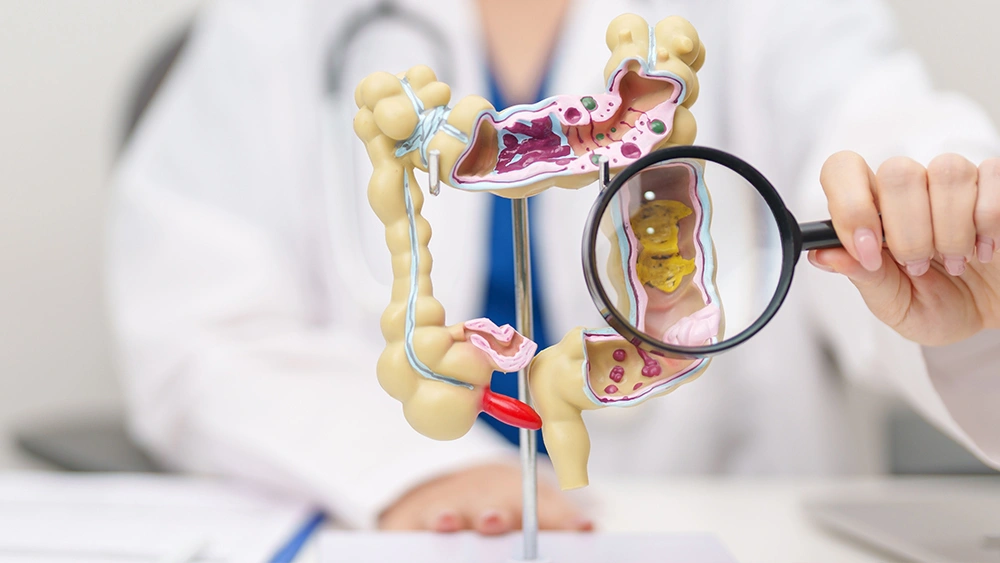
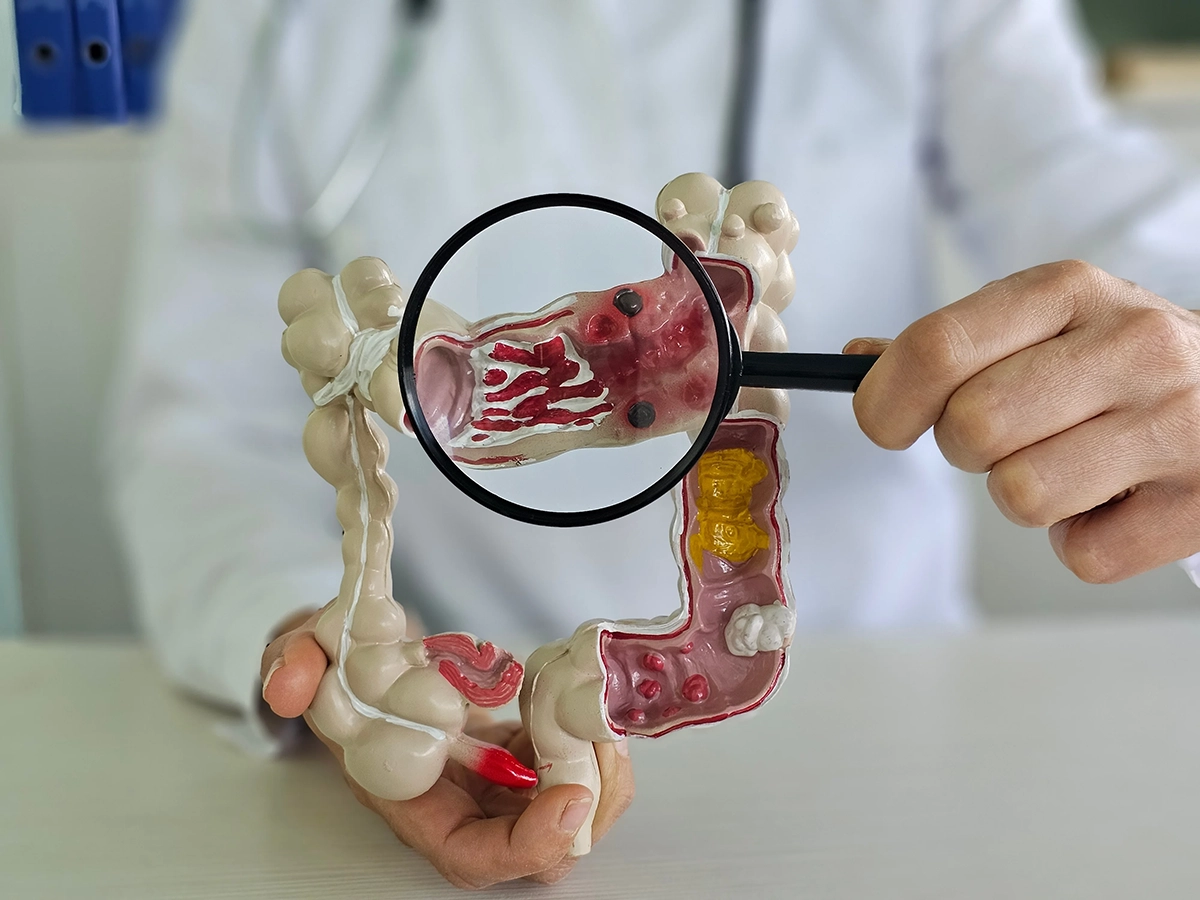
Many people know that colorectal cancer screening is recommended but may be unsure when to start or how often it should be repeated. Because colorectal cancer often develops without noticeable symptoms in its early stages, routine screening plays an important role in detecting cancer early and identifying precancerous polyps before they develop into cancer.
While most people at average risk should begin screening from age 50, the recommended screening interval depends on the type of screening test used and individual risk factors, such as your age and personal and family medical history. Understanding these recommendations can help you receive the right screening at the right time.
How Often Should You Get Screened for Colorectal Cancer?
For people at average risk, the recommended screening interval depends on the type of colorectal cancer screening test used.
- Faecal immunochemical test (FIT): Usually performed once a year because it detects hidden blood in the stool at a single point in time.
- Colonoscopy: Usually repeated every 10 years if no abnormalities are found, as it allows the doctor to examine the entire colon and remove precancerous polyps during the procedure.
Your doctor will recommend the most appropriate screening schedule after considering your age, personal and family medical history, previous screening findings and overall risk of colorectal cancer.
Who Should Get Screened Earlier or More Frequently?
Some people have a higher risk of developing colorectal cancer and may benefit from earlier or more frequent screening than the standard recommendations.
You may require a different screening schedule if you have:
- A personal history of colorectal polyps or colorectal cancer
- A family history of colorectal cancer or advanced colorectal polyps
- Inflammatory bowel disease, including ulcerative colitis or Crohn's disease
- An inherited condition that increases colorectal cancer risk, such as Lynch syndrome or familial adenomatous polyposis (FAP)
If abnormalities are found during screening, your doctor may also recommend earlier follow-up to monitor for new polyps or other changes. If you are unsure when to begin screening or whether you require more frequent screening, a colorectal specialist can assess your individual risk and recommend an appropriate screening schedule.
Which Colorectal Cancer Screening Test Is Right for You?
The most suitable colorectal cancer screening test depends on your individual risk factors, medical history and whether you have any symptoms. Your doctor will recommend the most appropriate option after considering these factors.
Faecal Immunochemical Test (FIT)
The faecal immunochemical test (FIT) is a non-invasive stool test that checks for hidden blood, which may be an early sign of colorectal cancer or large polyps. It is commonly recommended for people at average risk because it is simple to perform and can be completed at home.
If blood is detected, further assessment with a colonoscopy is usually recommended to identify the source of the bleeding.
Colonoscopy
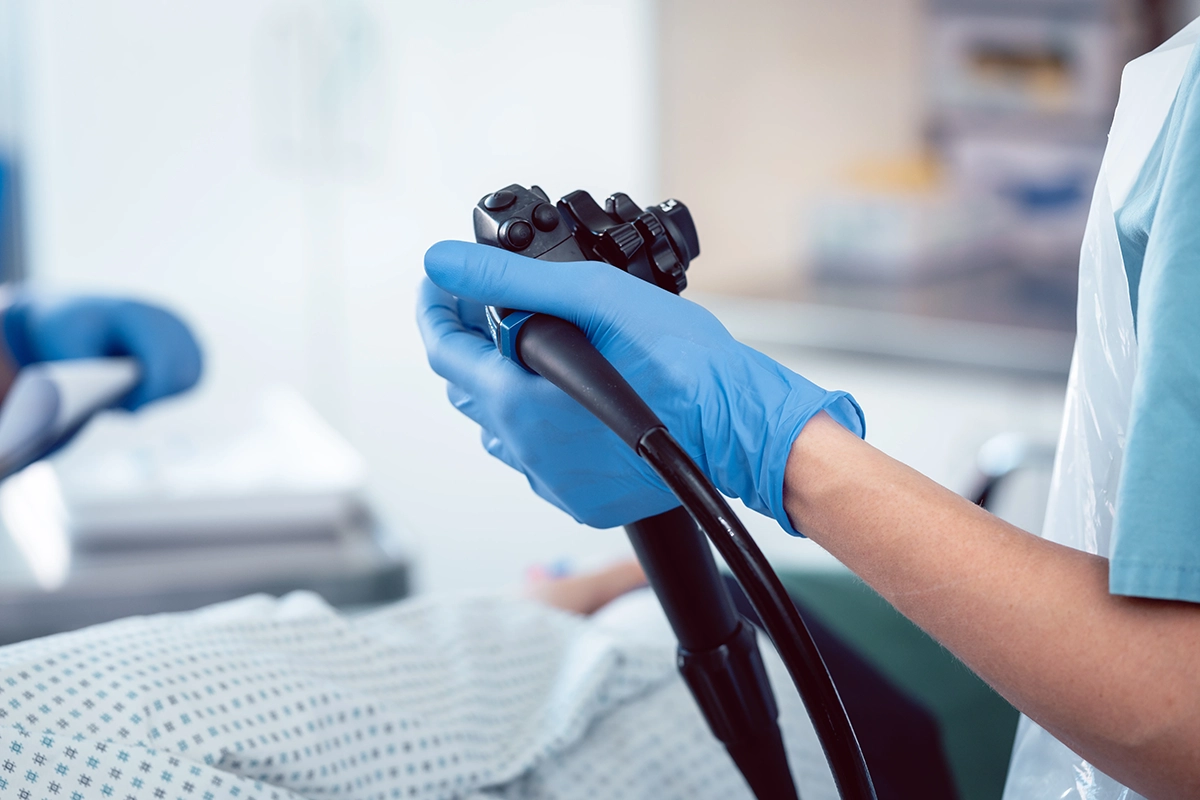
A colonoscopy uses a flexible camera to examine the lining of the colon and rectum. Unlike stool-based screening tests, it allows the doctor to directly identify abnormalities, remove polyps and take tissue samples for laboratory analysis during the same procedure.
It is often recommended for people with symptoms, those at increased risk of colorectal cancer or anyone with an abnormal FIT result.
Other Screening Tests
Other screening methods, such as CT colonography or flexible sigmoidoscopy, may be appropriate in selected situations. While these tests can provide useful information, they may not be suitable for everyone and additional investigations may still be needed if abnormalities are detected.
Your doctor will explain the advantages and limitations of each option and recommend the screening test that best matches your individual needs.
Stay Proactive with Colorectal Cancer Screening at Maven Surgery
Choosing the most appropriate colorectal cancer screening schedule begins with understanding your individual risk factors and when screening is recommended for you. If you are unsure when to begin colorectal cancer screening, are due for routine screening, have a family history, consulting a colorectal specialist can help you better understand your options and the most appropriate next steps.
Maven Surgery is a colorectal surgery clinic in Singapore providing comprehensive care for patients with a wide range of benign and cancerous colorectal conditions. The clinic is led by Dr Chong Chee Keong, a dual-fellowship-trained breast and colorectal surgeon with extensive experience in cancer care and minimally invasive surgical techniques. Consult our specialist for an individualised assessment and recommendations on the most appropriate colorectal cancer screening approach for your health needs.
FAQs About Colorectal Cancer Screening Frequency
I feel healthy. Do I still need colorectal cancer screening?
Will my screening schedule stay the same throughout my life?
Will I need more frequent screening if my screening result is abnormal?
Should I choose FIT or a colonoscopy for colorectal cancer screening?
If my colonoscopy is normal, do I still need future screening?
Meet Our Specialist
Dr Chong Chee Keong Breast, Colorectal and General Surgeon MBBS (Singapore), FRCS (Edinburgh), FRCS (Glasgow), FAMS (Singapore) Specialist Accreditation in Intensive Care Medicine Specialists Accreditation Board, Medical Director & Senior Consultant
Dr Chong Chee Keong is a Breast, Colorectal and General Surgeon with over 20 years of clinical experience. Dual-fellowship trained and highly accredited, he founded Maven Surgery with a commitment to elevating the standard of care for breast and colorectal cancers, the two most common cancers affecting women and men.
Dr Chong works closely with multidisciplinary teams of surgical, medical and radiation oncologists and remains actively involved in international cancer conferences to stay at the forefront of advancing techniques. He has a strong focus on minimally invasive surgery, recognising the importance of preserving self-image while maintaining treatment safety and effectiveness.
“Your Partner in Every Step of Recovery and Beyond”
For appointments and enquiries, contact us via form below or call us at (+65) 6355 5285
Mount Elizabeth Novena Specialist Centre
38 Irrawaddy Road #06-33,Singapore 329563
Parkway East Medical Centre
319 Joo Chiat Place #02-05,Singapore 427989
Farrer Park Medical Centre
1 Farrer Park Station Rd #15-13,Singapore 217562
Tel : (+65) 6355 5285
Whatsapp : (+65) 6355 5285
Operating Hours: Monday to Friday: 9:00 AM to 5:00 PM Saturday: 9:00 AM to 1:00 PM Closed on Sundays and Public Holidays
