


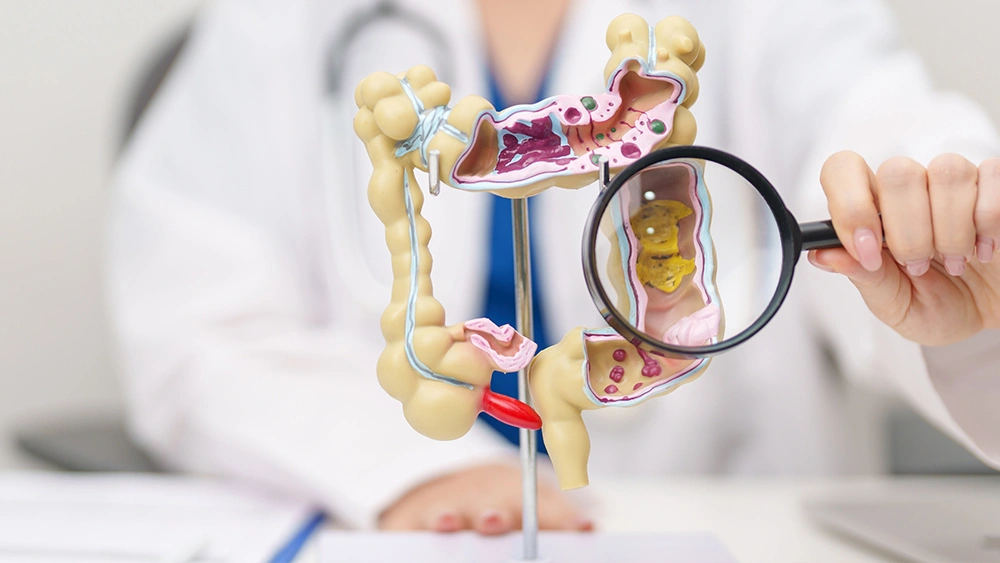
Screening Methods for Early Detection of Colorectal Cancer

Dr Chong Chee Keong
Breast, Colorectal and General Surgeon
MBBS (Singapore), FRCS (Edinburgh), FRCS (Glasgow), FAMS (Singapore)
Specialist Accreditation in Intensive Care Medicine
Specialists Accreditation Board, Medical Director & Senior Consultant
Colorectal cancer often develops silently over many years, making proactive screening essential for timely intervention. By detecting abnormal growths or early malignancies before they progress, screening methods offer a powerful opportunity to prevent cancer or catch it at a more treatable stage. Understanding the benefits, limitations and appropriate use of these methods is essential for both healthcare providers and individuals in making informed decisions about preventive care.
How Is Colorectal Cancer Detected Early?
Several colorectal cancer screening tests are available to detect the disease at an early stage. These tests help identify abnormal growths, bleeding or other signs of disease before noticeable symptoms develop. The most appropriate screening method may vary depending on a person’s age, risk factors, medical history and a doctor’s recommendation.
Colonoscopy
Colonoscopy is considered one of the most effective screening tests for colorectal cancer. During this procedure, a doctor uses a long, flexible tube with a small camera called a colonoscope to examine the inner lining of the colon and rectum.
This method allows doctors to directly visualise the colon and rectum to identify abnormalities such as polyps, inflammation or suspicious tissue. If polyps are found, they can often be removed during the same procedure, which helps prevent them from developing into cancer over time.
A colonoscopy is typically performed under sedation for patient comfort and usually takes 30 to 60 minutes to complete.
Faecal Immunochemical Test / Faecal Occult Blood Test
The faecal immunochemical test (FIT) and faecal occult blood test (FOBT) are non-invasive colorectal cancer screening tests that detect small traces of blood in the stool, which may be an early sign of colorectal cancer or other colorectal conditions.
These tests are usually performed at home using a stool sample kit, making them a convenient option for routine colorectal cancer screening. However, if blood is detected in the sample, a follow-up colonoscopy is usually recommended to determine the underlying cause.
Other Imaging-based Screening Methods
In some cases, doctors may recommend imaging-based colorectal screening methods, particularly when colonoscopy is not suitable or when additional evaluation is required. Examples include:
- CT colonography (virtual colonoscopy): Uses CT imaging to create detailed images of the colon.
- Flexible sigmoidoscopy: Examines the lower part of the colon using a flexible tube with a camera.
While these tests can help identify abnormalities in certain situations, colonoscopy remains the most commonly recommended screening method.
Who Should Consider Colorectal Cancer Screening?
Colorectal cancer screening is recommended for individuals who may be at higher risk of developing colorectal cancer or who are experiencing symptoms that may indicate colorectal disease. Early screening allows doctors to detect abnormalities in the colon or rectum before they progress into more serious conditions. You may be advised to consider colorectal cancer screening if you:
- Are aged 50 or olderThe risk of colorectal cancer increases with age, making routine screening particularly important for older adults.
- Have a family history of colorectal cancer or colorectal polypsIndividuals with close relatives who have been diagnosed with colorectal cancer may have a higher genetic risk and may benefit from earlier or more frequent screening.
- Notice blood in your stoolThe presence of blood in the stool can be a sign of several colorectal conditions and should be medically evaluated.
- Experience unexplained weight lossUnintentional weight loss may sometimes indicate underlying gastrointestinal or colorectal conditions.
- Have persistent changes in bowel habitsOngoing constipation, diarrhoea or other noticeable changes in bowel movements may warrant further medical assessment.
What to Expect During a Colorectal Cancer Screening
Knowing what to expect during colorectal cancer screening can help patients feel more prepared. While the process may vary depending on the screening method used, it generally involves preparation, the procedure itself and post-screening recovery.
Preparing for the Screening
For procedures such as a colonoscopy, patients may need to follow specific preparation instructions. This may include dietary adjustments and bowel preparation to clear the colon so that the doctor can examine it more clearly. Your doctor may also advise if any medications should be adjusted beforehand.
During the Screening
During a colonoscopy, sedation is usually given to ensure patient comfort. A flexible tube with a small camera is gently inserted through the rectum to examine the colon and rectum for abnormalities such as polyps, inflammation or suspicious growths. If polyps are found, they may be removed during the same procedure. The procedure typically takes less than an hour.
After the Screening
Patients are usually monitored briefly while the sedation wears off and are able to go home the same day. The doctor will review the findings and discuss the results. If abnormalities are detected, further tests or treatment may be recommended.
Taking a Proactive Approach to Colorectal Health
Early screening plays an important role in detecting colorectal cancer before symptoms appear and when treatment is often more effective. Understanding the available screening methods and recognising potential risk factors can help individuals make informed decisions about their health.
At Maven Surgery, colorectal cancer screening is guided by a careful assessment of each patient’s risk factors, symptoms, and overall health. Patients are attended to by Dr Chong Chee Keong, a dual-fellowship trained breast, colorectal and general surgeon with specialist accreditation and extensive experience in managing colorectal conditions. If you are experiencing symptoms that may require further evaluation or would like to explore suitable colorectal cancer screening options, schedule a consultation to discuss the most appropriate next steps.
Meet Our Specialist
Dr Chong Chee Keong Breast, Colorectal and General Surgeon MBBS (Singapore), FRCS (Edinburgh), FRCS (Glasgow), FAMS (Singapore) Specialist Accreditation in Intensive Care Medicine Specialists Accreditation Board, Medical Director & Senior Consultant
Dr Chong Chee Keong is a Breast, Colorectal and General Surgeon with over 20 years of clinical experience. Dual-fellowship trained and highly accredited, he founded Maven Surgery with a commitment to elevating the standard of care for breast and colorectal cancers, the two most common cancers affecting women and men.
Dr Chong works closely with multidisciplinary teams of surgical, medical and radiation oncologists and remains actively involved in international cancer conferences to stay at the forefront of advancing techniques. He has a strong focus on minimally invasive surgery, recognising the importance of preserving self-image while maintaining treatment safety and effectiveness.
FAQs About Early Colorectal Cancer Screening
How reliable are early colorectal cancer screening tests?
Is colorectal cancer screening recommended if there is no family history?
What should I do if I am unsure about when to start screening?
Are there risks associated with colorectal cancer screening?
What happens if no abnormalities are found during screening?
“Your Partner in Every Step of Recovery and Beyond”
For appointments and enquiries, contact us via form below or call us at (+65) 6355 5285
Mount Elizabeth Novena Specialist Centre
38 Irrawaddy Road #06-33,Singapore 329563
Parkway East Medical Centre
319 Joo Chiat Place #02-05,Singapore 427989
Farrer Park Medical Centre
1 Farrer Park Station Rd #15-13,Singapore 217562
Tel : (+65) 6355 5285
Whatsapp : (+65) 6355 5285
Operating Hours: Monday to Friday: 9:00 AM to 5:00 PM Saturday: 9:00 AM to 1:00 PM Closed on Sundays and Public Holidays