

What Happens During a Colonoscopy?
Dr Chong Chee Keong
Breast, Colorectal and General Surgeon
MBBS (Singapore), FRCS (Edinburgh), FRCS (Glasgow), FAMS (Singapore)
Specialist Accreditation in Intensive Care Medicine
Specialists Accreditation Board, Medical Director & Senior Consultant
Dr Chong Chee Keong Breast, Colorectal and General Surgeon MBBS (Singapore), FRCS (Edinburgh), FRCS (Glasgow), FAMS (Singapore) Specialist Accreditation in Intensive Care Medicine Specialists Accreditation Board, Medical Director & Senior Consultant
A colonoscopy is a comprehensive procedure used to screen for colorectal cancer and investigate conditions affecting the colon and rectum. Despite its importance, many people feel anxious because they are unsure how to prepare, what happens during the examination or what the results might mean.
Understanding each stage of the process can make the experience less daunting. Knowing how to prepare, what happens during the examination, what doctors look for and what to expect during recovery can help you feel more confident and informed before your appointment.
Key Takeaways
- Proper bowel preparation is essential for an accurate and effective colonoscopy.
- A colonoscopy commonly takes about 30–60 minutes and may be performed with sedation to improve comfort.
- During the procedure, doctors can examine the colon, remove polyps and collect tissue samples if needed.
- Colonoscopy helps detect precancerous polyps, colorectal cancer and other conditions affecting the colon.
- Most people return home on the same day, although temporary bloating, wind or mild cramping may occur.
- Regular colonoscopy screening supports the early detection and prevention of colorectal cancer.
How Do You Prepare for a Colonoscopy?
Proper preparation is essential for a successful colonoscopy. A clean colon allows your doctor to examine the intestinal lining clearly and reduces the chance of missing small abnormalities such as polyps.
A few days before the procedure, your doctor may recommend dietary adjustments, such as avoiding high-fibre foods. Depending on your doctor's instructions, you may be asked to follow a low-fibre diet for several days and consume only approved clear liquids for a specified period before the colonoscopy.
| Suitable Clear Liquids | Liquids to Avoid |
|---|---|
| Water | Liquids in colours your healthcare team has advised against |
| Clear broth | Drinks containing pulp |
| Tea without milk | Milk or other dairy-based drinks |
| Black coffee | Cloudy or opaque beverages |
| Clear fruit juices without pulp | Any drink not permitted under your preparation instructions |
You will also need to take a prescribed bowel preparation solution or laxative. This helps empty the colon by causing frequent bowel movements. While this step is often considered the most challenging part of the process, it is critical for obtaining accurate results.
Your healthcare team will provide specific instructions regarding medications, especially if you take blood thinners, diabetes medications or other prescription drugs.
What Are the Steps in a Colonoscopy Procedure?
Step 1: Check-In and Pre-Procedure Assessment
On the day of the procedure, you will arrive at the clinic or hospital and change into a medical gown. A healthcare professional will review your medical history, confirm any medications you are taking and answer any final questions before the examination begins.
Step 2: Sedation and Positioning
Sedation is commonly offered to help you remain comfortable, although the type and level of sedation may vary according to your health, preferences and the facility's practices. Once the sedative takes effect, you will be asked to lie on your side while the doctor prepares to begin the examination.
Step 3: Insertion of the Colonoscope
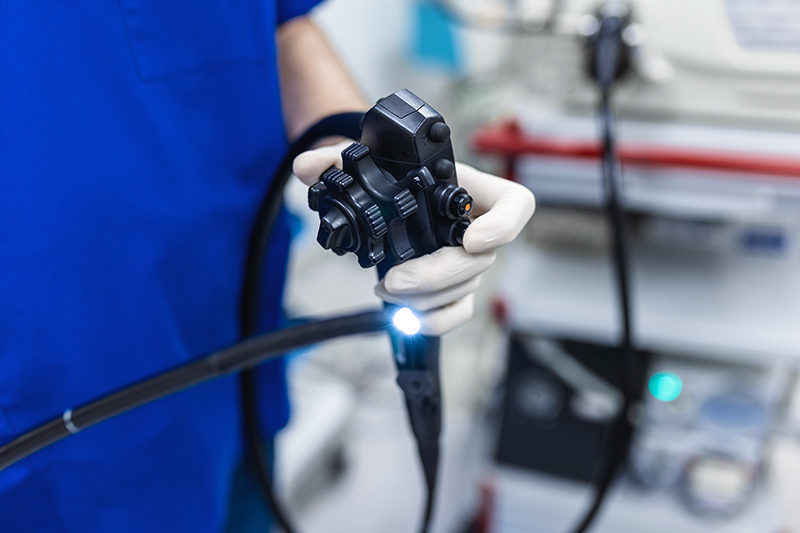
The doctor gently inserts the colonoscope through the rectum and into the colon. The colonoscope is a long, flexible tube equipped with a camera and light that allows the doctor to view the lining of the large intestine in real time.
Step 4: Examination of the Colon
As the colonoscope moves through the colon, images are transmitted to a monitor for detailed examination. The doctor checks for abnormalities such as inflammation, bleeding, polyps or other unusual changes in the intestinal lining.
Step 5: Polyp Removal or Tissue Sampling
If polyps or abnormal areas are found, the doctor may remove suitable polyps or collect small tissue samples for laboratory analysis. Larger or more complex abnormalities may require further assessment or a separate procedure.
Step 6: Completion of the Procedure
Once the examination is complete, the colonoscope is carefully withdrawn. The procedure typically takes about 30–60 minutes, although the duration may vary depending on individual circumstances and whether additional procedures, such as polyp removal, are performed.
What Can a Colonoscopy Detect?
A colonoscopy helps identify a wide range of conditions affecting the colon and rectum.
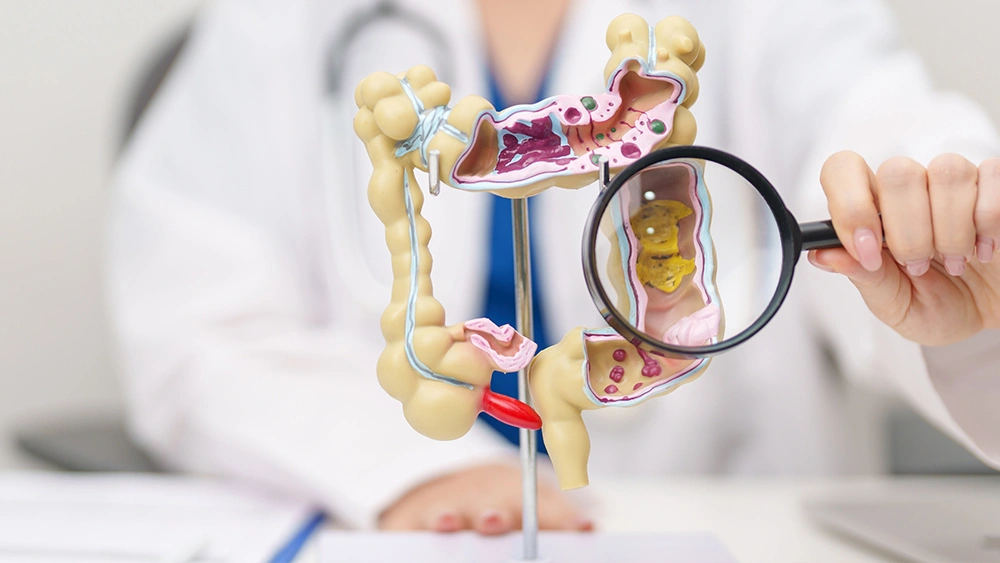
One of its most important functions is the detection and removal of polyps. Some polyps may develop into colorectal cancer over time, making early identification a key step in cancer prevention.
A colonoscopy may also help diagnose:
- Precancerous polyps
- Colorectal cancer
- Inflammatory bowel disease (IBD)
- Diverticulosis
- Sources of gastrointestinal bleeding
- Causes of unexplained bowel symptoms
If tissue samples are collected, they will be sent to a laboratory for further analysis. Your doctor will discuss the findings with you and explain whether any follow-up treatment or monitoring is required.
Patients who visit a colorectal cancer clinic often undergo colonoscopy as part of a comprehensive screening and diagnostic programme designed to detect disease at an early and more treatable stage.
What Should You Expect After the Procedure?
Following the colonoscopy, you will remain in a recovery area while the sedative wears off. If you have received sedation, you should arrange for a responsible adult to accompany you home. You should not drive, operate machinery, drink alcohol or make important decisions for the period specified by your healthcare team.
It is normal to experience mild bloating, cramping or wind as the gas used to expand the colon gradually leaves the digestive tract. These symptoms usually resolve within a few hours after the procedure.
You can usually return to your normal diet unless your doctor advises otherwise. If polyps were removed or biopsies were taken, you may receive additional instructions regarding activity levels and follow-up care.
Results from the visual examination are often discussed shortly after the procedure. However, biopsy results may take several days to become available. In many cases, the colon appears healthy and no abnormalities are found. Your doctor will explain the findings and advise whether routine screening is recommended based on your age and risk factors.
It is important to contact your doctor if you experience severe abdominal pain, persistent bleeding, fever or other unusual symptoms after returning home.

Take Charge of Your Colorectal Health with Dr Chong Chee Keong
A colonoscopy is a straightforward procedure that provides valuable insights into your colorectal health. By understanding how to prepare, what happens during the examination, how long it takes and what conditions it can detect, you can approach the process with greater confidence and peace of mind. Beyond diagnosing digestive concerns, colonoscopy also plays an important role in identifying precancerous polyps and supporting the early detection of colorectal cancer.
Maven Surgery offers colonoscopy services for colorectal screening, diagnosis and follow-up care. Our colorectal specialist, Dr Chong Chee Keong, provides personalised recommendations based on each patient's symptoms, medical history and screening needs.
If you are due for a screening or have concerns about your digestive health, book an appointment today and take a proactive step towards colorectal cancer prevention.
FAQs About Undergoing a Colonoscopy
Can I Have a Colonoscopy if I Have No Symptoms?
Can I Continue Taking My Regular Medications Before a Colonoscopy?
Is a Colonoscopy Safe?
Will I Need Another Colonoscopy in the Future?
Meet Our Specialist
Dr Chong Chee Keong Breast, Colorectal and General Surgeon MBBS (Singapore), FRCS (Edinburgh), FRCS (Glasgow), FAMS (Singapore) Specialist Accreditation in Intensive Care Medicine Specialists Accreditation Board, Medical Director & Senior Consultant
Dr Chong Chee Keong is a Breast, Colorectal and General Surgeon with over 20 years of clinical experience. Dual-fellowship trained and highly accredited, he founded Maven Surgery with a commitment to elevating the standard of care for breast and colorectal cancers, the two most common cancers affecting women and men.
Dr Chong works closely with multidisciplinary teams of surgical, medical and radiation oncologists and remains actively involved in international cancer conferences to stay at the forefront of advancing techniques. He has a strong focus on minimally invasive surgery, recognising the importance of preserving self-image while maintaining treatment safety and effectiveness.
“Your Partner in Every Step of Recovery and Beyond”
For appointments and enquiries, contact us via form below or call us at (+65) 6355 5285
Mount Elizabeth Novena Specialist Centre
38 Irrawaddy Road #06-33,Singapore 329563
Parkway East Medical Centre
319 Joo Chiat Place #02-05,Singapore 427989
Farrer Park Medical Centre
1 Farrer Park Station Rd #15-13,Singapore 217562
Tel : (+65) 6355 5285
Whatsapp : (+65) 6355 5285
Operating Hours: Monday to Friday: 9:00 AM to 5:00 PM Saturday: 9:00 AM to 1:00 PM Closed on Sundays and Public Holidays