

Laparoscopic Colorectal Surgery: What to Expect

Dr Chong Chee Keong
Breast, Colorectal and General Surgeon
MBBS (Singapore), FRCS (Edinburgh), FRCS (Glasgow), FAMS (Singapore)
Specialist Accreditation in Intensive Care Medicine
Specialists Accreditation Board, Medical Director & Senior Consultant

Dr Chong Chee Keong Breast, Colorectal and General Surgeon MBBS (Singapore), FRCS (Edinburgh), FRCS (Glasgow), FAMS (Singapore) Specialist Accreditation in Intensive Care Medicine Specialists Accreditation Board, Medical Director & Senior Consultant
Learning that you need colorectal surgery can be daunting, but advances in minimally invasive techniques mean that surgery today may be very different from what you expect. Depending on your condition, your colorectal surgeon may recommend laparoscopic colorectal surgery, a minimally invasive approach that uses several small incisions instead of one larger incision and may offer a smoother recovery for suitable patients.
If you have been advised to undergo laparoscopic surgery, understanding what to expect can help you feel more prepared for the journey ahead. From preparing for the procedure to recovering afterwards, this guide walks you through each stage of treatment.
What Is Laparoscopic Colorectal Surgery?
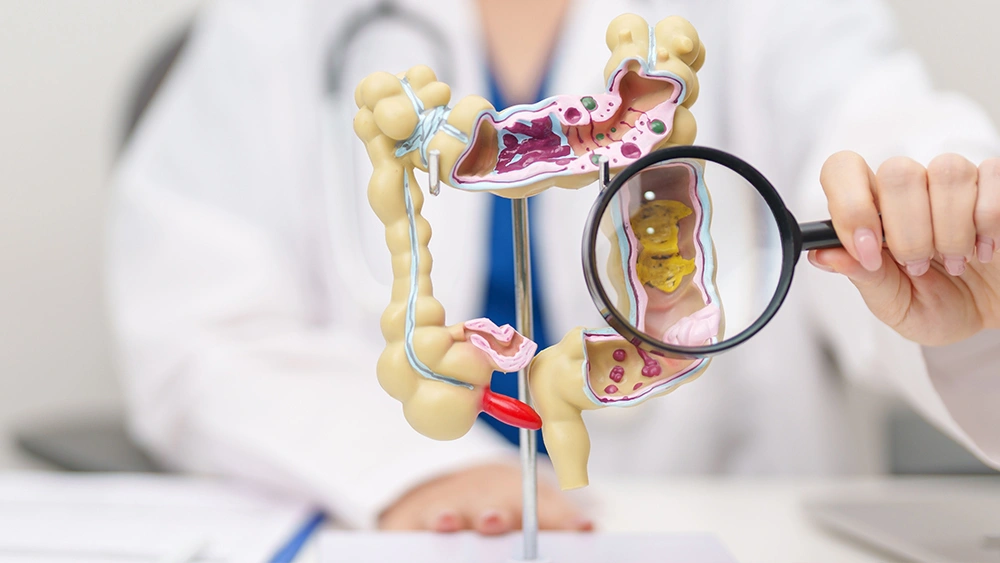
Laparoscopic colorectal surgery is a minimally invasive technique used to treat a range of conditions affecting the colon and rectum. The procedure is performed through several small incisions using a laparoscope (a thin tube with a camera) and specialised surgical instruments instead of one larger incision.
What Conditions Can Be Treated with Laparoscopic Colorectal Surgery?
Laparoscopic colorectal surgery may be recommended for a range of conditions affecting the colon and rectum, including:
- Colorectal cancer
- Large or complex colon polyps that cannot be removed during colonoscopy
- Diverticular disease
- Inflammatory bowel disease, in selected cases
- Other benign colorectal conditions that require surgical treatment
Your colorectal surgeon will assess your condition, discuss the available treatment options and determine whether laparoscopic surgery is appropriate based on your individual needs.
Why Is Laparoscopic Surgery Recommended?
Compared with traditional open surgery, laparoscopic surgery generally causes less disruption to the surrounding tissues. For suitable patients, this may result in:
- Smaller incisions and scars
- Less postoperative pain
- Reduced blood loss
- A shorter hospital stay
- A faster recovery and return to daily activities
The benefits vary depending on the condition being treated, the complexity of the procedure and your overall health.
How Should You Prepare for Laparoscopic Colorectal Surgery?
Preparing for laparoscopic colorectal surgery involves a medical assessment, following your surgeon's instructions and making practical arrangements for your recovery. Careful preparation helps ensure you are fit for surgery and may reduce the risk of complications.
Your Consultation and Pre-Operative Assessment
During your consultation, your colorectal surgeon will review your medical history, current medications and any previous surgeries. You may also undergo blood tests, imaging scans or other investigations to assess your overall health and plan the procedure.
Your surgeon will explain the procedure, discuss the potential benefits and risks, answer your questions and provide personalised pre-operative instructions. Be sure to tell your surgeon about any prescription medications, over-the-counter medicines or supplements you are taking, as some may need to be stopped or adjusted before surgery. If you smoke, you may also be advised to stop before your operation, as smoking can affect wound healing and recovery.
Preparing for Surgery
Before surgery, you may be asked to fast for a period of time and follow specific bowel preparation instructions, depending on the procedure being performed. Your surgeon will also advise you on which medications to continue or temporarily stop.
As you will need time to recover after surgery, it is helpful to arrange for someone to accompany you home after discharge and assist with daily activities, if needed.
What Happens During and After Laparoscopic Colorectal Surgery?
Laparoscopic colorectal surgery is performed under general anaesthesia, followed by a period of monitoring and recovery in hospital. The length of the operation and recovery will depend on the procedure performed and your individual circumstances.
During the Procedure
Once you are under general anaesthesia, your surgeon will make several small incisions in the abdomen. Carbon dioxide gas is used to gently inflate the abdominal cavity, creating space for the laparoscope and specialised surgical instruments.
The surgeon will remove or treat the affected section of the colon or rectum while viewing the operative area on a monitor. Depending on the condition being treated, the healthy ends of the bowel may be reconnected. In some cases, a temporary or permanent stoma may be required, although this is not necessary for every patient.
Recovery After Surgery
After the procedure, you will be monitored in the recovery area before returning to the ward. Most patients are encouraged to start moving as soon as it is safe to do so, as early mobilisation can help reduce the risk of complications and support recovery.
As your bowel function returns, you will gradually progress from fluids to solid foods, following the advice of your healthcare team. Many patients can return to light daily activities within a few weeks, although recovery varies depending on the type of surgery performed, your overall health and whether any complications occur. Your surgeon will advise when it is safe to resume work, exercise and other normal activities.
What Are the Possible Risks and Complications of Laparoscopic Colorectal Surgery?
Like any surgical procedure, laparoscopic colorectal surgery carries some risk of complications, although it is generally considered safe when performed by an experienced colorectal surgeon. The type and likelihood of complications depend on factors such as your overall health, the condition being treated and the complexity of the procedure. Before surgery, your surgeon will explain the risks that are most relevant to your individual situation and the steps taken to minimise them.
Possible complications include:
- Bleeding
- Infection
- Injury to nearby organs or structures
- Leakage where the bowel is reconnected (anastomotic leak)
- Blood clots
- Risks associated with general anaesthesia
In some cases, your surgeon may need to convert the procedure to open surgery if it is not safe or feasible to continue laparoscopically. This decision is made to help achieve the safest possible outcome.
Discuss Your Colorectal Treatment Options with Maven Surgery
Whether laparoscopic colorectal surgery is the most appropriate treatment depends on your diagnosis, the extent of your condition and your overall health. If you have been diagnosed with a colorectal condition that may require surgery or would like a second opinion, consulting an experienced colorectal surgeon can help you better understand your treatment options and what to expect.
Maven Surgery is a colorectal surgery clinic in Singapore providing comprehensive care for patients with a wide range of benign and cancerous colorectal conditions. The clinic is led by Dr Chong Chee Keong, a dual-fellowship-trained breast and colorectal surgeon with extensive experience in cancer care and minimally invasive surgical techniques. Consult our specialist for an individualised assessment and guidance on the most appropriate surgical approach for your condition.
FAQs About Laparoscopic Colorectal Surgery
Will I have visible scars after laparoscopic colorectal surgery?
When should I seek medical attention after surgery?
Can colorectal cancer be treated with laparoscopic surgery?
Can colorectal conditions return after laparoscopic surgery?
Meet Our Specialist
Dr Chong Chee Keong Breast, Colorectal and General Surgeon MBBS (Singapore), FRCS (Edinburgh), FRCS (Glasgow), FAMS (Singapore) Specialist Accreditation in Intensive Care Medicine Specialists Accreditation Board, Medical Director & Senior Consultant
Dr Chong Chee Keong is a Breast, Colorectal and General Surgeon with over 20 years of clinical experience. Dual-fellowship trained and highly accredited, he founded Maven Surgery with a commitment to elevating the standard of care for breast and colorectal cancers, the two most common cancers affecting women and men.
Dr Chong works closely with multidisciplinary teams of surgical, medical and radiation oncologists and remains actively involved in international cancer conferences to stay at the forefront of advancing techniques. He has a strong focus on minimally invasive surgery, recognising the importance of preserving self-image while maintaining treatment safety and effectiveness.
“Your Partner in Every Step of Recovery and Beyond”
For appointments and enquiries, contact us via form below or call us at (+65) 6355 5285
Mount Elizabeth Novena Specialist Centre
38 Irrawaddy Road #06-33,Singapore 329563
Parkway East Medical Centre
319 Joo Chiat Place #02-05,Singapore 427989
Farrer Park Medical Centre
1 Farrer Park Station Rd #15-13,Singapore 217562
Tel : (+65) 6355 5285
Whatsapp : (+65) 6355 5285
Operating Hours: Monday to Friday: 9:00 AM to 5:00 PM Saturday: 9:00 AM to 1:00 PM Closed on Sundays and Public Holidays
