

Why Early Screening Matters in Colorectal Cancer Prevention

Dr Chong Chee Keong
Breast, Colorectal and General Surgeon
MBBS (Singapore), FRCS (Edinburgh), FRCS (Glasgow), FAMS (Singapore)
Specialist Accreditation in Intensive Care Medicine
Specialists Accreditation Board, Medical Director & Senior Consultant

Dr Chong Chee Keong Breast, Colorectal and General Surgeon MBBS (Singapore), FRCS (Edinburgh), FRCS (Glasgow), FAMS (Singapore) Specialist Accreditation in Intensive Care Medicine Specialists Accreditation Board, Medical Director & Senior Consultant
Colorectal cancer is one of the most common cancers worldwide, but it is also one of the most preventable when detected early. Despite advancements in treatment, many cases are still diagnosed at later stages when symptoms become noticeable and treatment becomes more complex. This is why regular screening plays a critical role in colorectal cancer prevention.
By identifying abnormal growths before they become cancerous or detecting cancer in its earliest stages, screening can significantly increase the likelihood of successful treatment and may reduce colorectal cancer mortality through earlier detection. Understanding your risk factors, knowing when to undergo a colonoscopy and seeking timely advice from a colorectal cancer specialist are essential steps in protecting your long-term health.
The Role of Screening in Colorectal Cancer Prevention
Colorectal cancer screening is a preventive health measure that aims to detect changes in the colon or rectum before symptoms develop. Unlike diagnostic tests, which are performed to investigate symptoms such as rectal bleeding or persistent abdominal pain, screening is recommended for those who do not have any signs of disease but may still be at risk.
Several screening options are available, and the most suitable method depends on factors such as age, personal risk and family history. Common screening methods include the faecal immunochemical test (FIT), stool DNA tests and a colonoscopy. While stool-based tests can detect signs of blood or abnormal DNA in the stool, a colonoscopy allows doctors to directly examine the inside of the colon and rectum for abnormalities such as colorectal polyps.
By undergoing regular screening at the advised intervals, precancerous changes can be identified before they progress, making screening an essential part of colorectal cancer prevention.
Who Is Most at Risk for Colorectal Cancer?
Although colorectal cancer can affect anyone, certain factors may increase the risk of developing the disease. Understanding these risk factors can help determine when screening should begin and how often it should be performed.
Age
Age is one of the most significant risk factors for colorectal cancer. In Singapore, average-risk adults are generally encouraged to begin colorectal cancer screening from age 50, although some international guidelines recommend starting at 45. Individuals at higher risk may need earlier screening based on medical or family history.
Family History
Family history is another important consideration. Individuals with a close relative who has had colorectal cancer or advanced polyps may face a higher risk of developing the disease themselves. In some cases, earlier or more frequent screening may be recommended based on an individual's family history.
Medical Conditions That May Increase Risk
Certain medical conditions are associated with an increased risk of colorectal cancer. These include inflammatory bowel disease (IBD), such as Crohn's disease and ulcerative colitis, which can cause chronic inflammation in the colon and rectum over time.
Individuals with these conditions may require closer monitoring and tailored screening plans to help detect potential abnormalities at an early stage.
Lifestyle Factors Associated With Colorectal Cancer
Several lifestyle factors have also been linked to a higher risk of colorectal cancer, including:
- Smoking
- Excessive alcohol consumption
- Obesity
- Physical inactivity
- Diets high in processed and red meats
While not all risk factors can be changed, adopting healthier lifestyle habits may help reduce the risk of colorectal cancer and support overall digestive health.
Understanding your personal risk factors can help determine whether screening should begin earlier or be performed more frequently. A colorectal cancer specialist can provide personalised recommendations based on your medical history, family history and individual risk factors.
How Early Screening Helps Prevent Colorectal Cancer
One of the greatest advantages of early screening is that it can detect precancerous polyps before they develop into colorectal cancer. During certain screening procedures, such as a colonoscopy, these polyps are often removed immediately, helping prevent cancer from developing altogether.
Screening is also valuable because colorectal cancer often develops without noticeable symptoms in its early stages. Waiting until symptoms appear may delay diagnosis and reduce available treatment options. By identifying abnormalities early, screening allows doctors to intervene sooner, when treatment is generally less complex and more effective.
Early detection is associated with improved prognosis, higher survival rates and a greater likelihood of successful management. Even for individuals who feel healthy, keeping up with recommended colorectal cancer screening can play a vital role in maintaining bowel health.
What Are the Benefits of a Colonoscopy?
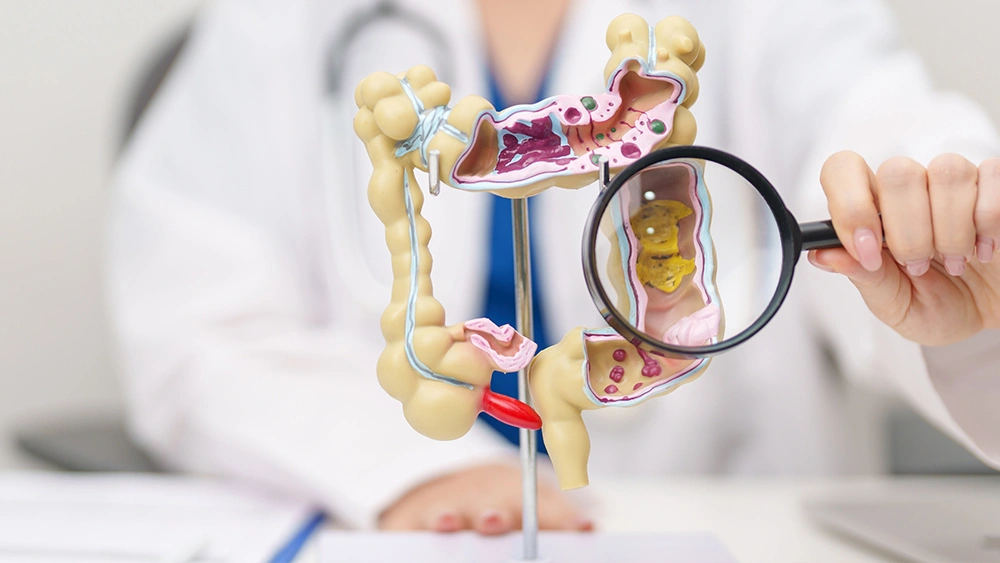
Colonoscopy is often regarded as one of the most comprehensive screening methods because it allows doctors to examine the entire colon while also removing certain precancerous polyps during the same procedure.
During the procedure, a flexible tube fitted with a small camera is gently inserted into the colon. This enables the doctor to look for abnormalities such as polyps, inflammation or suspicious growths that may require further evaluation.
A key advantage of a colonoscopy is that it can be both a diagnostic and therapeutic procedure. If certain types of polyps are identified during the examination, they can often be removed immediately without the need for a separate procedure.
Other benefits of a colonoscopy include:
- Detailed examination of the entire colon
- High accuracy in detecting polyps and other abnormalities
- Ability to remove certain polyps during the same procedure
- Longer intervals between screenings when results are normal
- Assessment of symptoms such as rectal bleeding or persistent changes in bowel habits
Although some individuals may feel apprehensive about the procedure, a colonoscopy is generally safe, well-tolerated and typically performed under sedation to maximise comfort.
A colorectal cancer specialist can advise whether a colonoscopy is the most appropriate screening option based on your age, medical history and individual risk factors.
When Should You See a Colorectal Cancer Specialist?
While routine screening is important for many adults, certain situations warrant consultation with a colorectal cancer specialist.
You should consider seeking specialist advice if you experience symptoms such as:
- Persistent changes in bowel habits
- Blood in the stool
- Ongoing abdominal pain
- Unexplained weight loss
- Persistent fatigue
Individuals with a strong family history of colorectal cancer or inherited genetic conditions may also benefit from specialist evaluation, even if they do not have symptoms.
A colorectal cancer specialist can assess your risk factors, recommend suitable screening methods and develop a personalised plan for prevention, diagnosis or treatment if necessary. Early consultation can provide reassurance and ensure that any concerns are addressed promptly.

Take the First Step Towards Colorectal Cancer Prevention with Dr Chong Chee Keong
Colorectal cancer remains a significant health concern, but early detection and prevention can make a substantial difference. Through regular screening, timely colonoscopy examinations and expert guidance from a colorectal cancer specialist, some cases may be prevented through the early detection and removal of precancerous polyps, while others can be diagnosed at an earlier stage. Taking a proactive approach to colorectal cancer prevention can improve treatment outcomes and support long-term health.
At Maven Surgery, we are dedicated to providing comprehensive colorectal care and personalised screening recommendations. Under the guidance of Dr Chong Chee Keong, our team strives to make every step of the screening process as comfortable and reassuring as possible, so that you can prioritise your colorectal health with confidence.
If you are due for screening, have concerns about your personal risk or would like advice on whether a colonoscopy is right for you, schedule a consultation with us and take the first step towards effective colorectal cancer prevention.
FAQs About the Importance of Early Screening in Colorectal Cancer Prevention
What should I expect during colonoscopy preparation?
Is a colonoscopy painful?
How long does it take to recover from a colonoscopy?
What happens if abnormalities are found during screening?
How often should I undergo colorectal cancer screening?
Meet Our Specialist
Dr Chong Chee Keong Breast, Colorectal and General Surgeon MBBS (Singapore), FRCS (Edinburgh), FRCS (Glasgow), FAMS (Singapore) Specialist Accreditation in Intensive Care Medicine Specialists Accreditation Board, Medical Director & Senior Consultant
Dr Chong Chee Keong is a Breast, Colorectal and General Surgeon with over 20 years of clinical experience. Dual-fellowship trained and highly accredited, he founded Maven Surgery with a commitment to elevating the standard of care for breast and colorectal cancers, the two most common cancers affecting women and men.
Dr Chong works closely with multidisciplinary teams of surgical, medical and radiation oncologists and remains actively involved in international cancer conferences to stay at the forefront of advancing techniques. He has a strong focus on minimally invasive surgery, recognising the importance of preserving self-image while maintaining treatment safety and effectiveness.
“Your Partner in Every Step of Recovery and Beyond”
For appointments and enquiries, contact us via form below or call us at (+65) 6355 5285
Mount Elizabeth Novena Specialist Centre
38 Irrawaddy Road #06-33,Singapore 329563
Parkway East Medical Centre
319 Joo Chiat Place #02-05,Singapore 427989
Farrer Park Medical Centre
1 Farrer Park Station Rd #15-13,Singapore 217562
Tel : (+65) 6355 5285
Whatsapp : (+65) 6355 5285
Operating Hours: Monday to Friday: 9:00 AM to 5:00 PM Saturday: 9:00 AM to 1:00 PM Closed on Sundays and Public Holidays