

Can Healthy Women Get Breast Cancer? Risk Factors Every Woman Should Know

Dr Chong Chee Keong
Breast, Colorectal and General Surgeon
MBBS (Singapore), FRCS (Edinburgh), FRCS (Glasgow), FAMS (Singapore)
Specialist Accreditation in Intensive Care Medicine
Specialists Accreditation Board, Medical Director & Senior Consultant
Dr Chong Chee Keong Breast, Colorectal and General Surgeon MBBS (Singapore), FRCS (Edinburgh), FRCS (Glasgow), FAMS (Singapore) Specialist Accreditation in Intensive Care Medicine Specialists Accreditation Board, Medical Director & Senior Consultant
Many people associate breast cancer with a family history, advancing age or an unhealthy lifestyle. It is easy to assume that eating well, exercising regularly and looking after your health offer complete protection. While these habits play an important role in supporting overall health and may help reduce the risk of certain diseases, breast cancer does not only affect women with obvious risk factors.
In reality, some women diagnosed with breast cancer have no family history or clear explanation for why the disease developed. Breast cancer is influenced by a complex combination of genetic, hormonal, environmental and lifestyle factors, many of which cannot be changed. Understanding what influences your risk and knowing when to undergo breast cancer screening can help support earlier detection and informed healthcare decisions.
Understanding Breast Cancer Risk
Breast cancer develops when cells in the breast grow and divide abnormally. Although certain factors may increase the likelihood of developing the disease, there is no single cause. Instead, breast cancer usually develops because of a combination of genetic, hormonal, environmental and lifestyle factors.
While maintaining a healthy lifestyle may help reduce your risk, it cannot eliminate it entirely. Some of the strongest risk factors, such as age, inherited genetic mutations and breast density, cannot be changed. At the same time, some women diagnosed with breast cancer have no obvious risk factors or family history, making it difficult to predict who will develop the disease.
Understanding the factors that influence your risk can help you make informed decisions about breast cancer screening and when to seek medical advice. The following sections explain the common risk factors associated with breast cancer.
What Are the Risk Factors for Breast Cancer?
Breast cancer does not have a single cause. Instead, it develops through a combination of factors, some of which cannot be changed, while others are related to lifestyle or hormonal influences. Having one or more risk factors does not mean you will develop breast cancer, and having none does not mean you are risk-free. Understanding these factors can help you make informed decisions about breast cancer screening and your overall breast health.
Non-Modifiable Breast Cancer Risk Factors
Some risk factors are beyond your control but may increase the likelihood of developing breast cancer. These include:
- Age: The risk of breast cancer increases as you get older.
- Family history: Having a close relative with breast or ovarian cancer may increase your risk.
- Inherited genetic mutations: Certain inherited gene mutations, such as BRCA1 and BRCA2, are associated with a higher risk of breast cancer.
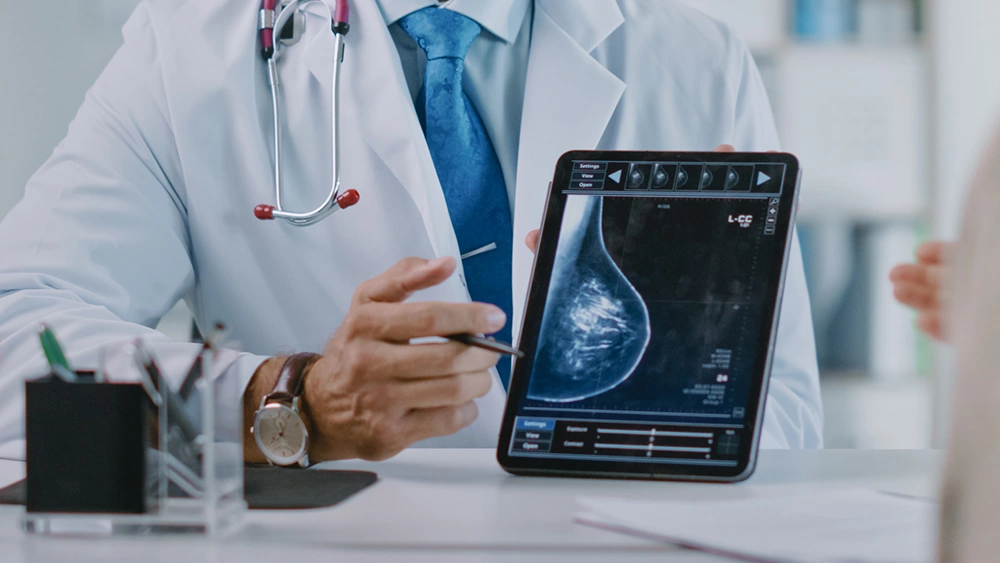
- Dense breast tissue: Women with dense breasts may have a higher risk of breast cancer, and dense tissue can also make abnormalities more difficult to detect on mammograms.
- Personal history of breast cancer or high-risk breast conditions: Having previously had breast cancer or certain high-risk breast conditions, such as atypical ductal hyperplasia (ADH), atypical lobular hyperplasia (ALH) or lobular carcinoma in situ (LCIS), may increase your risk of developing breast cancer.
Modifiable Breast Cancer Risk Factors
Lifestyle habits and hormonal factors may also influence breast cancer risk. While some of these factors can be modified, others are related to reproductive history or hormone use. These include:
- Alcohol consumption: Alcohol can increase breast cancer risk by raising oestrogen levels and affecting how the body processes hormones. The risk tends to increase with the amount of alcohol consumed over time.
- Excess body weight after menopause: After menopause, body fat becomes a major source of oestrogen. Higher oestrogen levels associated with excess body weight may increase the risk of hormone receptor-positive breast cancer.
- Physical inactivity: Regular physical activity helps maintain a healthy weight and supports hormone regulation. Women who are less physically active may have a slightly higher risk of developing breast cancer than those who exercise regularly.
- Hormone replacement therapy (HRT): Long-term use of HRT, particularly, combined oestrogen-progestogen HRT, during menopause has been associated with an increased risk of breast cancer. Certain oral contraceptives have also been linked to a small increase in risk.
- Smoking: Research suggests that smoking, particularly long-term smoking or starting at a younger age, may increase the risk of breast cancer. Quitting smoking offers many health benefits and may help reduce the risk of several cancers and other chronic diseases.
Can You Reduce Your Risk of Breast Cancer?
Although some breast cancer risk factors cannot be changed, adopting healthy habits may help reduce your overall risk. These include:
- Maintaining a healthy weight, particularly after menopause
- Exercising regularly
- Limiting alcohol consumption
- Avoiding smoking
- Attending recommended breast cancer screening based on your age and risk profile
While these measures may help lower risk, they cannot prevent breast cancer completely. Some women who develop breast cancer have no identifiable risk factors, which is why appropriate screening and prompt assessment of new breast changes remain important.
Women at average risk are generally advised to begin breast cancer screening according to national or their doctor's recommendations, while women with a strong family history, inherited genetic mutations or other high-risk factors may benefit from earlier or more intensive screening. Your doctor can recommend a screening schedule based on your individual risk profile.
Seek Medical Advice About Your Breast Cancer Risk at Maven Surgery
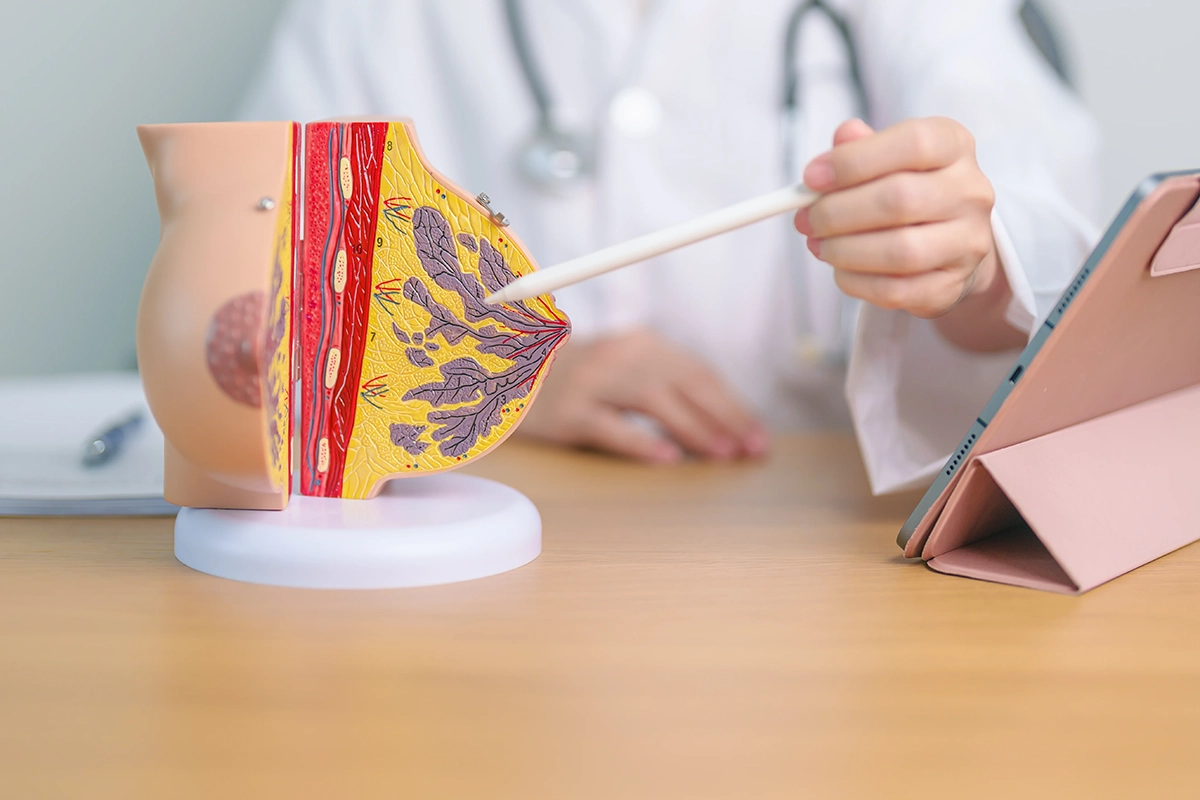
Breast cancer can affect women with or without obvious risk factors. If you have concerns about your breast cancer risk, an abnormal screening result or changes in your breasts, consulting a breast specialist can help assess your individual risk and determine whether further investigations are needed.
Maven Surgery is a breast cancer clinic in Singapore providing comprehensive care for patients requiring breast cancer risk assessment, screening evaluation, diagnosis and treatment planning. The clinic is led by Dr Chong Chee Keong, a dual-fellowship-trained breast and colorectal surgeon with extensive experience in cancer care and minimally invasive surgical techniques. Consult our specialist for personalised guidance on breast cancer screening, abnormal mammogram findings or the next steps in your breast care.
FAQs About Breast Cancer Risk
Does breast cancer only occur in older women?
Is breast pain a sign of breast cancer?
Can benign breast lumps become cancerous?
Meet Our Specialist
Dr Chong Chee Keong Breast, Colorectal and General Surgeon MBBS (Singapore), FRCS (Edinburgh), FRCS (Glasgow), FAMS (Singapore) Specialist Accreditation in Intensive Care Medicine Specialists Accreditation Board, Medical Director & Senior Consultant
Dr Chong Chee Keong is a Breast, Colorectal and General Surgeon with over 20 years of clinical experience. Dual-fellowship trained and highly accredited, he founded Maven Surgery with a commitment to elevating the standard of care for breast and colorectal cancers, the two most common cancers affecting women and men.
Dr Chong works closely with multidisciplinary teams of surgical, medical and radiation oncologists and remains actively involved in international cancer conferences to stay at the forefront of advancing techniques. He has a strong focus on minimally invasive surgery, recognising the importance of preserving self-image while maintaining treatment safety and effectiveness.
“Your Partner in Every Step of Recovery and Beyond”
For appointments and enquiries, contact us via form below or call us at (+65) 6355 5285
Mount Elizabeth Novena Specialist Centre
38 Irrawaddy Road #06-33,Singapore 329563
Parkway East Medical Centre
319 Joo Chiat Place #02-05,Singapore 427989
Farrer Park Medical Centre
1 Farrer Park Station Rd #15-13,Singapore 217562
Tel : (+65) 6355 5285
Whatsapp : (+65) 6355 5285
Operating Hours: Monday to Friday: 9:00 AM to 5:00 PM Saturday: 9:00 AM to 1:00 PM Closed on Sundays and Public Holidays
