


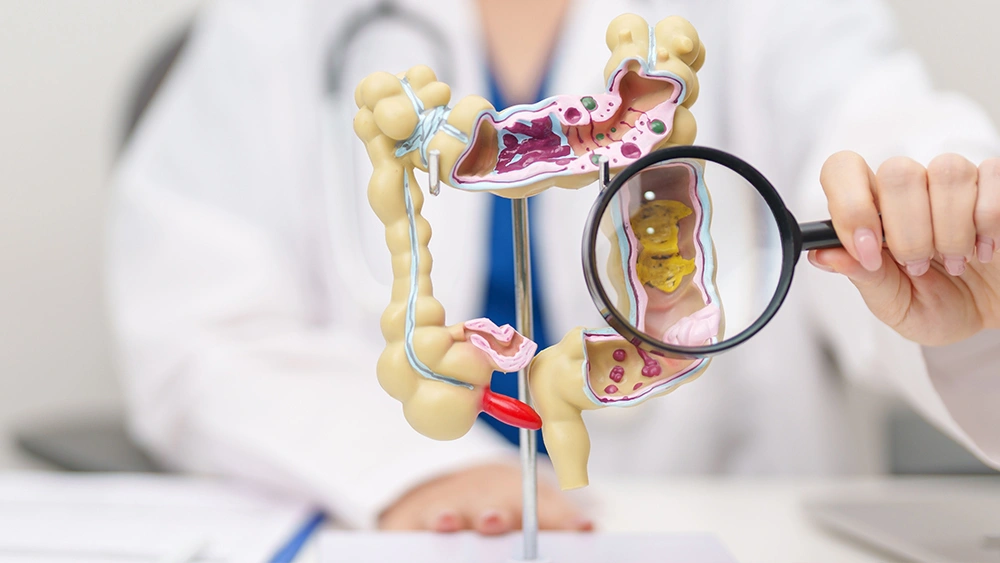
Minimally Invasive Surgery for Colorectal Cancer
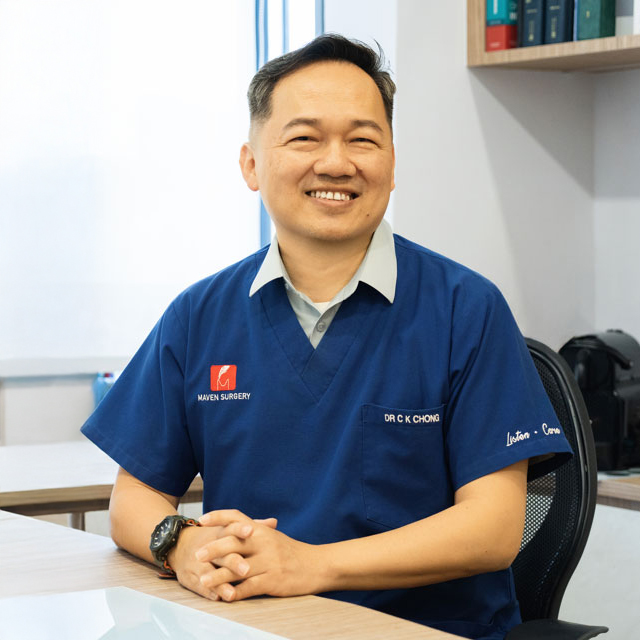
Dr Chong Chee Keong
Breast, Colorectal and General Surgeon
MBBS (Singapore), FRCS (Edinburgh), FRCS (Glasgow), FAMS (Singapore)
Specialist Accreditation in Intensive Care Medicine
Specialists Accreditation Board
Being diagnosed with colorectal cancer can bring many questions and uncertainties, particularly when surgery is recommended. While this may feel daunting, advances in surgical techniques mean that treatment has become less invasive for many patients.
Unlike in the past, when colorectal surgery often required a large abdominal incision, many suitable cases can now be treated through minimally invasive techniques using several small incisions. This approach may help reduce discomfort and support a smoother recovery, while also reducing physical strain on the body, helping you regain strength and confidence sooner.

Understanding Minimally Invasive
Colorectal Surgery
Minimally invasive surgery refers to techniques that allow colorectal cancer to be treated through small incisions using specialised instruments and high-definition cameras. These tools give the surgeon a detailed view of the affected area, enabling careful removal of cancerous tissue while protecting surrounding structures.
Unlike traditional open surgery, which requires a larger incision to access the bowel, minimally invasive approaches work through keyhole-sized openings. This allows for greater surgical precision with less disruption to healthy tissue.
Because the approach is more targeted, it is also suitable for selected colorectal cancer cases where the tumour's location, size and behaviour allow for safe and complete removal.
What Are the Benefits of Minimally Invasive Colorectal Surgery?
For suitable patients, minimally invasive colorectal surgery offers several advantages over traditional open surgery.
Benefit | How it helps |
Smaller incisions | Surgery is performed through several small incisions instead of one large abdominal incision, resulting in less disruption to surrounding muscles and tissues. |
Less post-operative discomfort | Reduced tissue trauma often leads to less pain after surgery and may reduce the need for stronger pain medication. |
Shorter hospital stay | Many patients recover well enough to return home sooner, allowing them to continue recovering in a familiar environment. |
Faster recovery | Patients are often able to resume walking, eating and other daily activities sooner than after traditional open surgery. |
Lower risk of wound complications | Smaller incisions may reduce the risk of wound infections and other incision-related complications while leaving less noticeable scars. |
Effective cancer treatment | When performed for suitable patients, minimally invasive surgery offers cancer outcomes comparable to open surgery while providing the benefits of a less invasive approach. |
When Might Minimally Invasive Surgery Be Recommended?
Minimally invasive surgery is suitable for many patients with colorectal cancer, but it is not the best option in every situation. Your colorectal surgeon will consider several factors to determine whether a minimally invasive approach can remove the cancer safely while achieving the best possible outcome.
Cancer Stage and Extent
The stage of the cancer is one of the first factors considered when planning surgery. Minimally invasive surgery is commonly performed for early colorectal cancer and may also be suitable for selected patients with more advanced disease. The priority is always to remove the cancer completely, so the surgical approach will depend on whether this can be achieved safely through a minimally invasive technique.
Tumour Location
The location of the tumour within the colon or rectum also influences the surgical approach. While many tumours throughout the colon can be treated using minimally invasive techniques, rectal cancers can be more technically challenging because they are located within the narrow pelvis, where there is less room to operate. Your surgeon will recommend the approach that provides the safest access while maintaining precise cancer removal.
Your Overall Health and Medical History
Your general health plays an important role in determining whether minimally invasive surgery is appropriate. Factors such as your heart and lung function, existing medical conditions and previous abdominal surgery are carefully assessed before surgery. Previous operations may have resulted in internal scar tissue (adhesions), which can make minimally invasive surgery more complex in some patients.
Personalised Surgical Planning
Every colorectal cancer is different, which is why treatment begins with a comprehensive specialist assessment. Your surgeon will review your imaging scans, colonoscopy findings, biopsy results and overall health before recommending a treatment plan. This ensures that the chosen surgical approach is based not only on whether minimally invasive surgery is possible, but whether it is the safest and most effective option for achieving complete cancer removal.
Are All Patients Suitable for
Minimally Invasive Surgery?
Not all colorectal cancers can be treated with minimally invasive techniques. Some tumours may be too large, have spread extensively, or involve complex anatomy that requires a different surgical approach.
Factors such as tumour spread, body structure and previous surgeries can also affect suitability. These considerations help determine whether minimally invasive surgery can be performed safely and effectively. If minimally invasive surgery is not suitable, alternative treatment options will be discussed clearly, ensuring you understand the reasons and next steps in your care.
Choosing the Most Appropriate Minimally Invasive Approach
There is no single minimally invasive technique that is suitable for every colorectal cancer. The most appropriate approach depends on several factors, including the size and location of the tumour, whether the cancer affects the colon or rectum, its stage and your overall health. During your consultation, your colorectal surgeon will carefully assess these factors to determine whether minimally invasive surgery is a safe and effective option for you.
Laparoscopic Surgery
Laparoscopic, or keyhole, surgery is the most established minimally invasive approach for colorectal cancer. It is performed through several small incisions using specialised instruments and a high-definition camera, allowing the surgeon to remove the affected section of the bowel with precision while minimising disruption to surrounding tissues. For suitable patients, laparoscopic surgery offers outcomes comparable to open surgery while supporting a smoother recovery.
Robotic-Assisted Surgery
Robotic-assisted surgery is an advanced form of minimally invasive surgery that uses robotic instruments controlled entirely by the surgeon. The system provides enhanced visualisation and greater instrument flexibility, which can be particularly helpful when operating in confined areas such as the pelvis during rectal cancer surgery. However, robotic surgery is not necessarily better for every patient, and whether it is recommended depends on your individual condition and surgical requirements.
When May Open Surgery Still Be Recommended?
Although many colorectal cancers can now be treated using minimally invasive techniques, open surgery remains the safest and most appropriate option in some situations. Factors such as the size or location of the tumour, previous abdominal surgery or the complexity of the procedure may make an open approach more suitable. In some cases, an operation that begins as minimally invasive surgery may also need to be converted to an open procedure if this is necessary to remove the cancer safely. Your surgeon will discuss the planned approach with you beforehand and explain the reasons for any recommendations.
What to Expect Before, During and After Surgery
If minimally invasive surgery is recommended as part of your treatment, understanding what happens before, during and after the procedure can help you feel more prepared for the journey ahead.
Before Surgery
Before your procedure, your colorectal surgeon will review your medical history and perform a pre-operative assessment to ensure you are fit for surgery. This may include blood tests, heart investigations and imaging, depending on your individual needs. You will also receive instructions on bowel preparation, fasting and whether any medications need to be adjusted before your operation.
During Surgery
Minimally invasive colorectal surgery is performed under general anaesthesia, so you will be asleep throughout the procedure. Your surgeon removes the affected section of the colon or rectum through several small incisions using specialised instruments and a high-definition camera. Depending on your condition, the bowel may be reconnected or, in some cases, a temporary or permanent stoma may be required. Your surgeon will discuss this possibility with you before surgery if it is relevant.
After Surgery
After surgery, you will be monitored closely as you recover in hospital. You will be encouraged to start moving and gradually resume eating as your bowel function returns. Most patients who undergo minimally invasive surgery experience a shorter hospital stay than with traditional open surgery, although recovery time varies depending on the extent of the operation and your overall health. Before you are discharged, your care team will provide guidance on wound care, activity, diet and follow-up appointments.
What Are the Risks and Limitations of Minimally Invasive Surgery?
Although minimally invasive surgery is a safe and effective option for many patients, every procedure has potential risks and limitations. Your colorectal surgeon will carefully weigh the potential benefits and aftereffects, and discuss them with you. These can include:
- Bleeding: Bleeding may occur during or after surgery and, in some cases, require a blood transfusion or additional treatment.
- Infection: Wound infections or infections within the abdomen can occur despite preventive measures.
- Anastomotic leak: If the bowel is reconnected after the affected section is removed, there is a small risk that the section may leak, which may require further treatment or surgery.
- Injury to nearby organs: Although uncommon, nearby structures such as the bladder, ureters or small intestine may be injured during surgery.
- Stoma formation: Some patients may require a temporary or permanent stoma, depending on the location of the tumour, the type of operation and whether it is safe to reconnect the bowel immediately.
- Conversion to open surgery: In some cases, your surgeon may decide to convert to an open procedure if this is the safest way to remove the cancer. This is a clinical decision made to prioritise your safety and achieve the best surgical outcome.
Supporting Patients Through
Minimally Invasive Treatment
Choosing minimally invasive surgery is about more than the procedure itself. At our clinic, you receive consistent support throughout your care journey to ensure a smooth, coordinated experience.
Reassurance from the First Consultation
Your first visit focuses on understanding your diagnosis and concerns in detail. Imaging results, surgical options and likely recovery timelines are explained clearly, giving you a realistic picture of what to expect before any decisions are made.
Clear and Open Communication
Treatment recommendations are discussed, with time set aside to go through benefits, risks and alternatives. This allows you to ask questions, clarify uncertainties and make informed choices without feeling rushed.
Continuity of Care Throughout Treatment
Support continues throughout the entire treatment process. You will be guided through pre-surgery preparation, the hospital stay, as well as recovery at home, with clear instructions and scheduled follow-ups to monitor progress and address concerns early.
Personalised Treatment Planning
Your surgical plan considers tumour characteristics, overall health, and daily lifestyle. Decisions are made with careful consideration of safety, recovery expectations, and long-term outcomes, ensuring the approach fits your situation rather than following a standard template.
Minimally Invasive Colorectal Surgery by Dr Chong Chee Keong
Choosing the right surgical approach is an important part of colorectal cancer treatment. At Maven Surgery, Dr Chong Chee Keong, our colorectal and general surgeon, takes a personalised approach to surgical planning, carefully considering your diagnosis, overall health and treatment goals to recommend the most appropriate option for your condition. From your initial consultation through surgery and recovery, you can expect clear communication, coordinated care and ongoing support at every stage of your treatment journey.
If you are exploring minimally invasive options for colorectal cancer treatment, arrange a consultation with us today to determine your suitability and learn more about the considerations involved.
FAQs About Minimally Invasive Colorectal Surgery
Is minimally invasive surgery as effective as open surgery?
Am I a suitable candidate for minimally invasive colorectal surgery?
Will I need a stoma after minimally invasive surgery?
How long does it take to recover from minimally invasive colorectal surgery?
Is robotic surgery better than laparoscopic surgery?
Can minimally invasive surgery be used for rectal cancer?
What happens if laparoscopic surgery needs to be converted to open surgery?
Is minimally invasive colorectal surgery covered by MediSave in Singapore?
Meet Our Colorectal Surgeon in Singapore
Dr Chong Chee Keong
Breast, Colorectal and General Surgeon
MBBS (Singapore), FRCS (Edinburgh), FRCS (Glasgow), FAMS (Singapore)
Specialist Accreditation in Intensive Care Medicine
Specialists Accreditation Board
Dr. Chong Chee Keong brings over two decades of clinical experience in colorectal cancer treatment, providing care that spans diagnosis, surgical management, and long-term follow-up. He is experienced in both traditional and minimally invasive colorectal surgery, allowing him to recommend the most appropriate approach for each patient. Known for his thoughtful and measured style, Dr. Chong’s strong emphasis on clear communication, careful planning and patient-centred care enables patients to feel informed, supported, and confident throughout their treatment journey.
“Your Partner in Every Step of Recovery and Beyond”
For appointments and enquiries, contact us via form below or call us at (+65) 6355 5285
Mount Elizabeth Novena Specialist Centre
38 Irrawaddy Road #06-33,Singapore 329563
Parkway East Medical Centre
319 Joo Chiat Place #02-05,Singapore 427989
Farrer Park Medical Centre
1 Farrer Park Station Rd #15-13,Singapore 217562
Tel : (+65) 6355 5285
Whatsapp : (+65) 6355 5285
Operating Hours: Monday to Friday: 9:00 AM to 5:00 PM Saturday: 9:00 AM to 1:00 PM Closed on Sundays and Public Holidays
