


Breast Cancer Surgery: Mastectomy vs Lumpectomy

Dr Chong Chee Keong
Breast, Colorectal and General Surgeon
MBBS (Singapore), FRCS (Edinburgh), FRCS (Glasgow), FAMS (Singapore)
Specialist Accreditation in Intensive Care Medicine
Specialists Accreditation Board, Medical Director & Senior Consultant

Why are some breast cancer patients recommended a lumpectomy while others may require a mastectomy? The answer often depends on a combination of tumour size, cancer stage, imaging results and individual treatment considerations. Understanding why specialists recommend lumpectomy or mastectomy may help patients make more informed decisions and prepare for discussions about treatment, recovery and long-term follow-up care.
Key Takeaways
- Lumpectomy removes the tumour while preserving most of the breast, while mastectomy removes the entire breast.
- The choice between procedures depends on tumour size, cancer extent, imaging findings, genetic risk and patient preferences.
- Radiotherapy is commonly recommended after lumpectomy.
- Some patients may require mastectomy if cancer affects multiple areas of the breast or if recurrence risk is higher.
- Surgical planning often involves shared decision-making between the patient and breast cancer specialist.
What Is the Difference Between Lumpectomy and Mastectomy?
A lumpectomy removes the tumour and a small margin of nearby healthy tissue while preserving most of the breast. A mastectomy removes the entire breast and may be recommended when cancer is more extensive or when other risk factors affect treatment planning.
Lumpectomy is also known as breast-conserving surgery. It may sometimes be considered for patients with smaller tumours confined to one area of the breast. Radiotherapy is commonly recommended after lumpectomy to help reduce the risk of recurrence in the remaining breast tissue.
Mastectomy may sometimes be recommended when cancer affects multiple areas of the breast, when achieving clear surgical margins may be difficult or when genetic risk factors are involved. Depending on the patient’s condition and preferences, breast reconstruction may also be discussed.
How Do Specialists Decide Between Lumpectomy and Mastectomy?
Specialists decide between lumpectomy and mastectomy by assessing tumour size, cancer location, imaging findings, breast anatomy, genetic risk and patient preferences. The goal is to select a treatment plan that addresses the cancer while considering long-term recovery, follow-up care and individual patient needs.
Tumour Size and Location
The size of the tumour and whether it is confined to one area of the breast may influence surgical planning. Larger tumours or cancers affecting multiple areas of the breast may sometimes require more extensive surgery.
Mammogram and Imaging Findings
Mammograms, ultrasound scans, MRI scans and biopsy results help specialists assess the extent of cancer and guide treatment decisions. These findings may provide important information about tumour size, location and surrounding breast tissue involvement.
Breast Size Relative to Tumour Size
Specialists may also consider how much breast tissue needs to be removed. In some cases, removing a larger tumour from a smaller breast may significantly affect breast appearance after surgery.
Genetic Risk Factors and Family History
Certain inherited genetic mutations or a strong family history of breast cancer may influence surgical recommendations and long-term risk management discussions.
Patient Preferences and Treatment Goals
Some patients may prioritise breast preservation, while others may feel more comfortable choosing a more extensive surgical approach. Treatment discussions often involve shared decision-making based on recovery expectations, cosmetic considerations and future monitoring needs.
When Might a Lumpectomy Be Recommended?
A lumpectomy may sometimes be recommended for patients with early-stage breast cancer confined to one area of the breast. The procedure removes the tumour along with a margin of surrounding healthy tissue while preserving most of the breast.
Because some breast tissue remains after surgery, radiotherapy is commonly recommended to help reduce the risk of recurrence within the breast. Depending on the diagnosis, additional treatments such as chemotherapy, hormone therapy or targeted therapy may also form part of the treatment plan.
For some patients, lumpectomy may help preserve more of the natural breast appearance and may involve a shorter recovery compared with more extensive surgery.
When Might a Mastectomy Be Recommended?
A mastectomy may sometimes be recommended when breast cancer is more extensive or affects multiple areas of the breast. The procedure involves removing the entire breast as part of cancer treatment.
Some patients may also discuss mastectomy when there are concerns about recurrence risk, inherited genetic mutations or previous breast cancer treatment history. Depending on the individual situation, breast reconstruction may sometimes be performed during the same operation or at a later stage.
Compared with lumpectomy, mastectomy may reduce the need for further breast surgery in certain cases.
Questions to Ask a Breast Cancer Specialist Before Surgery
Patients may wish to ask several questions before deciding on breast cancer surgery. These discussions may help patients better understand treatment options, recovery expectations and long-term care planning.
Questions Patients May Consider Asking
- Is lumpectomy or mastectomy more suitable for my diagnosis?
- Will I require radiotherapy, chemotherapy or other treatments after surgery?
- What are the possible recovery timelines for each procedure?
- Will breast reconstruction be suitable for me?
- Will I still require mammograms or follow-up imaging after surgery?
- What are the possible cosmetic outcomes after treatment?
- How often will follow-up appointments be needed?
- Could my treatment recommendations change after surgery or pathology results?
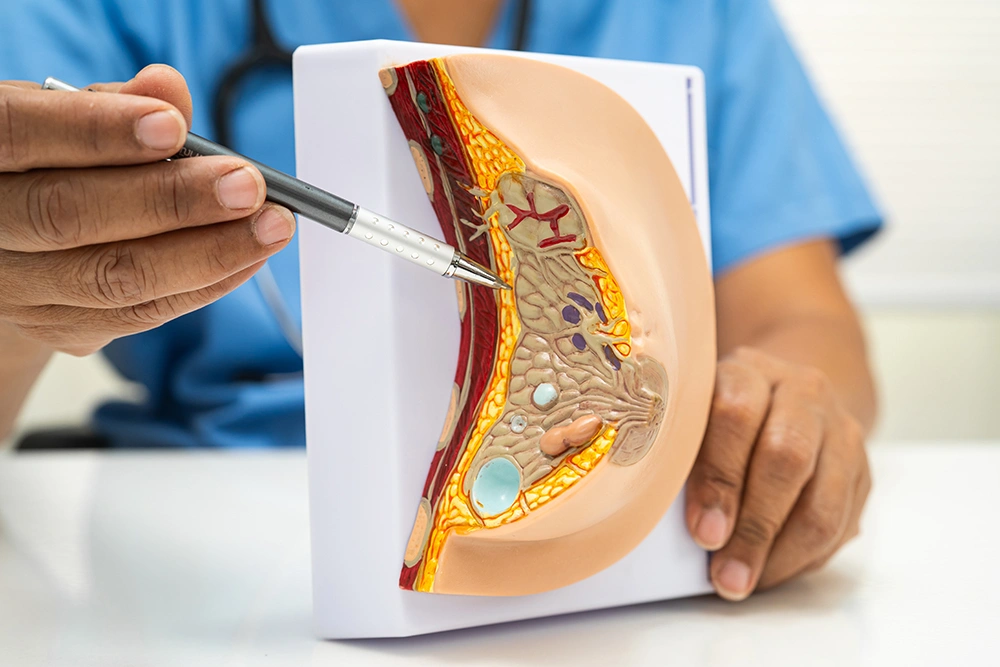
Personalised Breast Cancer Care and Surgical Decision-Making
Breast cancer surgery planning often involves balancing cancer treatment goals with recovery, cosmetic and long-term care considerations. Understanding how specialists recommend lumpectomy or mastectomy may help patients feel more prepared during consultations.
Maven Surgery is a breast cancer clinic in Singapore that provides breast cancer screening, surgical treatment planning and coordinated cancer care. Clinical care and surgical planning are led by Dr Chong Chee Keong, a dual-fellowship-trained breast and colorectal surgeon who previously held leadership roles at Changi General Hospital and SingHealth’s Residency Program. If you are navigating a breast cancer diagnosis, speak with our specialist to discuss surgical options and long-term care planning.
FAQs About Breast Cancer Surgery
Is lumpectomy safer than mastectomy?
Can breast cancer return after lumpectomy or mastectomy?
Can breast reconstruction be performed after mastectomy?
Meet Our Specialist
Dr Chong Chee Keong Breast, Colorectal and General Surgeon MBBS (Singapore), FRCS (Edinburgh), FRCS (Glasgow), FAMS (Singapore) Specialist Accreditation in Intensive Care Medicine Specialists Accreditation Board, Medical Director & Senior Consultant
Dr Chong Chee Keong is a Breast, Colorectal and General Surgeon with over 20 years of clinical experience. Dual-fellowship trained and highly accredited, he founded Maven Surgery with a commitment to elevating the standard of care for breast and colorectal cancers, the two most common cancers affecting women and men.
Dr Chong works closely with multidisciplinary teams of surgical, medical and radiation oncologists and remains actively involved in international cancer conferences to stay at the forefront of advancing techniques. He has a strong focus on minimally invasive surgery, recognising the importance of preserving self-image while maintaining treatment safety and effectiveness.
“Your Partner in Every Step of Recovery and Beyond”
For appointments and enquiries, contact us via form below or call us at (+65) 6355 5285
Mount Elizabeth Novena Specialist Centre
38 Irrawaddy Road #06-33,Singapore 329563
Parkway East Medical Centre
319 Joo Chiat Place #02-05,Singapore 427989
Farrer Park Medical Centre
1 Farrer Park Station Rd #15-13,Singapore 217562
Tel : (+65) 6355 5285
Whatsapp : (+65) 6355 5285
Operating Hours: Monday to Friday: 9:00 AM to 5:00 PM Saturday: 9:00 AM to 1:00 PM Closed on Sundays and Public Holidays