


How Doctors Choose the Right Treatment Plan for Colon Cancer

Dr Chong Chee Keong
Breast, Colorectal and General Surgeon
MBBS (Singapore), FRCS (Edinburgh), FRCS (Glasgow), FAMS (Singapore)
Specialist Accreditation in Intensive Care Medicine
Specialists Accreditation Board, Medical Director & Senior Consultant
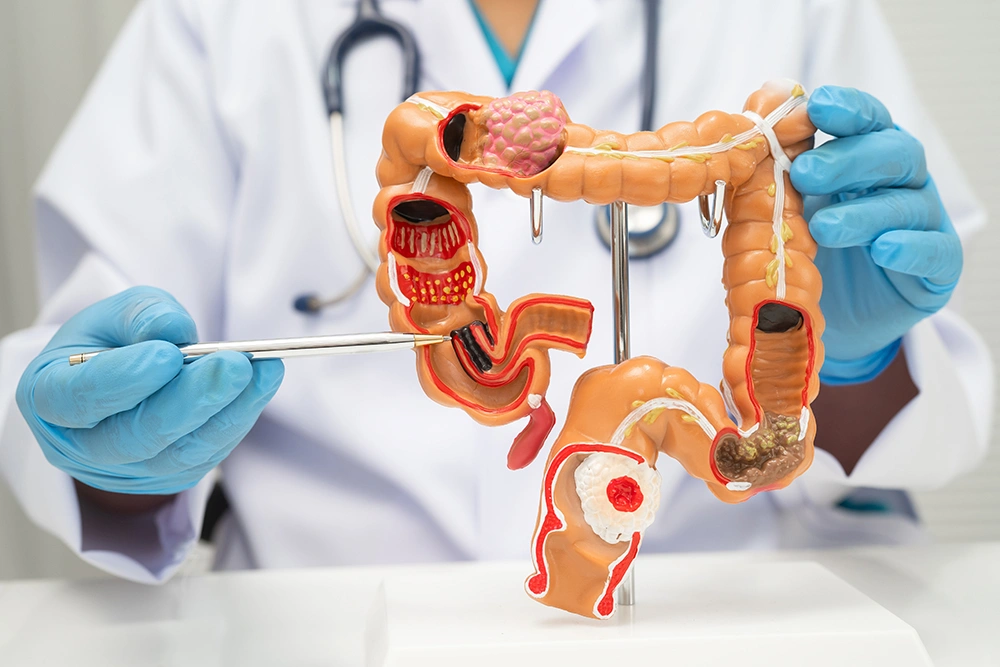
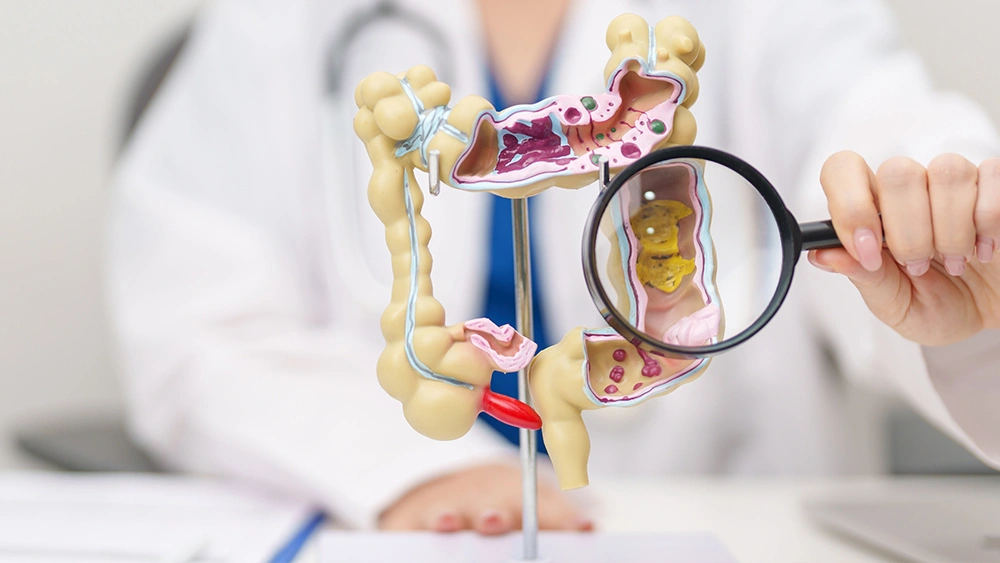
No two colon cancer cases are exactly the same and neither are their treatment plans. Behind every recommendation is a careful decision-making process that takes into account factors such as the stage of the cancer, its location and your overall health. With a clear understanding of how doctors evaluate these elements and tailor treatment accordingly, you can feel more informed, involved and confident as you move forward with your colon cancer care.
What Factors Influence Colon Cancer Treatment Decisions?
Choosing the right treatment plan for colon cancer involves more than just the diagnosis. Doctors take a personalised approach, carefully evaluating several key factors to determine the most suitable course of action for each individual.
One of the most important factors is the stage of the cancer, which indicates how far the cancer has spread. Early-stage cancers may be treated differently from more advanced cases. For example, early-stage colon cancers are often treated with surgery alone, while more advanced stages may require additional treatments such as chemotherapy. The location and size of the tumour also play a role, as they can affect how easily it can be removed and which treatments are most effective.
In addition, your overall health and medical history are taken into consideration. Factors such as age, existing medical conditions and fitness for surgery can influence which treatments are appropriate. In some cases, this may mean adjusting the treatment approach to prioritise safety and recovery. Because every case is unique, treatment plans are tailored to balance effectiveness, safety and quality of life.
Understanding the Stages of Colon Cancer
The stage of colon cancer is one of the most important factors in deciding the best treatment. Staging describes how far the cancer has grown or spread.
Colon cancer is usually classified from Stage 0 to Stage IV:
- Stage 0: Cancer is found only in the inner lining of the colon.
- Stage I: Cancer has grown into the deeper layers of the colon wall but has not spread outside the colon.
- Stage II: Cancer has grown through the wall of the colon but has not spread to nearby lymph nodes.
- Stage III: Cancer has spread to nearby lymph nodes but not to distant organs.
- Stage IV: Cancer has spread to other parts of the body, such as the liver or lungs.
In general, Stage 0 and I cancers are often highly treatable with surgery alone. Stage II may sometimes require additional treatment depending on risk factors, while Stage III typically involves chemotherapy after surgery. Stage IV treatment focuses on controlling the disease, relieving symptoms and prolonging survival.
Common Treatment Options for Colon Cancer
There are several treatment options available for colon cancer, and the most appropriate approach depends on the stage of the disease and individual patient factors. In many cases, doctors may use one or a combination of the following treatments:
Colon Cancer Surgery
Surgery is often the main treatment, especially in early-stage colon cancer, and aims to remove the tumour completely. It involves removing the cancerous section of the colon along with nearby lymph nodes.Chemotherapy
Chemotherapy uses medication to destroy cancer cells and is often recommended after surgery for Stage III cancer or certain higher-risk Stage II cases to reduce the risk of recurrence.Targeted Therapy
These treatments focus on specific molecules involved in cancer growth and are typically used in advanced or metastatic cases.Radiation Therapy
Although less commonly used for colon cancer, radiation therapy may be considered in selected cases, particularly when the cancer cannot be fully removed or has spread.
The choice of treatment depends on how the cancer presents and how your body is expected to respond, ensuring a balanced approach between effectiveness and safety.

How Doctors Finalise Your Treatment Plan
After evaluating the cancer and reviewing suitable treatment options, doctors bring everything together to create a plan tailored specifically to you. This stage focuses on deciding the right combination and sequence of treatments to achieve the best possible outcome.
Treatment planning is often done by a multidisciplinary team, which may include a colorectal surgeon, medical oncologist, radiologist and other specialists. Each expert contributes their perspective to ensure all aspects of your condition are carefully considered.
Doctors also take into account your personal preferences, lifestyle and treatment goals, ensuring that the plan is not only effective but also manageable for you. This collaborative approach helps ensure that your treatment is well-coordinated, balanced and aligned with your overall care needs.
Tailored Colon Cancer Treatment Planning at Maven Surgery
Understanding how doctors choose a treatment plan for colon cancer can help you feel more informed and confident about your care. Each decision is carefully tailored to your condition, ensuring the most effective and appropriate approach. If you have concerns or questions, speaking to a specialist can help guide you towards the best path forward.
At Maven Surgery, patients are supported by a dedicated team that prioritises seamless, coordinated care with well-structured treatment plans tailored to their needs. Dr Chong Chee Keong, a dual-fellowship trained surgeon with over 20 years of experience, combines advanced techniques with a compassionate approach to deliver effective and holistic care. If you have been diagnosed with colon cancer or would like tailored advice on your treatment options, schedule a consultation with us to take a confident step forward in your care journey.
FAQs About Doctors Choosing Treatment Plans for Colon Cancer
How long does it take to create a treatment plan for colon cancer?
Will I need a second opinion before starting treatment?
Can treatment plans change over time?
How do doctors monitor progress during treatment?
What happens after treatment is completed?
Meet Our Specialist
Dr Chong Chee Keong Breast, Colorectal and General Surgeon MBBS (Singapore), FRCS (Edinburgh), FRCS (Glasgow), FAMS (Singapore) Specialist Accreditation in Intensive Care Medicine Specialists Accreditation Board, Medical Director & Senior Consultant
Dr Chong Chee Keong is a Breast, Colorectal and General Surgeon with over 20 years of clinical experience. Dual-fellowship trained and highly accredited, he founded Maven Surgery with a commitment to elevating the standard of care for breast and colorectal cancers, the two most common cancers affecting women and men.
Dr Chong works closely with multidisciplinary teams of surgical, medical and radiation oncologists and remains actively involved in international cancer conferences to stay at the forefront of advancing techniques. He has a strong focus on minimally invasive surgery, recognising the importance of preserving self-image while maintaining treatment safety and effectiveness.
“Your Partner in Every Step of Recovery and Beyond”
For appointments and enquiries, contact us via form below or call us at (+65) 6355 5285

Mount Elizabeth Novena Specialist Centre
38 Irrawaddy Road #06-33,Singapore 329563
Parkway East Medical Centre
319 Joo Chiat Place #02-05,Singapore 427989
Farrer Park Medical Centre
1 Farrer Park Station Rd #15-13,Singapore 217562
Tel : (+65) 6355 5285
Whatsapp : (+65) 6355 5285
Operating Hours: Monday to Friday: 9:00 AM to 5:00 PM Saturday: 9:00 AM to 1:00 PM Closed on Sundays and Public Holidays