


Should You Get a Colonoscopy Even If You Have No Symptoms?

Dr Chong Chee Keong
Breast, Colorectal and General Surgeon
MBBS (Singapore), FRCS (Edinburgh), FRCS (Glasgow), FAMS (Singapore)
Specialist Accreditation in Intensive Care Medicine
Specialists Accreditation Board, Medical Director & Senior Consultant
Colorectal cancer is one of the most common cancers, yet it is also among the most preventable with timely screening. Because the early stages often cause no symptoms, many people may be unaware of underlying changes. A colonoscopy plays a crucial role in identifying issues early and helping to safeguard long-term digestive health. By detecting and removing precancerous polyps before they develop further, screening can significantly reduce the risk of future complications. Choosing to undergo a colonoscopy while you feel well can be a proactive step toward protecting your health.
What Is a Colonoscopy and How Does It Work?
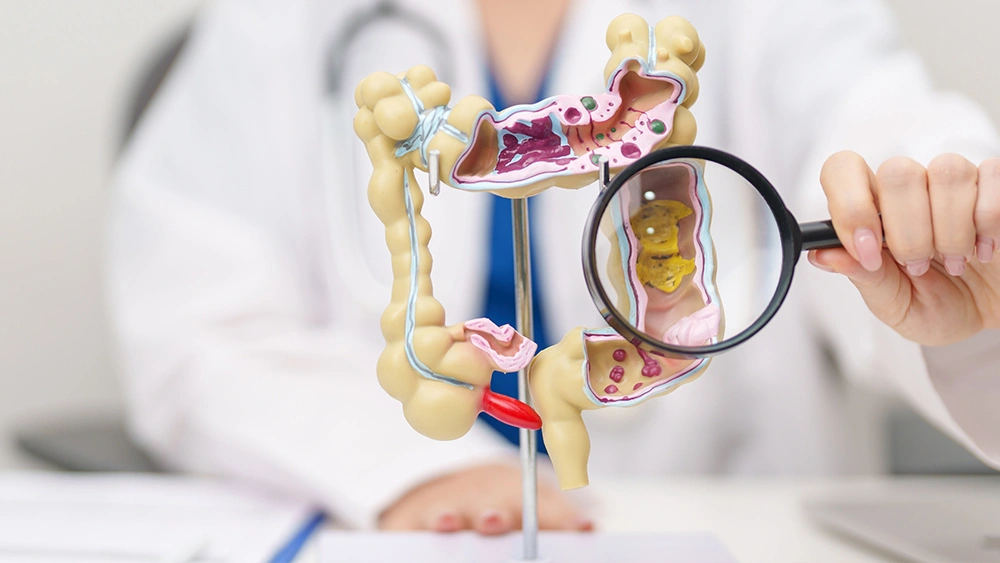
A colonoscopy is a medical procedure that allows a doctor to examine the inner lining of the large intestine using a thin, flexible tube fitted with a small camera. This procedure helps detect abnormalities such as polyps, inflammation or early signs of colorectal cancer. During the examination, suspicious growths can often be removed immediately and sent for further analysis.
The procedure is typically performed under sedation to ensure comfort and most patients can return home on the same day. By directly visualising the colon, colonoscopy remains one of the most effective tools for detecting and preventing colorectal cancer.
How Does Colorectal Cancer Develop Without Symptoms?
In its early stages, colorectal cancer may develop without causing noticeable symptoms. This is because early changes in the colon or rectum often do not interfere with normal bowel function. As a result, many people may not realise there is a problem. Several factors may explain why symptoms may not appear early:
Small polyps often cause no discomfort
Precancerous polyps can grow slowly along the lining of the colon without affecting daily bowel habits.The colon has a large internal space
Early tumours may not block the passage of stool or cause noticeable digestive changes.Symptoms may only appear when the cancer grows larger
Signs such as rectal bleeding, persistent changes in bowel habits or unexplained weight loss may develop later as the disease progresses.
What Are the Benefits of Regular Colonoscopy Screening?
Regular colonoscopy screening plays an important role in preventing colorectal cancer. By detecting and removing precancerous polyps early, the procedure can stop cancer from developing before it begins. This makes colonoscopy not only a diagnostic test but also a preventive one.
In addition to cancer prevention, screening can identify other conditions such as inflammation or sources of bleeding that may not yet be causing symptoms. For individuals without noticeable bowel issues, regular screening provides reassurance and supports long-term digestive health through early detection and timely management.
Who Should Consider a Colonoscopy Even Without Symptoms?
Colonoscopy screening is commonly recommended for adults aged 50 and above, even if they feel completely well. Screening may be advised earlier for individuals with a family history of colorectal cancer, a personal history of polyps, or certain medical conditions that increase risk.
It is important to remember that early colorectal cancer and precancerous polyps often do not cause noticeable symptoms. Waiting for warning signs such as rectal bleeding, unexplained weight loss or persistent changes in bowel habits may mean the condition has already progressed. Proactive screening allows potential issues to be identified and addressed at an earlier, more treatable stage.
Prioritising Preventive Care with Maven Surgery
Even in the absence of symptoms, regular colonoscopy can play a crucial role in reducing the risk of colorectal cancer through early detection and timely intervention. Making screening part of your routine healthcare is a proactive step toward safeguarding your long-term well-being.
Here at Maven Surgery, we provide a careful and supportive approach to colonoscopy screening, guiding you through each step with clarity and reassurance. Dr Chong Chee Keong, a dual-fellowship trained surgeon with more than 20 years of experience and a Member of the Singapore Medical Association, combines clinical expertise with attentive care to deliver precise assessments and personalised recommendations. If you are due for colorectal screening or would like tailored advice, schedule a consultation with us to take a proactive step toward protecting your long-term health.
Meet Our Specialist
Dr Chong Chee Keong Breast, Colorectal and General Surgeon MBBS (Singapore), FRCS (Edinburgh), FRCS (Glasgow), FAMS (Singapore) Specialist Accreditation in Intensive Care Medicine Specialists Accreditation Board, Medical Director & Senior Consultant
Dr Chong Chee Keong is a Breast, Colorectal and General Surgeon with over 20 years of clinical experience. Dual-fellowship trained and highly accredited, he founded Maven Surgery with a commitment to elevating the standard of care for breast and colorectal cancers, the two most common cancers affecting women and men.
Dr Chong works closely with multidisciplinary teams of surgical, medical and radiation oncologists and remains actively involved in international cancer conferences to stay at the forefront of advancing techniques. He has a strong focus on minimally invasive surgery, recognising the importance of preserving self-image while maintaining treatment safety and effectiveness.
Frequently Asked Questions About Colonoscopies
Is colonoscopy safe?
How often should I repeat a colonoscopy if my results are normal?
Are there alternatives to colonoscopy for colorectal screening?
Can polyps return after they are removed?
What happens if something abnormal is found during my colonoscopy?
“Your Partner in Every Step of Recovery and Beyond”
For appointments and enquiries, contact us via form below or call us at (+65) 6355 5285
Mount Elizabeth Novena Specialist Centre
38 Irrawaddy Road #06-33,Singapore 329563
Parkway East Medical Centre
319 Joo Chiat Place #02-05,Singapore 427989
Farrer Park Medical Centre
1 Farrer Park Station Rd #15-13,Singapore 217562
Tel : (+65) 6355 5285
Whatsapp : (+65) 6355 5285
Operating Hours: Monday to Friday: 9:00 AM to 5:00 PM Saturday: 9:00 AM to 1:00 PM Closed on Sundays and Public Holidays