






Mastectomy Procedures in Singapore

Dr Chong Chee Keong
Breast, Colorectal and General Surgeon
MBBS (Singapore), FRCS (Edinburgh), FRCS (Glasgow), FAMS (Singapore)
Specialist Accreditation in Intensive Care Medicine
Specialists Accreditation Board
A mastectomy is a surgical procedure to remove breast tissue as part of the treatment or risk reduction of breast cancer. It is recommended when breast-conserving surgery is not appropriate or when complete removal of the breast offers better disease control.
Mastectomy may be performed to treat diagnosed breast cancer or as a preventive measure in individuals with a high genetic risk. While it is a major procedure, it is undertaken to support long-term cancer management and ongoing care planning.

Who Is a Candidate?
While mastectomy is not always necessary, it may be considered in specific circumstances after careful assessment of both medical and personal factors.
- Early-stage breast cancer in selected cases: Mastectomy may be advised when the tumour occupies a larger portion of the breast or when breast-conserving surgery is unlikely to achieve clear margins.
- Tumour size and location: Cancers involving multiple areas of the breast or those located close to the nipple or skin may be better managed with mastectomy to ensure adequate treatment.
- Breast size and anatomy: The relationship between tumour size and breast volume can influence whether conservation surgery is feasible or whether mastectomy offers a more reliable outcome.
- Personal preference and treatment priorities: Some patients choose mastectomy for peace of mind or to avoid radiation, even when other options exist. These choices are respected and guided by medical advice to ensure safety and suitability.
Types of Mastectomy
Several mastectomy approaches are available, each designed to address different clinical needs and goals.
Simple (Total) Mastectomy
A simple or total mastectomy removes all breast tissue, including the nipple and areola, while leaving the chest muscles intact. It is commonly recommended when cancer is limited to the breast itself and there is no clear evidence of extensive lymph node involvement.
Modified Radical Mastectomy
In addition to removing the breast, lymph nodes under the arm are also removed. This approach may be recommended when lymph node spread is known or suspected.
Radical Mastectomy
A radical mastectomy is rarely performed today and is reserved for specific situations. It may be considered when cancer has invaded the chest wall muscles, in cases of recurrence that do not respond to other treatments or when locally advanced disease involving the muscles has not improved with therapies such as chemotherapy.
Skin-Sparing Mastectomy
A skin-sparing mastectomy involves removing the breast tissue while preserving most of the overlying breast skin. The nipple and areola are usually removed, although this depends on tumour location and clinical suitability. By maintaining the natural skin envelope, this approach facilitates immediate breast reconstruction and can help achieve a more natural breast shape.
Nipple-Sparing Mastectomy
This procedure preserves both the breast skin and the nipple, helping maintain a more natural appearance. Careful evaluation is essential to confirm that the cancer has not reached the nipple or surrounding tissue, ensuring the procedure is safe. It is often combined with immediate reconstruction for optimal cosmetic results.
Double / Bilateral Mastectomy
Both breasts are removed either because cancer is present in both or as a preventive measure for patients at high risk. This approach can provide peace of mind for those concerned about future cancer development and may be combined with reconstruction for symmetry.
Prophylactic / Risk-Reducing Mastectomy
Performed to lower the chance of developing breast cancer, this surgery is considered for individuals with strong genetic or family risk factors, such as BRCA mutations. Even when no cancer is currently detected, it can offer long-term reassurance while still allowing for reconstructive options.
Who Needs a Mastectomy?
In some situations, mastectomy may be the most suitable approach to breast cancer treatment.
- Tumour size relative to breast size: When the tumour occupies a significant portion of the breast, achieving clear margins with breast-conserving surgery may be difficult, making mastectomy a safer option.
- Multiple areas affected: Cancer that involves more than one part of the breast may not be adequately treated with limited surgery, and mastectomy ensures comprehensive removal of the disease.
- Recurrence after previous surgery: If cancer returns following breast-conserving surgery, mastectomy may be recommended to lower the risk of further recurrence.
- Genetic risk factors: Patients with inherited mutations such as BRCA1 or BRCA2 may consider mastectomy to reduce the likelihood of developing breast cancer in the future.
- Personal preference: Some individuals choose mastectomy for emotional reassurance, peace of mind or to avoid multiple procedures, and these preferences are always considered alongside medical guidance.
Mastectomy Surgery: Procedure Steps
Understanding what happens during mastectomy can help ease anxiety and give you confidence in your care. While every patient's experience may differ, the procedure generally follows these steps:
- Preoperative Preparation: Before surgery, your surgeon will review imaging, biopsy results, and other diagnostic tests to determine the best surgical approach. Discussions about reconstruction, potential lymph node assessment, and overall treatment goals ensure your procedure is tailored to your needs. You may also undergo blood tests, ECG, or other assessments to confirm you are fit for surgery.
- Anaesthesia: Mastectomy is performed under general anaesthesia, meaning you will be completely asleep and pain-free throughout the operation. An anaesthetist monitors your vital signs carefully to ensure safety during the procedure.
- Incision and Tissue Removal: The surgeon makes an incision based on the type of mastectomy planned. Breast tissue is carefully removed while preserving underlying chest muscles. The approach is designed to remove all targeted tissue while minimizing trauma to surrounding structures.
- Lymph Node Assessment and Reconstruction: If indicated, sentinel lymph nodes or more extensive axillary lymph node removal may be performed during the same surgery. For patients opting for immediate reconstruction, breast implants or tissue flap reconstruction can be done at this stage, coordinated with the mastectomy to optimise cosmetic results.
- Closure: Once the breast tissue is removed and any reconstruction completed, the surgeon closes the incision with sutures or surgical glue and applies dressings or drains if needed. You will then be monitored in the recovery area as anaesthesia wears off, ensuring your vital signs are stable before moving to your hospital room.
- Hospital Stay and Recovery Guidance: The length of stay usually ranges from 1 to 3 days, depending on the procedure and whether reconstruction was performed. Before discharge, the care team provides detailed instructions on wound care, managing pain, activity limitations and follow-up appointments. You will also receive guidance on what signs or symptoms should prompt urgent medical attention.
Benefits of Mastectomy
When chosen appropriately, mastectomy can provide multiple advantages:
- Effective cancer control: Removing all breast tissue can help ensure comprehensive treatment in selected cases.
- Option when breast-conserving surgery isn't suitable: For patients with certain tumour characteristics, mastectomy may be the safest and most effective approach.
- Reduced risk of recurrence: In some situations, mastectomy lowers the likelihood of cancer returning in the treated breast.
- Peace of mind for high-risk patients: For individuals with strong genetic predispositions, mastectomy can provide long-term reassurance and reduced anxiety about future cancer.
Risks & Complications
As with any major surgery, mastectomy carries some potential risks and side effects:
- Surgical risks: Bleeding, infection, or wound healing issues can occur, but these are closely monitored by your care team.
- Numbness and sensory changes: Some patients experience altered sensation across the chest area, which may improve gradually over time.
- Lymphedema: If lymph nodes are removed, there is a risk of swelling in the arm or hand, which is managed with ongoing monitoring and care.
- Scarring and body image changes: Physical changes after surgery can be emotionally challenging, and supportive care is offered to help patients adjust.
- Implant-related risks: When reconstruction uses implants, additional risks such as infection or displacement are discussed before surgery to ensure informed decisions.
Specialised Mastectomy Care
at Maven Surgery
Mastectomy may be recommended when it offers the safest and most effective treatment for breast cancer. At Maven Surgery, mastectomy procedures are carefully planned to achieve optimal cancer control while considering reconstruction options and recovery. With extensive experience in breast surgery, Dr Chong Chee Keong provides individualised guidance to support informed decision-making.
If mastectomy has been advised or you would like to explore whether it is appropriate for your condition, arrange a consultation to discuss your options and the next steps in your treatment journey.
Frequently Asked Questions on Mastectomies
Does mastectomy completely eliminate the risk of breast cancer recurrence?
Can I decide on reconstruction years after my mastectomy?
Will I permanently lose sensation in my chest after mastectomy?
How long before I can travel after mastectomy?
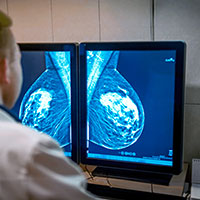
Do I still need mammograms after a mastectomy?
Our Breast Surgeon in Singapore
Dr Chong Chee Keong
Breast, Colorectal and General Surgeon
MBBS (Singapore), FRCS (Edinburgh), FRCS (Glasgow), FAMS (Singapore)
Specialist Accreditation in Intensive Care Medicine
Specialists Accreditation Board
Dr Chong Chee Keong is a senior consultant surgeon with extensive experience in breast cancer treatment. He manages patients across the full spectrum of care, from diagnosis and surgical planning to post-operative follow-up. With over two decades of clinical practice, he has supported many patients through mastectomy and related breast procedures, ensuring care is guided by both medical expertise and individual needs.
“Your Partner in Every Step of Recovery and Beyond”
For appointments and enquiries, contact us via form below or call us at (+65) 6355 5285
Mount Elizabeth Novena Specialist Centre
38 Irrawaddy Road #06-33,Singapore 329563
Parkway East Medical Centre
319 Joo Chiat Place #02-05,Singapore 427989
Farrer Park Medical Centre
1 Farrer Park Station Rd #15-13,Singapore 217562
Tel : (+65) 6355 5285
Whatsapp : (+65) 6355 5285
Operating Hours: Monday to Friday: 9:00 AM to 5:00 PM Saturday: 9:00 AM to 1:00 PM Closed on Sundays and Public Holidays