


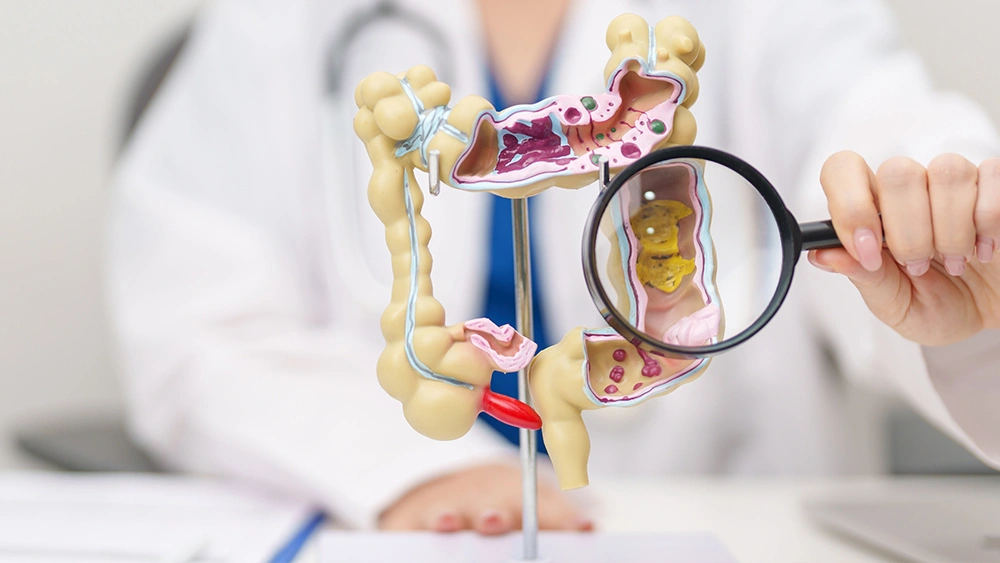
Colorectal Cancer Surgery in Singapore
Dr Chong Chee Keong
Breast, Colorectal and General Surgeon
MBBS (Singapore), FRCS (Edinburgh), FRCS (Glasgow), FAMS (Singapore)
Specialist Accreditation in Intensive Care Medicine
Specialists Accreditation Board
Colorectal cancer is the second most common cancer affecting men and women in Singapore, with cases steadily on the rise. It begins in the colon or rectum, often developing slowly from precancerous polyps. Because early detection makes a significant difference in outcomes, timely intervention is essential. This is where colorectal surgery plays a vital role. The procedure carefully removes cancerous tissue while preserving healthy bowel function, often using advanced techniques that help shorten recovery and support a smoother return to daily life.
What Is Colorectal Cancer?
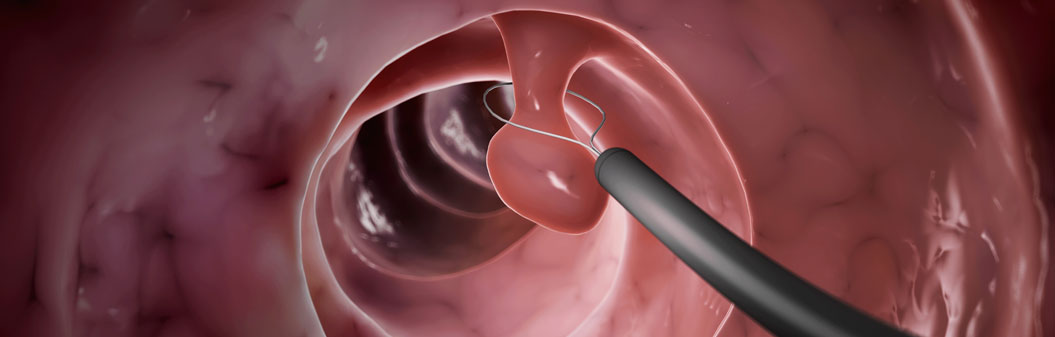
Colorectal cancer develops when cells in the lining of the colon or rectum grow and divide abnormally. Most cases begin as adenomatous polyps, which are small, non-cancerous growths that form on the inner lining of the large bowel. Over time, usually over five to 10 years, some polyps may accumulate genetic changes that cause them to become cancerous.
Because this transformation is typically slow, regular colorectal cancer screening provides an important opportunity to detect and remove polyps before they develop into cancer.
In Singapore, colorectal cancer accounts for approximately 15.9% of all new cancer diagnoses, making it the most commonly diagnosed cancer when men and women are considered together. Between 2019 and 2023, more than 12,950 cases were recorded in Singapore. Although colorectal cancer is more common in people aged 50 and above, cases among adults under 50 have been increasing in recent years, particularly rectal cancer.
Early detection through regular screening and prompt medical assessment of persistent symptoms can improve treatment outcomes. If you notice ongoing changes in your bowel habits or have concerns about your colorectal health, it is advisable to consult a healthcare professional for further evaluation.
Who Is at Risk of Colorectal Cancer?
Understanding who is more likely to develop colorectal cancer can help in taking preventive steps and seeking timely medical advice.
- Age: Risk increases significantly after the age of 50. While younger individuals can be affected, routine screening is often recommended for older adults.
- Family history: A close relative with colorectal cancer or certain genetic syndromes increases your risk, making early surveillance crucial.
- Lifestyle factors: Diets high in red or processed meat, low in fibre, excessive alcohol consumption, smoking and lack of regular exercise can contribute to the development of colorectal cancer.
- Medical conditions: Chronic conditions such as inflammatory bowel disease, ulcerative colitis or Crohn's disease, and a history of polyps can increase susceptibility.
- Personal history of cancer: Individuals who have previously had colorectal cancer or other cancers may require closer monitoring and screening.
in colorectal cancer outcomes.
Common Symptoms of Colorectal Cancer
Colorectal cancer often causes no noticeable symptoms in its early stages, which is why regular screening is recommended even for people who feel well. When symptoms do occur, they may include:
Blood in the stool or rectal bleeding
Blood may appear as bright red blood on the stool or toilet paper, or cause the stool to appear dark or black. While bleeding can result from conditions such as haemorrhoids, it should not be assumed to be harmless without a medical assessment, as it can also be a symptom of colorectal cancer.Persistent changes in bowel habits
Changes in bowel habits that last for several weeks should be assessed by a doctor. These may include passing stools more or less frequently than usual, changes in stool consistency or stools that become narrower than normal without an obvious dietary or temporary cause.Diarrhoea or constipation
Persistent diarrhoea or constipation that does not improve or cannot be explained by dietary changes, medication or a short-term illness may indicate an underlying condition that requires further evaluation.Abdominal discomfort or cramping
Ongoing abdominal pain, cramping, bloating or excessive gas without a clear cause may be associated with colorectal cancer or other digestive conditions. Persistent symptoms should be assessed, particularly if they worsen over time.Unexplained fatigue and weight loss
Persistent tiredness or unintentional weight loss without an obvious cause can sometimes occur with colorectal cancer, especially when accompanied by other symptoms. These changes should be discussed with a healthcare professional for appropriate evaluation.
Experiencing one or more of these symptoms does not necessarily mean you have colorectal cancer, as they can also be caused by other digestive conditions. However, if the symptoms persist, recur or worsen, it is important to seek medical assessment. People with risk factors for colorectal cancer should also speak with a healthcare professional about whether screening is appropriate, even if they do not have symptoms.
Types of Colorectal Cancer
Colorectal cancer can be classified according to where it develops in the large bowel or by the type of cells from which it arises. Understanding the different types helps guide diagnosis, treatment planning and discussions about prognosis. The most common classifications include:
Colon Cancer
Colon cancer develops in the colon, which is the longest part of the large intestine. It is the more common form of colorectal cancer, accounting for around 70% of cases, and can arise anywhere along the length of the colon.Rectal Cancer
Rectal cancer develops in the rectum, the final section of the large intestine before the anus. It accounts for around 30% of colorectal cancer cases in Singapore. Because the rectum is located close to structures such as the bladder, prostate (in men) and uterus (in women), treatment may be more complex and can involve a combination of surgery, radiotherapy and chemotherapy.Adenocarcinoma
More than 90% of colorectal cancers are adenocarcinomas, which develop from the glandular cells lining the inner wall of the colon or rectum. These cancers often arise from adenomatous polyps that gradually become cancerous over several years.Mucinous Adenocarcinoma
Mucinous adenocarcinoma is a less common subtype of adenocarcinoma in which the tumour produces large amounts of mucus. It may behave differently from conventional adenocarcinoma and can influence treatment planning and prognosis.Neuroendocrine Tumours (Carcinoid Tumours)
Neuroendocrine tumours are rare cancers that develop from hormone-producing cells in the lining of the bowel. They often grow more slowly than adenocarcinomas and may not cause symptoms until they become larger or spread.
Accurate diagnosis involves more than identifying where the cancer is located. The tumour type, grade and molecular characteristics all help guide treatment decisions. Dr Chong will explain these findings and discuss how they influence the most appropriate treatment options for each individual.
Stages of Colorectal Cancer
Staging describes how far colorectal cancer has grown or spread at the time of diagnosis. It helps doctors determine the most appropriate treatment approach and estimate prognosis.
Colorectal cancer is staged using the TNM system, which assesses the size and extent of the tumour (T), whether it has spread to nearby lymph nodes (N) and whether there is metastasis (M) to distant organs. These findings are then grouped into an overall stage ranging from Stage 0 to Stage IV.
Stage 0 — Carcinoma In Situ
Abnormal cells are confined to the innermost lining of the colon or rectum and have not invaded deeper layers of tissue. This is the earliest stage of colorectal cancer. In many cases, these abnormal growths can be removed during a colonoscopy without the need for major surgery.Stage I — Early-Stage Cancer
The cancer has grown into the inner layers of the bowel wall but has not spread to nearby lymph nodes or distant organs. Surgery is usually the primary treatment and is often associated with a high chance of cure.Stage II — Localised Cancer
The cancer has grown through the bowel wall and may have extended into nearby tissues, but it has not spread to the lymph nodes or distant organs. Surgery is the main treatment, although some patients may also benefit from chemotherapy depending on the tumour's pathological features and other risk factors.Stage III — Regional Spread
The cancer has spread to nearby lymph nodes but not to distant organs. Treatment typically involves surgery followed by adjuvant chemotherapy to reduce the risk of recurrence. For rectal cancer, radiotherapy may also be recommended as part of the treatment plan.Stage IV — Metastatic
The cancer has spread to distant organs, most commonly the liver, lungs or peritoneum. Treatment focuses on controlling the disease, relieving symptoms and maintaining quality of life. Depending on the extent of the disease and the patient's overall health, treatment may include surgery, chemotherapy, targeted therapy, immunotherapy or a combination of these approaches.
At Maven Surgery, Dr Chong works with each patient to understand their diagnosis fully before developing a coordinated, personalised treatment plan tailored to their stage and individual circumstances.
Diagnosis & Screening for Colorectal Cancer
Early detection plays an important role in improving colorectal cancer outcomes. Screening can identify precancerous polyps before they become cancerous, while diagnostic tests help determine the cause of symptoms such as rectal bleeding, persistent changes in bowel habits or unexplained weight loss.
Colonoscopy
A colonoscopy is the gold standard investigation for detecting colorectal cancer and precancerous polyps. During the procedure, a thin, flexible tube with a camera is passed through the colon to examine the lining of the large intestine. If polyps are found, they can often be removed during the same procedure, making colonoscopy both a diagnostic and preventive test.
For people at average risk, colorectal cancer screening is generally recommended from age 50 in Singapore. Those with a family history of colorectal cancer or other risk factors may need to begin screening earlier or undergo screening more frequently.Faecal Immunochemical Test (FIT)
The faecal immunochemical test (FIT) is a non-invasive stool test that detects small amounts of blood that may not be visible to the naked eye. It is commonly used as a screening test and is usually performed annually. A positive FIT result does not confirm colorectal cancer but indicates that further evaluation with a colonoscopy is needed.CT Scan and MRI
Imaging tests help determine the size and location of a tumour and whether it has spread beyond the bowel. CT scans are commonly used to assess the chest, abdomen and pelvis for the spread of cancer, particularly to the liver and lungs. MRI is especially important for staging rectal cancer and planning treatment.Blood Tests and Tumour Markers
Blood tests may be performed to assess a person's overall health before treatment. A carcinoembryonic antigen (CEA) blood test may also be ordered. Although CEA is not used to diagnose or screen for colorectal cancer, it can help monitor treatment response and detect possible recurrence after treatment.Biopsy
If an abnormal area is found during a colonoscopy, a small tissue sample (biopsy) is taken and examined under a microscope. A biopsy is the only way to confirm a diagnosis of colorectal cancer. It also provides important information about the tumour type, grade and other characteristics that help guide treatment planning.
If you are due for colorectal cancer screening or have persistent bowel symptoms, it is important to seek medical assessment. Early evaluation can help identify the cause of your symptoms and determine whether further investigations or treatment are needed.
Colorectal Cancer Treatment Options
Colorectal cancer treatment is tailored to the stage of the disease, the tumour's location and characteristics, and the patient's overall health.
Minimally Invasive Surgery (Laparoscopic)
Laparoscopic (keyhole) surgery is the preferred surgical approach for many patients with colorectal cancer. Performed through several small incisions, it offers less post-operative pain, a shorter hospital stay and a faster recovery compared with open surgery, while providing comparable cancer control in appropriately selected patients.Open Resection
Open surgery may be recommended when the tumour is large, the anatomy is complex or a minimally invasive approach is not suitable. The procedure allows the surgeon to remove the cancer together with nearby lymph nodes while aiming to achieve clear surgical margins.Local Excision
Selected patients with very early-stage rectal cancer may be suitable for local excision, in which the tumour is removed through the rectum without major abdominal surgery. This approach preserves more of the rectum and may offer a quicker recovery, although it is only appropriate for carefully selected cases.Polypectomy
Precancerous polyps and some very early colorectal cancers can often be removed during a colonoscopy using a procedure known as a polypectomy. Removing these growths before they become invasive can prevent colorectal cancer from developing. In selected early cancers, polypectomy alone may be sufficient treatment.Colostomy
Some patients, particularly those with rectal cancer close to the anal sphincter, may require a temporary or permanent colostomy. A temporary colostomy allows the bowel to heal after surgery before it is reconnected. A permanent colostomy may be necessary when it is not possible or safe to reconnect the bowel.Chemotherapy
Chemotherapy uses anti-cancer medicines to destroy cancer cells throughout the body. It may be given before surgery (neoadjuvant chemotherapy) to shrink a tumour or after surgery (adjuvant chemotherapy) to reduce the risk of recurrence. Chemotherapy is commonly recommended for Stage III colorectal cancer and many Stage IV cancers, although some patients with Stage II disease may also benefit depending on their pathological risk factors.Radiation Therapy
Radiotherapy uses high-energy radiation to destroy cancer cells. It is used primarily in the treatment of rectal cancer, either before surgery to reduce the size of the tumour or after surgery in selected cases to lower the risk of local recurrence. Radiotherapy is generally not part of standard treatment for colon cancer.Targeted Therapy & Immunotherapy
For advanced colorectal cancer, targeted therapy and immunotherapy may be appropriate for selected patients. These treatments work by targeting specific molecular changes or helping the immune system recognise and attack cancer cells. Molecular testing of the tumour helps determine whether these therapies are suitable
Treatment for colorectal cancer often involves a combination of different approaches. At Maven Surgery, Dr Chong works closely with a multidisciplinary team to develop a personalised treatment plan based on each patient's diagnosis, stage of disease and treatment goals.
Minimally Invasive vs. Open Colorectal Surgery
Both minimally invasive (laparoscopic) surgery and open surgery are established techniques for treating colorectal cancer. The most appropriate approach depends on factors such as the size and location of the tumour, the stage of the cancer, previous abdominal surgery and the patient's overall health.
| Feature | Minimally Invasive (Laparoscopic) Surgery | Open Surgery |
|---|---|---|
| Surgical approach | Performed through several small incisions using a camera and specialised instruments. | Performed through a single larger incision to allow direct access to the colon or rectum. |
| Suitable for | Many patients with colorectal cancer who are suitable candidates for minimally invasive surgery. | Patients with larger or more complex tumours, extensive scar tissue from previous surgery or situations where a minimally invasive approach is not appropriate. |
| Post-operative pain | Generally less post-operative pain. | Typically associated with greater post-operative discomfort. |
| Blood loss | Usually less blood loss during surgery. | May involve greater blood loss, depending on the complexity of the operation. |
| Hospital stay | Often shorter. | May be longer, depending on the procedure and recovery. |
| Recovery | Many patients return to normal activities sooner. | Recovery generally takes longer than with laparoscopic surgery. |
| Cancer outcomes | Comparable long-term cancer outcomes to open surgery for appropriately selected patients. | Comparable long-term cancer outcomes when performed for appropriate indications. |
Your Colorectal Surgery Journey: Step-by-Step
While every patient's experience with colorectal surgery is unique, understanding each stage of the process can help ease anxiety and give you confidence in what lies ahead.
Step 1: Initial Consultation & Assessment
Your journey begins with a detailed consultation to review your symptoms, medical history, and screening results. This allows the surgeon to assess your overall health and determine whether colorectal surgery is suitable.Step 2: Diagnostic Evaluation & Planning
Accurate diagnosis is critical for effective treatment. Tests such as colonoscopy, imaging scans, and blood work provide a clear picture of the tumour's size, location, and characteristics. This information allows your surgical team to create a personalised plan and discuss the best approach for your procedure.Step 3: Pre-operative Preparation
Before surgery, you may receive instructions on diet adjustments, bowel preparation and medications. Pre-operative assessments ensure your body is ready for surgery and help reduce potential complications.Step 4: The Surgical Procedure
Surgery may be performed using minimally invasive laparoscopic techniques or traditional open surgery depending on the tumour and your health. The goal is to remove cancerous tissue while preserving as much normal bowel function as possible, often with advanced techniques to support faster recovery.Step 5: Immediate Post-operative Recovery
After surgery, you will be closely monitored in the hospital to support a safe recovery. Pain management, early mobilisation and the gradual reintroduction of food all help the healing process. Your care team will also keep a close watch for early complications, such as bleeding, infection or changes in bowel function, so any issues can be addressed promptly.Step 6: Hospital Discharge Planning
Before leaving the hospital, you will receive detailed guidance on wound care, dietary adjustments, medications, activity levels and stoma care if needed. The care team will ensure you feel confident managing recovery at home with the right resources and support.Step 7: Follow-Up Care & Long-Term Monitoring
Recovery continues with regular follow-up visits, imaging, and blood tests to monitor for recurrence. Your surgeon will also provide lifestyle advice, rehabilitation support and ongoing guidance to help you maintain bowel health and quality of life after surgery.
Treatment for colorectal cancer often involves a combination of different approaches. At Maven Surgery, Dr Chong works closely with a multidisciplinary team to develop a personalised treatment plan based on each patient's diagnosis, stage of disease and treatment goals.
Recovery After Colorectal Cancer Surgery
Recovery after colorectal cancer surgery varies depending on the procedure performed and your overall health. At Maven Surgery, Dr Chong and his team provide personalised post-operative care to support a safe recovery.
Immediately After Surgery
Following surgery, most patients remain in hospital for monitoring and pain management. Early mobilisation is encouraged to support recovery, and some patients may have temporary drains or catheters depending on the procedure.The First Few Weeks
Light walking is encouraged, while heavy lifting and strenuous activities should be avoided until advised otherwise. Your healthcare team will also provide dietary guidance to help your bowel recover gradually.Returning to Normal Activities
Recovery timelines vary, but patients who undergo minimally invasive surgery often return to normal daily activities sooner than those who have open surgery. Dr Chong will advise when it is safe to resume work, exercise and other activities based on your recovery.Stoma Care (Where Applicable)
If a temporary or permanent stoma is required, a specialist stoma nurse will provide education and support before discharge. If appropriate, a temporary stoma may be reversed once the bowel has healed.Long-Term Follow-Up
Regular follow-up appointments may include clinical assessments, colonoscopy, carcinoembryonic antigen (CEA) blood tests and imaging to monitor for recurrence. Your surveillance plan will be tailored to your individual diagnosis and treatment.
Cost of Colorectal Cancer Surgery in Singapore
The cost of colorectal cancer surgery in Singapore varies depending on the type and extent of surgery, the facility, the complexity of the procedure, and whether additional treatments such as chemotherapy or radiotherapy are required.
Factors That Affect Cost
- Type of Surgery: Costs vary depending on whether a minimally invasive (laparoscopic) or open procedure is performed, and the extent of bowel resection required.
- Condition Complexity: Factors such as the tumour's size, location and stage, as well as whether lymph node removal or a stoma is required, may influence the complexity of surgery.
- Hospital Stay: The length of hospitalisation varies according to the procedure performed and each patient's recovery.
- Additional Treatments: Chemotherapy, radiotherapy, targeted therapy or immunotherapy may be recommended as part of the overall treatment plan.
- Investigations and Follow-Up Care: Diagnostic tests, pathology, imaging and post-operative follow-up appointments also contribute to the overall cost of treatment.
When to Seek Care by an
Experienced Colorectal Surgeon
Early assessment plays a critical role in colorectal cancer outcomes and should not be delayed when symptoms or risk factors are present. Timely evaluation allows for accurate diagnosis, appropriate staging and the opportunity for less extensive treatment where possible.
Dr Chong Chee Keong has more than two decades of experience in colorectal surgery, providing care from diagnosis through surgery and recovery. Trained in minimally invasive techniques and accredited in intensive care medicine, he offers a well-coordinated approach that supports bowel function, reduces surgical trauma and prioritises patient understanding at every stage. If you would like an assessment or guidance on colorectal cancer surgery in Singapore, arrange a consultation with Dr Chong today.
Frequently Asked Questions on
Colorectal Cancer Surgery
How should I prepare for colorectal cancer surgery?
Will I need a stoma after surgery, and how long would it be needed?
How long does colorectal cancer surgery usually take?
What are common side effects or complications after colorectal cancer surgery?
What signs or symptoms after surgery should prompt an urgent review?
How soon can I return to normal activities after colorectal surgery?
Is colorectal cancer surgery covered by Medisave or insurance?
What is a colonoscopy and why is it recommended before surgery?
“Your Partner in Every Step of Recovery and Beyond”
For appointments and enquiries, contact us via form below or call us at (+65) 6355 5285
Mount Elizabeth Novena Specialist Centre
38 Irrawaddy Road #06-33,Singapore 329563
Parkway East Medical Centre
319 Joo Chiat Place #02-05,Singapore 427989
Farrer Park Medical Centre
1 Farrer Park Station Rd #15-13,Singapore 217562
Tel : (+65) 6355 5285
Whatsapp : (+65) 6355 5285
Operating Hours: Monday to Friday: 9:00 AM to 5:00 PM Saturday: 9:00 AM to 1:00 PM Closed on Sundays and Public Holidays