


Are You at Risk for Colorectal Cancer?

Dr Chong Chee Keong
Breast, Colorectal and General Surgeon
MBBS (Singapore), FRCS (Edinburgh), FRCS (Glasgow), FAMS (Singapore)
Specialist Accreditation in Intensive Care Medicine
Specialists Accreditation Board, Medical Director & Senior Consultant
Colorectal cancer is one of the most commonly diagnosed cancers worldwide and the risk of developing it can vary from person to person. Certain factors such as age, family history, medical conditions and lifestyle habits may increase the likelihood of developing colorectal cancer. Understanding these risk factors can help individuals become more aware of their personal risk and take proactive steps, such as adopting healthier habits and considering appropriate screening when recommended.
What Is Colorectal Cancer?
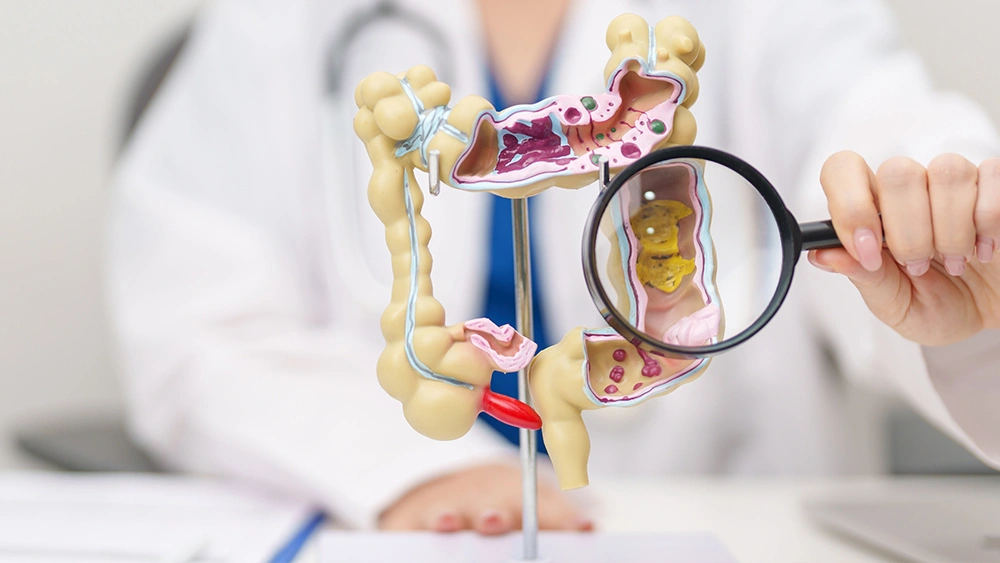
Colorectal cancer is a type of cancer that develops in the colon or rectum, which are parts of the large intestine within the digestive system. It often begins as small growths known as polyps that form on the inner lining of the colon or rectum. While many polyps are benign, some may gradually develop into cancer over time if they are not detected and removed.
Because colorectal cancer can develop slowly and without obvious symptoms in its early stages, many people may not realise they have the condition until it has progressed. This is why awareness of risk factors and regular screening are important. Screening tests, such as colonoscopy, can help detect abnormal growths early and allow them to be treated before cancer develops or spreads further.
What Are the Common Risk Factors for Colorectal Cancer?
Certain factors may increase a person’s risk of developing colorectal cancer. These risk factors can be related to age, genetics, medical history or lifestyle habits. While some of these factors cannot be changed, being aware of them can help individuals understand their level of risk and determine whether they may benefit from earlier or regular colorectal cancer screening. Some of the common risk factors include:
Age
The risk of colorectal cancer increases with age. Most cases are diagnosed in people aged 50 and above, although the disease has been known to occur in younger adults.
Family History of Colorectal Cancer
Individuals with a parent, sibling or close relative who has had colorectal cancer may have a higher risk of developing the condition.
Personal Medical History
A history of colorectal polyps or certain digestive conditions may increase the likelihood of developing colorectal cancer, which is why regular monitoring may be recommended.
Lifestyle Factors
Certain lifestyle habits may also influence risk. These include unhealthy dietary patterns, smoking, obesity and lack of physical activity.
How Do Lifestyle Habits Affect Colorectal Cancer Risk?
Certain lifestyle habits may influence the risk of developing colorectal cancer. While not all risk factors can be controlled, adopting healthier habits may help support overall colorectal health. Some lifestyle factors that may increase the risk include:
Diet high in red or processed meats
Diets low in fibre, fruits and vegetables may be associated with a higher risk of colorectal cancer.
Physical inactivity
A sedentary lifestyle may contribute to increased cancer risk and other health conditions.
Obesity or excess body weight
Being overweight has been linked to a higher likelihood of developing colorectal cancer.
Smoking
Tobacco use is associated with an increased risk of several cancers, including colorectal cancer.
Why Is Colorectal Cancer Screening Important?
Colorectal cancer screening plays an important role in detecting abnormalities early and helping prevent cancer from developing or progressing. In many cases, screening tests can identify changes in the colon or rectum before symptoms appear. Screening may help:
- Detect colorectal cancer at an early stage, when treatment is often more effective.
- Identify abnormal growths in the colon or rectum that may require further evaluation.
- Allow doctors to monitor individuals who may have higher risk factors.
One of the most commonly used screening methods is colonoscopy, which allows a doctor to examine the inside of the colon and rectum using a flexible camera. This procedure helps doctors detect abnormalities and determine whether further treatment or monitoring is needed.
When Should You See a Colorectal Specialist?
It may be advisable to consult a colorectal specialist if you have certain risk factors or notice symptoms that could indicate a digestive problem. Early evaluation can help identify potential issues and determine whether further testing or screening is needed. You may consider seeing a colorectal specialist if you:
- Are aged 50 or older, when the risk of colorectal cancer generally increases.
- Have a family history of colorectal cancer or colorectal polyps.
- Have previously been diagnosed with colorectal polyps or certain digestive conditions.
- Experience persistent digestive symptoms, such as blood in the stool, unexplained weight loss or persistent abdominal pain or discomfort.
Understanding Your Colorectal Cancer Risk with Maven Surgery
Understanding the risk factors for colorectal cancer can help you make more informed decisions about your health. While some risk factors, such as age or family history, cannot be changed, lifestyle choices and regular health checks may play a role in reducing risk.
At Maven Surgery, the clinic focuses on the diagnosis, screening and management of breast and colorectal conditions with an emphasis on personalised care and early detection. Patients are assessed by Dr Chong Chee Keong, a dual-fellowship trained breast and colorectal surgeon with more than 20 years of clinical experience. If you are concerned about your colorectal cancer risk or would like to learn more about screening options such as colonoscopy, schedule a consultation with our specialist for a personalised assessment.
Meet Our Specialist
Dr Chong Chee Keong Breast, Colorectal and General Surgeon MBBS (Singapore), FRCS (Edinburgh), FRCS (Glasgow), FAMS (Singapore) Specialist Accreditation in Intensive Care Medicine Specialists Accreditation Board, Medical Director & Senior Consultant
Dr Chong Chee Keong is a Breast, Colorectal and General Surgeon with over 20 years of clinical experience. Dual-fellowship trained and highly accredited, he founded Maven Surgery with a commitment to elevating the standard of care for breast and colorectal cancers, the two most common cancers affecting women and men.
Dr Chong works closely with multidisciplinary teams of surgical, medical and radiation oncologists and remains actively involved in international cancer conferences to stay at the forefront of advancing techniques. He has a strong focus on minimally invasive surgery, recognising the importance of preserving self-image while maintaining treatment safety and effectiveness.
Frequently Asked Questions About Colorectal Cancer Risks
Is colorectal cancer more common in men or women?
Can colorectal cancer return after treatment?
Can colorectal cancer affect younger adults?
How quickly does colorectal cancer develop?
Can colorectal cancer spread to other parts of the body?
“Your Partner in Every Step of Recovery and Beyond”
For appointments and enquiries, contact us via form below or call us at (+65) 6355 5285
Mount Elizabeth Novena Specialist Centre
38 Irrawaddy Road #06-33,Singapore 329563
Parkway East Medical Centre
319 Joo Chiat Place #02-05,Singapore 427989
Farrer Park Medical Centre
1 Farrer Park Station Rd #15-13,Singapore 217562
Tel : (+65) 6355 5285
Whatsapp : (+65) 6355 5285
Operating Hours: Monday to Friday: 9:00 AM to 5:00 PM Saturday: 9:00 AM to 1:00 PM Closed on Sundays and Public Holidays