


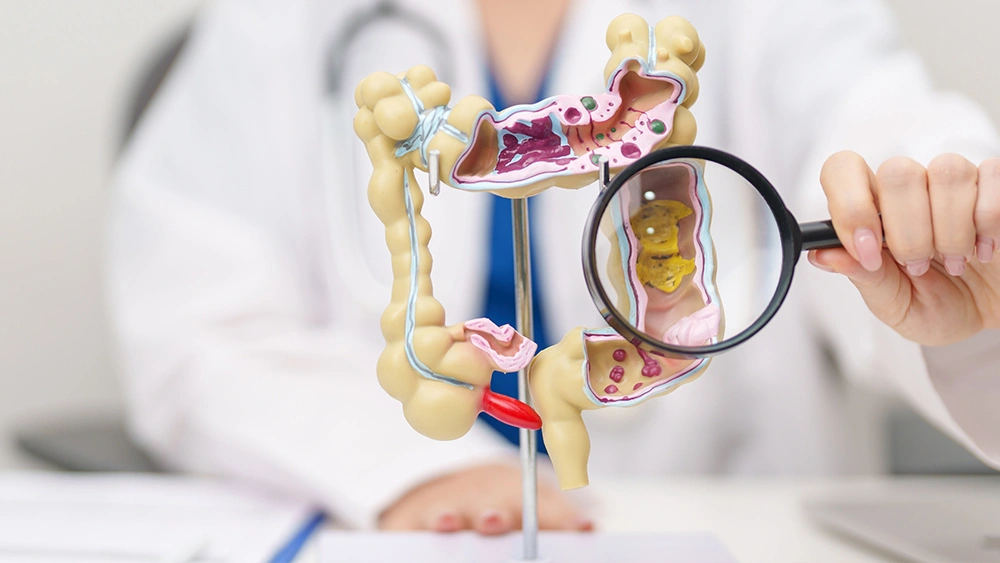
What to Expect from Colorectal Cancer Surgery
Dr Chong Chee Keong
Breast, Colorectal and General Surgeon
MBBS (Singapore), FRCS (Edinburgh), FRCS (Glasgow), FAMS (Singapore)
Specialist Accreditation in Intensive Care Medicine
Specialists Accreditation Board, Medical Director & Senior Consultant
For someone facing colorectal cancer, one of the first questions that may arise is “What will surgery be like?” While the idea of surgery can feel intimidating, understanding the steps involved can help make the experience feel less uncertain. Colorectal cancer surgery is commonly performed to remove the tumour and affected section of the colon or rectum and the exact approach may vary depending on the location and stage of the cancer. Learning what to expect can help patients feel better prepared and more confident as they move forward with treatment.
When Is Colorectal Surgery Recommended?
Surgery is often the primary treatment for colorectal cancer, particularly when the cancer is localised in the colon or rectum. It is typically recommended after diagnostic tests confirm the presence of cancer and determine how far the disease has progressed. The aim of surgery is to remove the tumour along with any affected surrounding tissue while preserving as much normal bowel function as possible.
The most appropriate surgical approach depends on several factors, including:
- Location of the cancer: Whether the tumour is in the colon or rectum can influence the type of surgery performed.
- Stage of the disease: The extent to which the cancer has grown or spread may affect the surgical plan and whether additional treatments are needed.
- Overall health of the patient: The patient’s medical condition and ability to recover from surgery are also important considerations.
A colorectal surgeon will evaluate these factors carefully to recommend the most suitable treatment approach for each patient.
What Are the Different Types of Colorectal Cancer Surgery?
The type of surgery recommended for colorectal cancer depends on factors such as the tumour’s location, size and stage. Common surgical procedures for colorectal cancer include:
Polypectomy
Small cancerous or precancerous polyps may be removed during a colonoscopy before they develop into more advanced cancer.Local excision
Early-stage tumours located near the surface of the colon or rectum may sometimes be removed through the anus without the need for large incisions.Colon or rectal resection
This involves removing the section of the colon or rectum that contains the tumour along with nearby lymph nodes. The remaining healthy ends of the bowel are typically reconnected to restore normal bowel function.Colostomy
In certain situations, a temporary or permanent opening may be created in the abdomen to allow waste to exit the body if the bowel cannot be immediately reconnected.
How to Prepare for Colorectal Cancer Surgery?
Before colorectal cancer surgery, patients typically undergo a thorough medical evaluation to ensure the procedure is safe and appropriate. This assessment helps the surgical team understand the extent of the cancer and plan the most suitable surgical approach.
Preparation may involve several steps, including reviewing your medical history, performing physical examinations and conducting imaging or diagnostic tests. Your surgeon will also explain the procedure, discuss the potential risks and benefits and outline what you can expect during recovery.
Patients may receive instructions before surgery, such as dietary adjustments or bowel preparation, to help ensure the colon is ready for the procedure. Following these guidelines closely can help support a smoother surgical and recovery process.
What Is Recovery After Colorectal Cancer Surgery Like?
Recovery after colorectal cancer surgery varies depending on the type of procedure performed and the patient’s overall health. In the initial days after surgery, patients are closely monitored while the body begins to heal and normal bowel function gradually returns.
During recovery, some discomfort, fatigue or temporary changes in bowel habits are common. Patients are usually encouraged to resume light activities gradually and follow the post-operative care instructions provided by their medical team. Regular follow-up appointments help ensure proper healing and allow the surgeon to monitor recovery progress.
Tips for a Smoother Recovery After Colorectal Surgery
Recovery after colorectal surgery takes time, but following your doctor’s advice and adopting healthy habits can support the healing process. Taking small, gradual steps during recovery can help reduce complications and allow a smoother return to daily activities. Some helpful tips for recovery include:
Follow your post-operative instructions carefully
Your surgeon will provide guidance on wound care, medications and activity restrictions.Gradually increase physical activity
Gentle movement, such as short walks, can help improve circulation and support recovery.Maintain a balanced diet
Eating nutritious foods and staying hydrated can help your body heal and restore energy levels.Avoid heavy lifting or strenuous activity
Allow your body sufficient time to recover before resuming demanding activities.Attend follow-up appointments
Regular check-ups allow your doctor to monitor healing and address any concerns early.
Approach Colorectal Cancer Surgery with Greater Assurance
Colorectal cancer surgery is often a key step in treating the condition and managing its progression. Understanding what to expect before, during and after the procedure can help patients feel more prepared for the journey ahead.
At Maven Surgery, colorectal cancer care is guided by a careful and patient-centred approach, ensuring that each treatment plan is tailored to the individual’s condition and overall health. Dr Chong Chee Keong, a dual-fellowship trained colorectal surgeon with more than 20 years of experience, combines clinical expertise with a thoughtful, personalised approach to help patients understand their surgical options and recovery journey. If you have been diagnosed with colorectal cancer or would like to explore your treatment options, schedule a consultation with our specialist so that we can help you take an informed step toward effective treatment together.
Meet Our Specialist
Dr Chong Chee Keong Breast, Colorectal and General Surgeon MBBS (Singapore), FRCS (Edinburgh), FRCS (Glasgow), FAMS (Singapore) Specialist Accreditation in Intensive Care Medicine Specialists Accreditation Board, Medical Director & Senior Consultant
Dr Chong Chee Keong is a Breast, Colorectal and General Surgeon with over 20 years of clinical experience. Dual-fellowship trained and highly accredited, he founded Maven Surgery with a commitment to elevating the standard of care for breast and colorectal cancers, the two most common cancers affecting women and men.
Dr Chong works closely with multidisciplinary teams of surgical, medical and radiation oncologists and remains actively involved in international cancer conferences to stay at the forefront of advancing techniques. He has a strong focus on minimally invasive surgery, recognising the importance of preserving self-image while maintaining treatment safety and effectiveness.
Frequently Asked Questions About Colorectal Surgery
Can colorectal cancer come back after surgery?
Will I need additional treatment after surgery?
How long will I need to stay in the hospital after surgery?
Is colorectal cancer surgery safe for older patients?
“Your Partner in Every Step of Recovery and Beyond”
For appointments and enquiries, contact us via form below or call us at (+65) 6355 5285
Mount Elizabeth Novena Specialist Centre
38 Irrawaddy Road #06-33,Singapore 329563
Parkway East Medical Centre
319 Joo Chiat Place #02-05,Singapore 427989
Farrer Park Medical Centre
1 Farrer Park Station Rd #15-13,Singapore 217562
Tel : (+65) 6355 5285
Whatsapp : (+65) 6355 5285
Operating Hours: Monday to Friday: 9:00 AM to 5:00 PM Saturday: 9:00 AM to 1:00 PM Closed on Sundays and Public Holidays