

What Are the Risk Factors for Breast Cancer You Should Know?

Dr Chong Chee Keong
Breast, Colorectal and General Surgeon
MBBS (Singapore), FRCS (Edinburgh), FRCS (Glasgow), FAMS (Singapore)
Specialist Accreditation in Intensive Care Medicine
Specialists Accreditation Board, Medical Director & Senior Consultant
Breast cancer does not develop from a single cause. Instead, it is often the result of multiple risk factors accumulating over time. Some risk factors, such as age and genetics, cannot be changed, while others are related to lifestyle, hormonal exposure and long-term health habits. Understanding breast cancer risk factors helps you assess your personal risk profile and take appropriate action through screening and preventive care. Early detection significantly improves treatment options and outcomes.
It is important to note that risk factors increase the likelihood of developing breast cancer, but they are not direct causes. Having one or more risk factors does not mean you will definitely develop breast cancer. Likewise, some individuals diagnosed with breast cancer may have no known risk factors.
Non-Modifiable Risk Factors for Breast Cancer
Some breast cancer risk factors cannot be changed, but understanding them is still important because it helps individuals make informed decisions about screening and follow-up care. These factors are commonly related to genetics, long-term hormonal exposure or personal medical history.
Common non-modifiable risk factors include:
- Age: Breast cancer risk increases with age, with most cases occurring in women over 40.
- Being female: Breast cancer is significantly more common in women due to long-term exposure to hormones such as oestrogen and progesterone.
- Family history: Having a close relative (such as a mother, sister or daughter) with breast or ovarian cancer may increase risk, especially if multiple relatives are affected.
- Genetic mutations (BRCA1/BRCA2): Inherited gene mutations can significantly raise lifetime breast cancer risk and may require earlier or more frequent screening.
- Personal history of breast cancer or abnormal biopsy findings: A previous breast cancer diagnosis or certain abnormal breast conditions may increase the likelihood of developing breast cancer again.
- Dense breast tissue: Dense breasts may slightly increase breast cancer risk and can also make it harder for mammograms to detect lumps or abnormalities.
If you have one or more of these risk factors, it does not mean you will develop breast cancer, but it may be helpful to consult a specialist for a personalised screening plan.
Modifiable Risk Factors for Breast Cancer
While some breast cancer risk factors cannot be changed, there are several lifestyle-related factors that can reduce or manage your risks. Making healthy adjustments may help lower overall risk and also support better long-term well-being. Common modifiable risk factors include:
- Maintaining a healthy weight and staying physically active: Regular exercise and weight control may help regulate hormone levels, particularly after menopause.
- Alcohol intake: Regular alcohol consumption has been linked to a higher risk of breast cancer, so reducing intake may help lower that risk.
- Smoking: Smoking is associated with multiple cancers and may contribute to breast cancer risk, particularly with long-term exposure.
- Hormone replacement therapy (HRT): Certain types of combined oestrogen-progesterone therapy used over prolonged periods may increase breast cancer risk. Discuss risks and benefits carefully with your doctor.
- Diet and long-term lifestyle habits: A balanced diet rich in vegetables, fruits and whole foods, combined with good sleep and stress management, supports overall health and may play a role in reducing cancer risk.
Even small lifestyle changes can make a meaningful difference over time, especially when paired with regular screening and medical guidance.
When Should You Start Breast Cancer Screening?
Knowing your personal breast cancer risk allows you to take proactive steps towards prevention and early detection. If you have a strong family history, genetic risk factors or previous abnormal breast findings, you may need to consider earlier or more frequent screening than the general population. A doctor can recommend a personalised screening plan based on your age, breast tissue density and overall risk profile.
Common screening tests include:
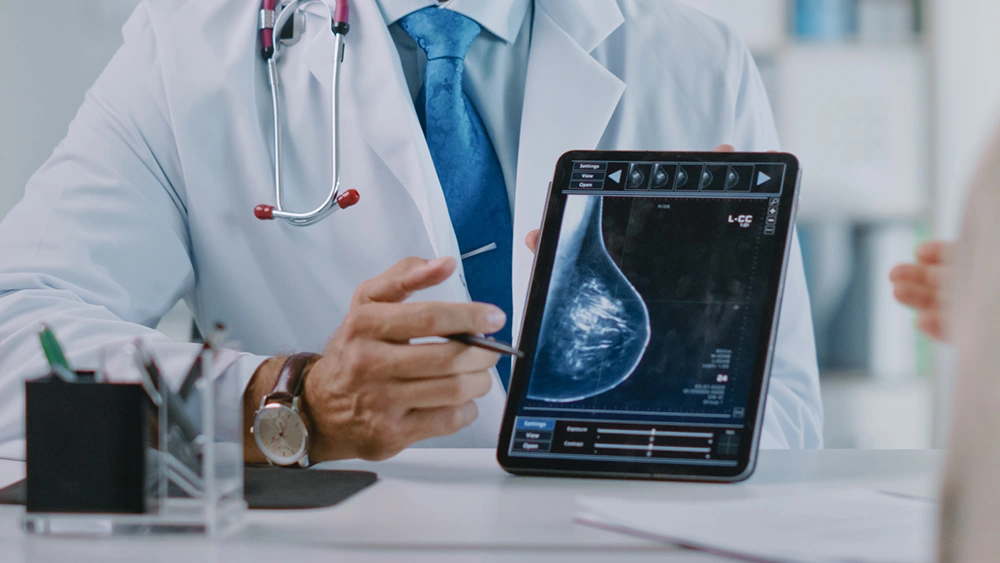
- Mammograms: Commonly used as a routine screening tool to detect early breast changes, especially in women over 40.
- Ultrasound: Often used as a supplementary test, particularly for women with dense breast tissue or to further assess a breast lump.
- MRI scans: May be recommended for selected high-risk individuals, as MRI provides more detailed imaging and can detect abnormalities not easily seen on mammograms.
For individuals at higher risk, earlier or more frequent screening may be advised. In addition, practising breast self-awareness by becoming familiar with your normal breast appearance and feel can help you recognise changes early, such as new lumps, nipple discharge, skin dimpling or persistent pain.
By combining appropriate screening with breast self-awareness and timely medical review, individuals can improve the chances of detecting breast cancer early, when treatment outcomes are often more favourable.
Take Early Action Against Breast Cancer with Maven Surgery
Taking early action is one of the most important steps in protecting your breast health. By understanding your risk factors, attending regular screenings and staying alert to unusual breast changes, you can improve the chances of detecting breast cancer early when treatment outcomes are often more favourable.
At Maven Surgery, we provide dedicated breast assessment and personalised care for patients seeking clarity and early intervention. Led by Dr Chong Chee Keong, a Member of the Singapore Medical Association, our clinic is committed to careful evaluation, accurate diagnosis and clear treatment guidance. If you are concerned about a breast lump or other breast changes, contact us today to arrange for a consultation and take the next step with confidence.
Meet Our Specialist
Dr Chong Chee Keong Breast, Colorectal and General Surgeon MBBS (Singapore), FRCS (Edinburgh), FRCS (Glasgow), FAMS (Singapore) Specialist Accreditation in Intensive Care Medicine Specialists Accreditation Board, Medical Director & Senior Consultant
Dr Chong Chee Keong is a Breast, Colorectal and General Surgeon with over 20 years of clinical experience. Dual-fellowship trained and highly accredited, he founded Maven Surgery with a commitment to elevating the standard of care for breast and colorectal cancers, the two most common cancers affecting women and men.
Dr Chong works closely with multidisciplinary teams of surgical, medical and radiation oncologists and remains actively involved in international cancer conferences to stay at the forefront of advancing techniques. He has a strong focus on minimally invasive surgery, recognising the importance of preserving self-image while maintaining treatment safety and effectiveness.
“Your Partner in Every Step of Recovery and Beyond”
For appointments and enquiries, contact us via form below or call us at (+65) 6355 5285
Mount Elizabeth Novena Specialist Centre
38 Irrawaddy Road #06-33,Singapore 329563
Parkway East Medical Centre
319 Joo Chiat Place #02-05,Singapore 427989
Farrer Park Medical Centre
1 Farrer Park Station Rd #15-13,Singapore 217562
Tel : (+65) 6355 5285
Whatsapp : (+65) 6355 5285
Operating Hours: Monday to Friday: 9:00 AM to 5:00 PM Saturday: 9:00 AM to 1:00 PM Closed on Sundays and Public Holidays