


Removal of Lymph Nodes for Breast Cancer Treatment

Dr Chong Chee Keong
Breast, Colorectal and General Surgeon
MBBS (Singapore), FRCS (Edinburgh), FRCS (Glasgow), FAMS (Singapore)
Specialist Accreditation in Intensive Care Medicine
Specialists Accreditation Board
Lymph node removal is a surgical procedure commonly performed as part of breast cancer management. It plays an important role in understanding how the disease behaves and how best to treat it. Lymph nodes are small structures within the immune system that help filter harmful substances from the body. Because breast cancer can spread through lymphatic channels, examining nearby lymph nodes provides valuable insight into whether cancer cells have travelled beyond the breast.

Why Lymph Node Removal
May Be Recommended
Lymph node removal is not performed routinely but is recommended when clinical findings suggest it is necessary. The main purpose is to assess whether cancer has spread beyond the breast, as lymph nodes are often one of the first areas affected. By examining these nodes, doctors gain a clearer picture of how advanced the disease may be. This information plays an important role in guiding treatment decisions, including whether additional therapies such as chemotherapy or radiotherapy are needed. In certain situations, removing affected lymph nodes may also help reduce the risk of further spread.
Types of Lymph Node Surgery
There are two main approaches to lymph node surgery in breast cancer treatment, each serving a different purpose and involving a different extent of node removal. A sentinel lymph node biopsy involves removing one or a small number of lymph nodes that are most likely to be affected first. If these nodes are found to be cancer-free, further lymph node removal may not be necessary.
In contrast, an axillary lymph node dissection removes a larger group of lymph nodes from the underarm area and is usually recommended only when cancer spread to the lymph nodes is confirmed or strongly suspected. Not all patients require extensive lymph node removal, and decisions are always made based on clinical findings and individual needs.
How the Extent of Lymph Node Removal
Is Determined
The extent of lymph node removal is carefully assessed for each patient rather than following a one-size-fits-all approach. Several factors are considered to ensure surgery is appropriate and tailored to your condition.
- Cancer type and stage: The nature and stage of the cancer strongly influence how many lymph nodes need to be examined. Earlier-stage cancers often require a more limited approach.
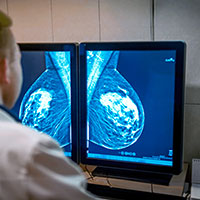
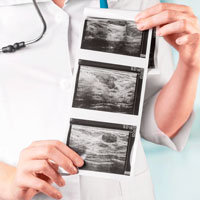
- Imaging and biopsy findings: Scan results and biopsy reports help identify whether lymph nodes appear affected before surgery, guiding the scope of removal.
- Individual patient factors: Overall health, past treatments and natural anatomy are considered to ensure surgery is both safe and effective.
Let us guide you through the process.
Role of Lymph Node Removal
in Cancer Staging
Lymph node findings play a key role in understanding the overall picture of the disease. By examining these nodes, doctors can determine whether cancer cells have moved beyond the breast and how far they may have travelled.
This information is essential for accurate cancer staging. It helps your care team assess outlook and plan treatment with greater precision, ensuring the approach is appropriate for your condition while supporting long-term well-being and quality of life.
How Lymph Node Removal Fits
into Overall Treatment
Lymph node removal is rarely a standalone procedure. It is usually planned as part of a broader, coordinated approach to breast cancer care, where different treatments are carefully aligned to support the best possible outcome.
- Breast surgery: Lymph node findings help guide decisions around the type and extent of breast cancer surgery. This allows surgical care to be aligned with the overall treatment strategy.
- Chemotherapy: Information from lymph node analysis can influence whether chemotherapy is recommended. It helps doctors assess the risk of cancer spread and the potential benefit of additional treatment.
- Radiotherapy: Lymph node involvement may also affect radiotherapy planning, including which areas are treated to reduce the risk of recurrence.
Lymph Node Removal Surgery
at Maven Surgery
Lymph node assessment and removal play an important role in staging and treating certain cancers, including breast and colorectal cancer. At Maven Surgery, lymph node procedures are performed with precision and careful evaluation to ensure accurate diagnosis while minimising unnecessary intervention whenever appropriate.
If lymph node removal has been recommended as part of your treatment plan, arrange a consultation with Dr Chong Chee Keong to better understand the procedure and how it fits into your overall care strategy.
Frequently Asked Questions on
Lymph Node Removal
Is lymph node removal always necessary?
How many lymph nodes are usually removed?
What follow-up is needed after lymph node removal?
Can lymph node surgery be avoided in some cases?
Is lymph node removal performed under general or local anaesthesia?
Our Breast Cancer Surgeon in Singapore
Dr Chong Chee Keong
Breast, Colorectal and General Surgeon
MBBS (Singapore), FRCS (Edinburgh), FRCS (Glasgow), FAMS (Singapore)
Specialist Accreditation in Intensive Care Medicine
Specialists Accreditation Board
Dr. Chong Chee Keong has over two decades of experience in breast cancer treatment, managing patients across diagnosis surgery and long-term follow-up. His approach combines careful surgical planning with clear communication, ensuring patients understand their options and feel supported throughout care. With experience in both breast surgery and related procedures such as lymph node removal, Dr. Chong provides treatment that is tailored to each patient's condition and priorities.
“Dari Diagnosa hingga Pemulihan, Kami Bersama Anda di Setiap Langkah”
Untuk jadwal konsultasi dan pertanyaan, hubungi kami melalui formulir di bawah ini atau hubungi kami di (+65) 6355 5285
Mount Elizabeth Novena Specialist Centre
38 Irrawaddy Road #06-33,Singapura 329563
Parkway East Medical Centre
319 Joo Chiat Place #02-05,Singapura 427989
Farrer Park Medical Centre
1 Farrer Park Station Rd #15-13,Singapura 217562
Telepon : (+65) 6355 5285
Whatsapp : (+65) 6355 5285
Jam Kerja: Senin ke Jumat: 9 pagi – 5 sore Sabtu: 9 pagi – 1 siang Senin dan Hari Libur: Dengan perjanjian